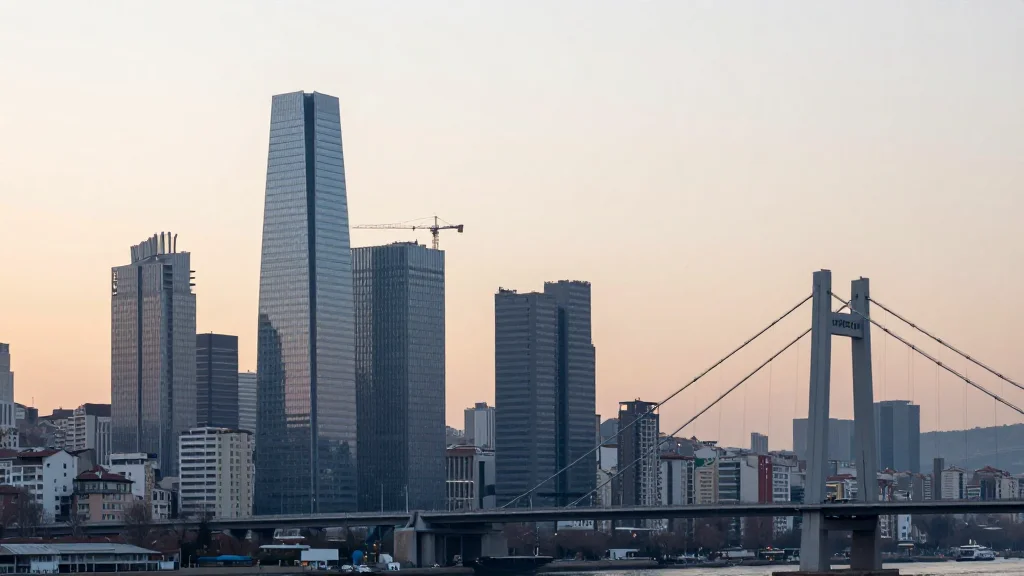
World Bank Announces Major Urban Infrastructure Loan for Turkey

Companies Mentioned
Why It Matters
The loan represents a pivotal infusion of capital into Turkey’s urban fabric, where aging infrastructure hampers economic productivity and quality of life. By modernising transport and utility networks, the project could boost labor mobility, reduce logistics costs, and improve public health outcomes, thereby strengthening Turkey’s competitiveness in the regional market. Beyond Turkey, the World Bank’s commitment may encourage other multilateral lenders to expand their urban‑infrastructure portfolios, addressing a global financing gap estimated at $1.5 trillion annually. Successful execution could demonstrate how blended financing models mitigate risk and attract private investors, offering a template for similar initiatives across emerging economies.
Key Takeaways
- •World Bank announces a large loan to modernise Turkey's urban infrastructure.
- •Funding targets transport, water, and energy networks in major Turkish cities.
- •Loan aligns with World Bank’s strategy to grow its urban‑infrastructure portfolio by 30% by 2030.
- •Project aims to start with pilots in Istanbul and Ankara, with full rollout by 2027.
- •The initiative could set a precedent for multilateral financing of large‑scale urban projects in emerging markets.
Pulse Analysis
The World Bank’s loan to Turkey arrives at a moment when infrastructure bottlenecks are increasingly viewed as a drag on economic growth in emerging markets. Historically, Turkey has relied heavily on domestic financing and bilateral aid for large projects, but the scale of urbanisation now demands deeper pockets and more sophisticated risk‑sharing mechanisms. By offering a sizable, albeit undisclosed, loan, the Bank is effectively betting that Turkey can marshal the institutional capacity needed to manage complex, multi‑year projects.
From a market perspective, the loan could act as a catalyst for private‑sector involvement. Investors often look to multilateral institutions for credit enhancement; a World Bank commitment can lower perceived sovereign risk and improve the credit profile of associated bonds. This could lead to a surge in Euro‑dollar bond issuances by Turkish municipalities, expanding the country’s access to international capital markets. Moreover, the focus on sustainable urban upgrades dovetails with global ESG trends, potentially attracting green‑bond investors seeking climate‑aligned assets.
Looking forward, the success of this loan will hinge on execution. Transparent procurement, robust project monitoring, and clear environmental safeguards are essential to avoid cost overruns and public backlash. If Turkey delivers on the promised upgrades, the World Bank may replicate this model across the Middle East and North Africa, where similar urban challenges exist. Conversely, any missteps could reinforce skepticism about multilateral financing in politically volatile regions, tempering future commitments. The coming months will therefore be a litmus test for the viability of large‑scale, blended‑finance infrastructure strategies in the emerging‑market arena.
World Bank Announces Major Urban Infrastructure Loan for Turkey
Comments
Want to join the conversation?
Loading comments...