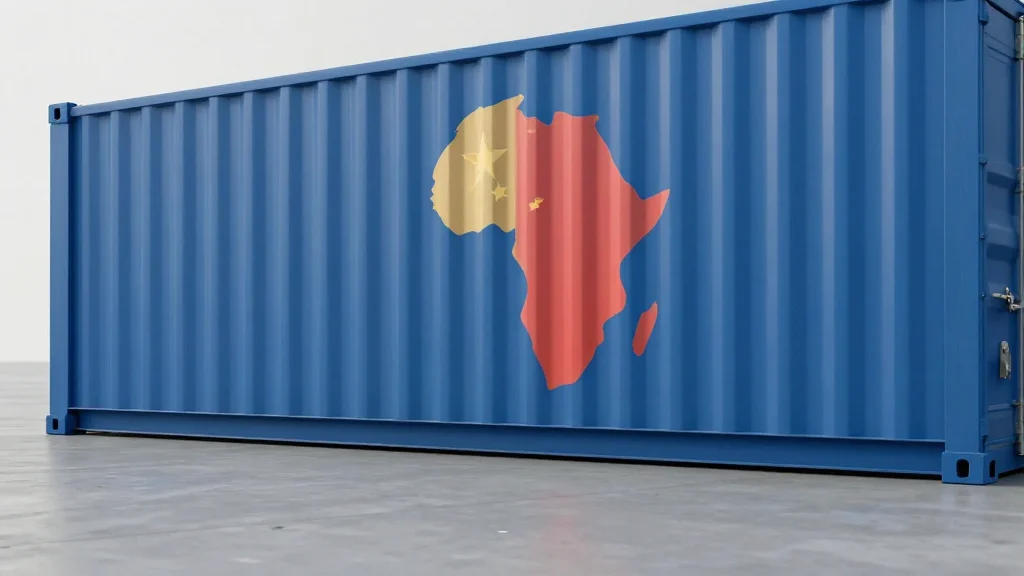
Zero Tariffs, Same Structure: Africa Must Change How It Trades with China
Why It Matters
Zero‑tariff access can improve Africa's export margins, but without upgrading production capacity, standards and financing the trade will stay raw‑material‑centric, limiting the continent’s economic transformation.
Key Takeaways
- •China will grant zero tariffs to 53 African nations from May 2026.
- •African exports to China remain raw‑material heavy, creating a trade deficit.
- •Value‑added regional value chains are essential for sustainable growth.
- •Coordinated continental strategy, not fragmented national plans, will maximize benefits.
- •Trade finance gap of ~$100 bn hampers African SMEs from seizing opportunities.
Pulse Analysis
China’s decision to eliminate tariffs on goods from every African state marks a striking counter‑trend to the protectionist wave sweeping much of the world. The policy, effective May 2026, follows a decade of soaring Africa‑China trade that topped $348 bn in 2025, underscoring Beijing’s desire to cement its market share on the continent. While the move removes a visible cost barrier, analysts note that tariffs have already been low for most African exports, suggesting that the real competitive edge will come from factors beyond price, such as product quality, certification and reliable logistics.
The structural imbalance in the relationship is stark: roughly 70 % of African shipments to China already entered duty‑free, yet 70 % of those shipments consist of raw commodities like oil, copper and cobalt. To break this dependency, the African Continental Free Trade Area (AfCFTA) offers a framework for building cross‑border production corridors that can process, package and add value to these resources. Projections indicate that by 2035 AfCFTA could lift total African exports by 29 % and intra‑African trade by more than 80 %, provided nations align on standards, invest in shared infrastructure, and develop complementary manufacturing niches.
Financing remains the most acute bottleneck. The African Development Bank’s PIDA‑PAP II earmarks $160 bn for regional projects, yet annual trade‑finance needs hover around $100 bn, a gap that disproportionately hurts SMEs. AUDA‑NEPAD positions itself as a catalyst, linking market intelligence with production readiness and courting Chinese partners for technology transfer and pre‑feasibility funding. If African leaders can marshal coordinated policy, regional value‑chain development, and robust trade‑finance mechanisms, the zero‑tariff concession could evolve from a symbolic gesture into a catalyst for genuine industrialisation and a more balanced trade architecture.
Zero tariffs, same structure: Africa must change how it trades with China
Comments
Want to join the conversation?
Loading comments...