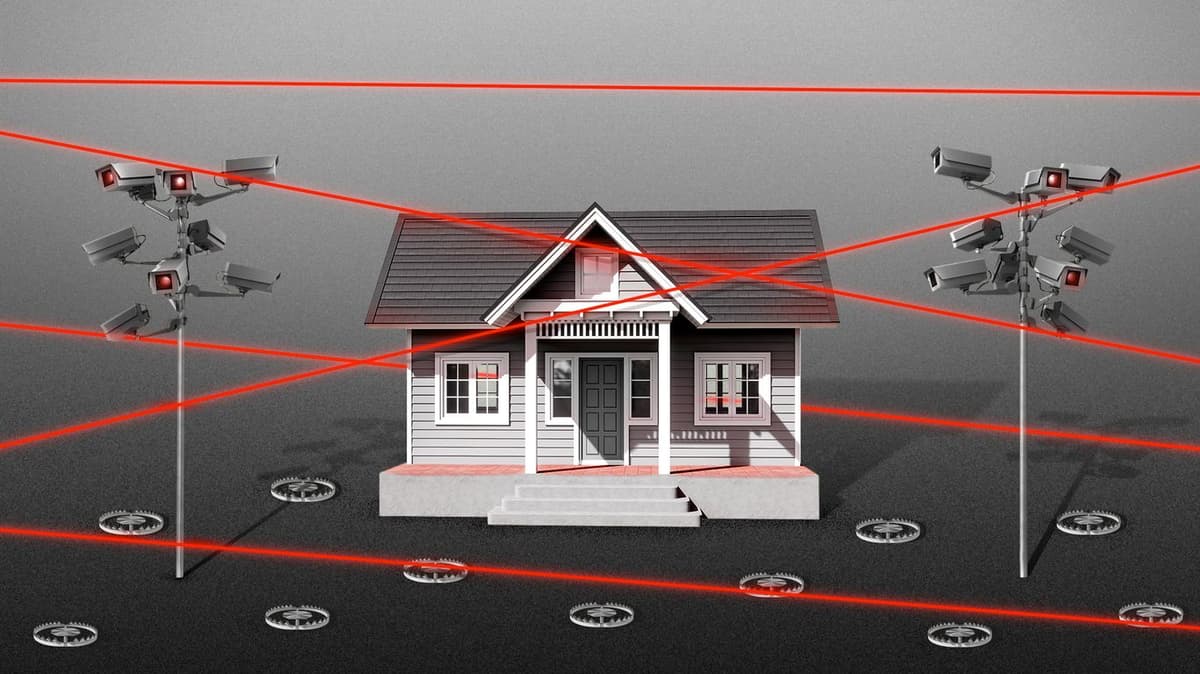
Neighborhood Watch Programs Are Fading in the Age of Ring and Nextdoor
Companies Mentioned
Why It Matters
The transition reshapes public safety by prioritizing technology over neighborly interaction, affecting crime prevention, privacy, and social capital.
Key Takeaways
- •Ring and Nextdoor turn neighborhoods into digital watch zones.
- •Over 600 Ann Arbor watch signs removed, citing profiling concerns.
- •Youth neighbor engagement fell from 51% (2012) to 25% (2026).
- •AI analysis speeds case solving but reduces human intelligence.
- •Apps amplify bias, risking scaled racial profiling.
Pulse Analysis
The decline of classic neighborhood watch programs reflects a broader digital transformation in community policing. Originating in the late 1960s as low‑cost, volunteer‑driven crime deterrence, these programs relied on collective efficacy—neighbors knowing each other well enough to act together. Today, AI‑powered tools such as Ring doorbells and the Nextdoor app automate surveillance, delivering real‑time alerts and searchable video footage. While law‑enforcement agencies can now analyze massive data streams to solve cases faster, the human element that once built trust and local intelligence is fading.
Digital surveillance brings both efficiency and controversy. License‑plate readers and AI‑tagged video clips enable rapid identification of suspects, but they also raise privacy concerns and amplify existing biases. Studies show that posts on Nextdoor often blend legitimate safety tips with racially charged speculation, potentially scaling the profiling that traditional watch signs once sparked. The removal of 600 watch signs in Ann Arbor, after officials deemed them racially divisive, underscores how technology can both mitigate and magnify community tensions.
Beyond policing, the shift impacts social cohesion. A 2012 AEI report noted that 51% of young Americans regularly interacted with neighbors; that figure has plummeted to 25% in 2026, while senior engagement slipped only slightly. As residents retreat behind screens, the informal networks that once facilitated quick, on‑the‑ground responses erode. Policymakers and tech firms must balance the promise of AI‑enhanced safety with the need to preserve neighborhood trust, ensuring that digital tools complement rather than replace the human connections that underpin resilient communities.
Neighborhood watch programs are fading in the age of Ring and Nextdoor
Comments
Want to join the conversation?
Loading comments...