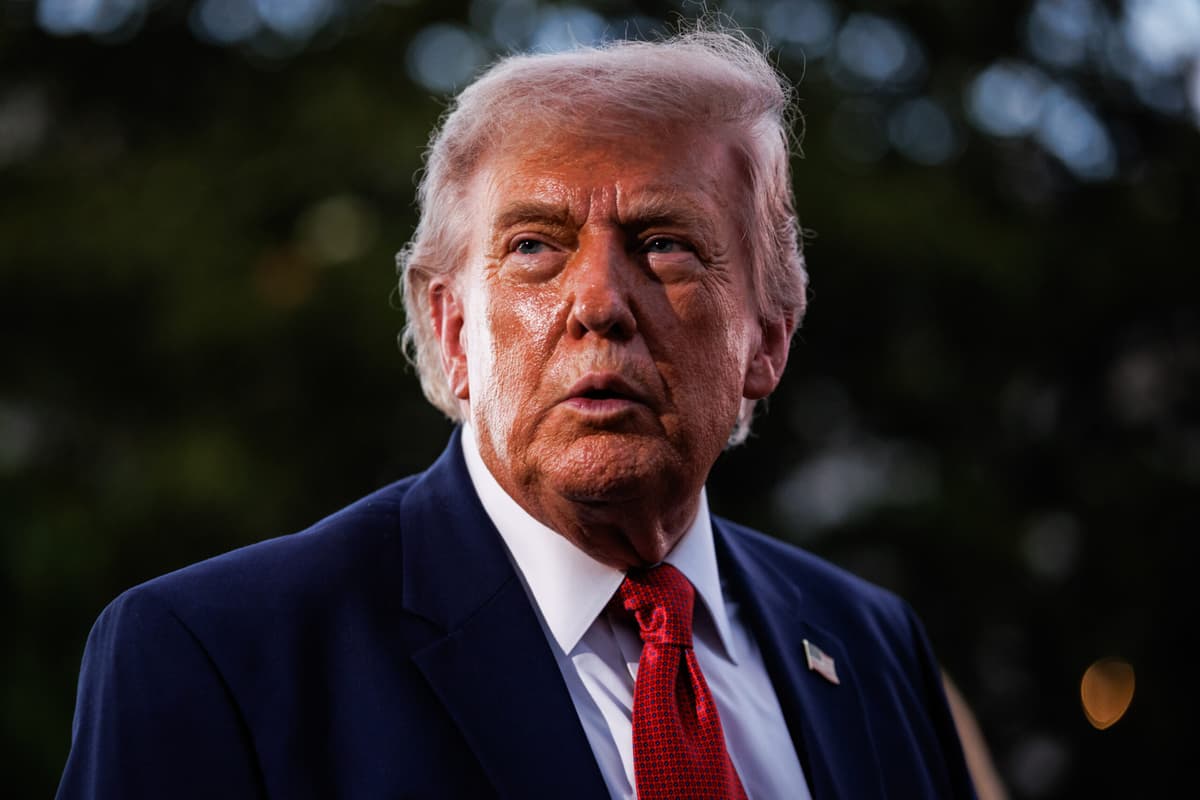
Trump Set to Sign AI Cybersecurity Directive as Soon as Thursday
Companies Mentioned


Why It Matters
By formally integrating AI developers into the nation’s cyber‑defense framework, the order aims to pre‑empt AI‑driven attacks on essential systems and set a precedent for public‑private collaboration on emerging tech risks.
Key Takeaways
- •Executive order expands AI cybersecurity info‑sharing to private AI firms
- •Voluntary government testing of frontier AI models to protect critical infrastructure
- •Anthropic's Mythos model flagged for network vulnerability detection risks
- •Google, Microsoft, xAI agree to share models with Commerce Department
- •OpenAI partners on GPT‑5.5‑Cyber deployment for federal cyber defense
Pulse Analysis
The rapid evolution of generative AI has introduced a new attack surface for cyber‑threat actors, prompting policymakers to reassess traditional defense mechanisms. Anthropic’s Mythos model, which can autonomously discover network flaws, highlighted how advanced AI can be weaponized, raising alarms across the intelligence community. This backdrop has accelerated the administration’s desire to embed AI expertise within existing cybersecurity frameworks, ensuring that emerging threats are identified before they reach adversaries.
The forthcoming executive order does not mandate federal certification of AI models but instead leverages voluntary testing programs already run by the Commerce Department’s Center for AI Standards and Innovation. By extending information‑sharing to AI firms such as OpenAI, Google, Microsoft, and xAI, the government seeks real‑time insights into model capabilities and potential exploits. The directive also encourages agencies to tap frontier systems like Mythos for internal red‑team exercises, creating a feedback loop that strengthens defenses across federal, state, and local networks as well as critical infrastructure sectors.
Industry analysts view the move as a pragmatic balance between innovation and security. While voluntary participation may limit immediate coverage, it signals a willingness to collaborate rather than impose heavyhanded regulation that could stifle AI development. Companies that engage early stand to gain credibility and potential preferential access to government contracts. For the broader market, the order could catalyze a new wave of AI‑driven cybersecurity solutions, prompting investors to watch firms that specialize in model auditing and secure deployment. The policy’s success will hinge on transparent data sharing, clear testing protocols, and sustained commitment from both the public and private sectors.
Trump Set to Sign AI Cybersecurity Directive as Soon as Thursday
Comments
Want to join the conversation?
Loading comments...