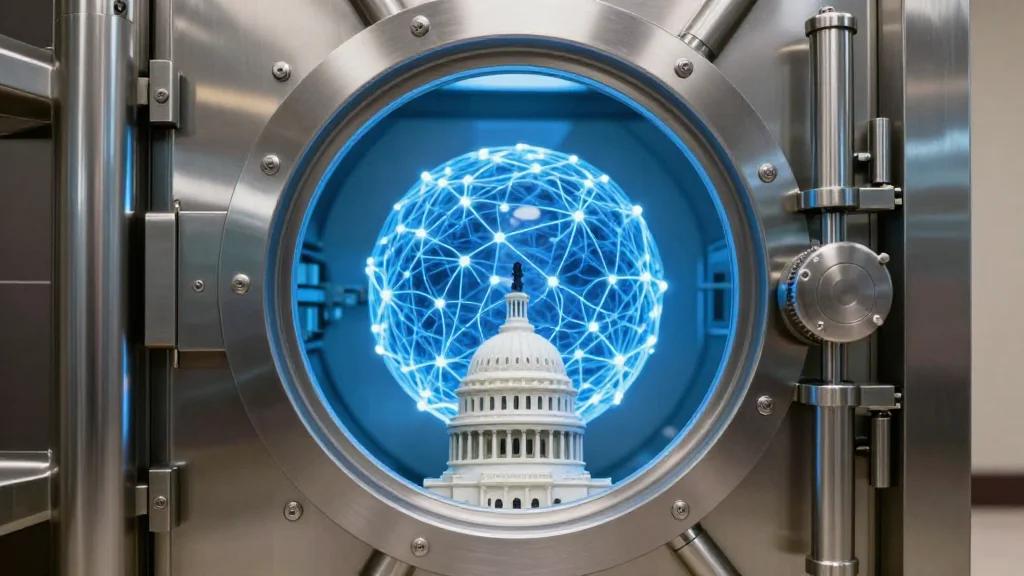
U.S. Agency to Test Frontier AI Models as White House Mulls Safety Executive Order

Companies Mentioned

Why It Matters
The coordinated actions of NIST and the White House signal a paradigm shift in how the United States treats advanced AI systems—moving from a largely hands‑off approach to one that mirrors drug‑approval processes. By instituting pre‑deployment safety checks, the government aims to curb the rapid weaponization of AI, protect critical infrastructure, and preserve public trust in emerging technologies. The outcome will influence not only domestic AI development but also set a benchmark for international regulatory frameworks. Moreover, the initiative could reshape market dynamics. Companies that embed safety into their development cycles may gain a competitive edge, while those that lag could face barriers to market entry. The policy could also spur a new ecosystem of compliance tools, third‑party auditors, and standards bodies, creating economic opportunities alongside heightened security.
Key Takeaways
- •NIST’s Center for AI Standards and Innovation will begin safety‑testing frontier AI models before public release.
- •White House is studying an executive order that would require pre‑deployment review of high‑risk AI, likened to FDA drug approvals.
- •Anthropic’s “Mythos” model demonstrated AI‑driven vulnerability exploitation, prompting heightened security concerns.
- •The executive order could expand NIST’s workload and set a precedent for broader federal AI oversight.
- •Industry stakeholders will have a public comment period to shape the final regulatory framework.
Pulse Analysis
The United States is entering a new regulatory era for artificial intelligence, one that treats cutting‑edge models as products subject to safety certification. Historically, AI governance has relied on voluntary guidelines and sector‑specific rules. By anchoring oversight in NIST—a trusted standards body—the administration leverages existing technical expertise while signaling a long‑term commitment to AI safety. This approach mirrors the FDA model, which has proven effective in balancing innovation with public health safeguards.
From a market perspective, the move could accelerate the emergence of a compliance industry. Vendors that can demonstrate NIST‑certified safety will likely enjoy preferential treatment in government contracts and may find a smoother path to international markets where similar standards are emerging. Conversely, smaller startups may face resource constraints in meeting rigorous testing requirements, potentially consolidating the field around well‑capitalized players.
Internationally, the U.S. stance may pressure allies and rivals to adopt comparable frameworks, fostering a de‑facto global standard. However, the policy’s success hinges on clear, technically sound criteria and transparent processes. Overly burdensome or ambiguous rules could stifle innovation and drive talent offshore. The upcoming public comment period will be a litmus test for whether the administration can balance security imperatives with the need to keep the United States at the forefront of AI research and commercialization.
U.S. Agency to Test Frontier AI Models as White House Mulls Safety Executive Order
Comments
Want to join the conversation?
Loading comments...