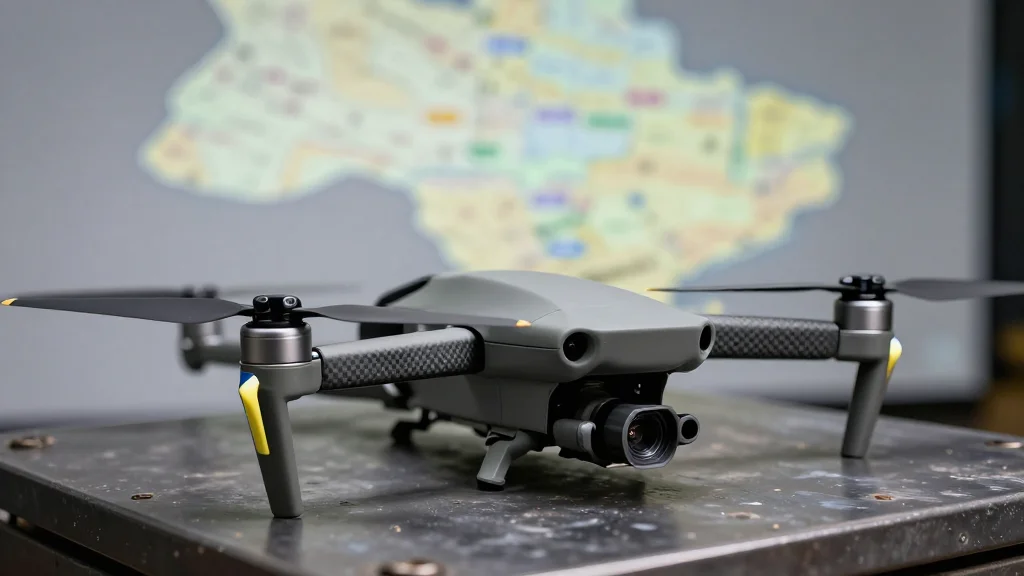
What Ukraine’s Wartime Tech Ecosystem Can Teach the Rest of the World
Why It Matters
The model shows that even the most entrenched bureaucracies can be reshaped to deliver battlefield‑relevant technology, offering a blueprint for NATO allies and other nations seeking faster defense innovation.
Key Takeaways
- •Drone firms grew from 7 to 500+ since Feb 2022.
- •Brave1 cluster now hosts 3,000 companies, 1,000 vetted solutions.
- •Procurement cycles cut from years to weeks, enabling battlefield relevance.
- •AI-powered tools deployed at scale across Ukrainian forces.
- •Continuous gov‑startup dialogue drives rapid iteration and adoption.
Pulse Analysis
Ukraine entered the war with a digital government that was already among the most resilient in Europe, thanks to the Ministry of Digital Transformation’s pre‑conflict reforms. When Russian forces struck in February 2022, that foundation became a crucible for rapid experimentation, forcing ministries to replace legacy procurement with real‑time decision‑making. The result was a cascade of home‑grown solutions, from improvised communications to secure e‑services, that kept essential public functions alive despite missile attacks and power outages.
The most visible transformation has been in the defense‑tech supply chain. Drone manufacturers exploded from a handful to more than 500, while electronic‑warfare firms multiplied to roughly 200. Central to this surge is the Brave1 cluster, a government‑backed marketplace that now hosts over 3,000 companies and validates more than 1,000 solutions for frontline use. Procurement, traditionally a multi‑year process, was compressed into weeks, and continuous feedback loops between soldiers and developers ensured that AI‑driven analytics, autonomous systems, and cyber tools were iterated on the battlefield rather than in distant labs. This agility has turned Ukraine into a living testbed for next‑generation warfare.
For the broader international community, Ukraine’s experience offers concrete lessons. Creative bureaucracy—using work‑arounds and rapid pilots—can bypass institutional inertia. Open markets that let startups compete without state‑picked winners generate a depth of innovation that outpaces traditional defense contracts. Sustained, operational dialogue between government and industry, anchored by a clear defense‑tech champion, ensures that breakthroughs move swiftly from concept to combat. As NATO allies confront similar high‑velocity threats, adopting these practices could shorten acquisition cycles and enhance strategic resilience.
What Ukraine’s wartime tech ecosystem can teach the rest of the world
Comments
Want to join the conversation?
Loading comments...