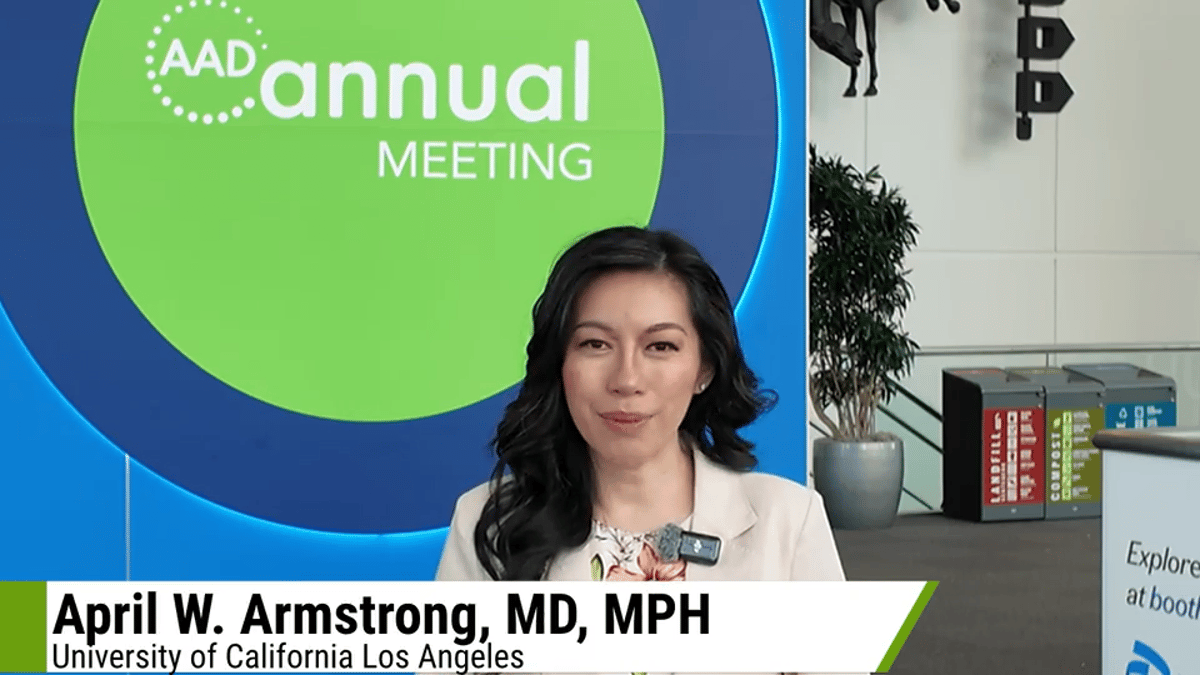
VIDEO: ‘New Era of Oral Therapies’ on Horizon in Psoriasis
Companies Mentioned

Why It Matters
Oral TYK2 inhibitors promise to close the efficacy gap between pills and biologics, expanding treatment options and potentially lowering overall healthcare costs for chronic psoriasis management.
Key Takeaways
- •Zasocitinib and envudeucitinib showed 70% PASI75 at week 24
- •Next‑gen TYK2 inhibitors aim to match biologic efficacy orally
- •Deucravacitinib set precedent; new agents refine specificity and potency
- •Oral TYK2 drugs could reduce need for injectable biologics
- •Phase 3 data presented at AAD meeting signals imminent market entry
Pulse Analysis
Plaque psoriasis affects roughly 125 million people worldwide and remains a costly chronic condition, with patients often cycling through topical agents, phototherapy, and injectable biologics. While biologics deliver high efficacy, their need for subcutaneous administration and monitoring limits accessibility for many. Oral systemic options, such as methotrexate and apremilast, have been less potent, leaving a therapeutic gap. The dermatology community has therefore been eager for an oral drug that can rival biologic outcomes without sacrificing convenience.
Tyrosine kinase 2 (TYK2) inhibition emerged as a promising strategy when Bristol Myers Squibb’s deucravacitinib demonstrated comparable PASI‑75 rates to biologics with a once‑daily pill. Building on that foundation, Takeda’s zasocitinib and Alumis’s envudeucitinib are engineered for greater selectivity and potency, reducing off‑target activity. Phase 3 trials disclosed at the American Academy of Dermatology meeting showed both agents achieving around 70 % PASI‑75 and significant skin clearance by week 24, suggesting they may deliver biologic‑level efficacy in an oral format.
The forthcoming launch of these next‑generation TYK2 inhibitors could reshape the psoriasis market. Payers may favor oral therapies that lower infusion costs and improve adherence, while patients gain a less invasive option. If regulatory approvals proceed as expected, Takeda and Alumis stand to capture a sizable share of the $10 billion global psoriasis treatment market. Moreover, the success of highly selective TYK2 agents may spur further oral drug development across other immune‑mediated diseases, accelerating a broader shift toward convenient, high‑efficacy therapeutics.
VIDEO: ‘New era of oral therapies’ on horizon in psoriasis
Comments
Want to join the conversation?
Loading comments...