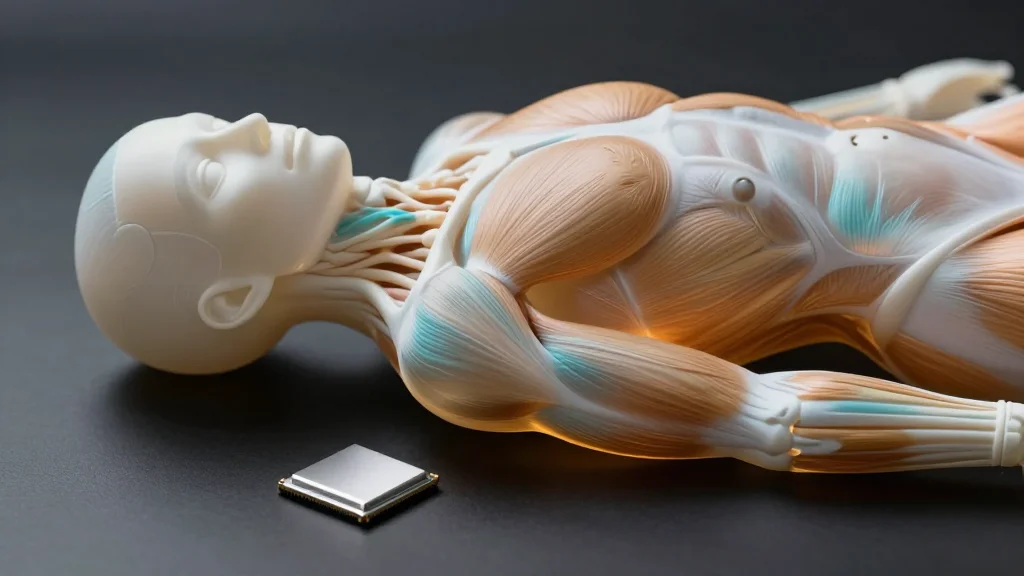
AI Body Composition Tool Predicts Future Health Risks
Key Takeaways
- •AI analyzed 66,608 whole-body MRIs to map body composition
- •Low skeletal muscle linked to 1.44× higher all‑cause mortality
- •High visceral fat raised diabetes risk 2.26‑fold
- •Open‑source z‑score calculator enables clinicians to benchmark scans
- •Tool can repurpose existing CT/MRI data for risk assessment
Pulse Analysis
Body‑composition analysis has long lagged behind simple weight‑based metrics, leaving clinicians with crude tools like BMI that ignore muscle quality and fat distribution. Recent advances in deep‑learning image processing now allow algorithms to extract detailed tissue‑level data from routine scans, turning every CT or MRI into a potential health‑risk assessment. This shift aligns with a broader trend toward data‑rich, precision‑medicine models that leverage existing diagnostic assets rather than requiring new, costly tests.
The Freiburg team applied their AI pipeline to over 66,000 whole‑body MRIs sourced from the UK Biobank and the German National Cohort. By normalising measurements for age, sex and height, they produced z‑score reference curves for subcutaneous, visceral, and intramuscular fat, as well as skeletal‑muscle volume and quality. Statistical modeling revealed that individuals with high visceral fat faced a 2.26‑fold increase in future diabetes, while those with low muscle mass experienced a 1.44‑fold rise in all‑cause mortality. These findings underscore that muscle quality, not just quantity, is a critical, independent health indicator.
Clinically, the open‑source calculator enables providers to overlay a patient’s scan‑derived metrics onto the reference curves, instantly highlighting deviations that signal elevated risk. This capability can be integrated into oncology workflows to predict treatment toxicity, or used by endocrinologists monitoring the effects of GLP‑1 agonists on muscle versus fat loss. As health systems increasingly digitise imaging archives, the tool promises to unlock a hidden layer of prognostic data, driving more nuanced risk stratification and potentially reshaping preventive care pathways. Future validation in disease‑specific cohorts will determine its impact on guidelines and reimbursement models.
AI body composition tool predicts future health risks
Comments
Want to join the conversation?