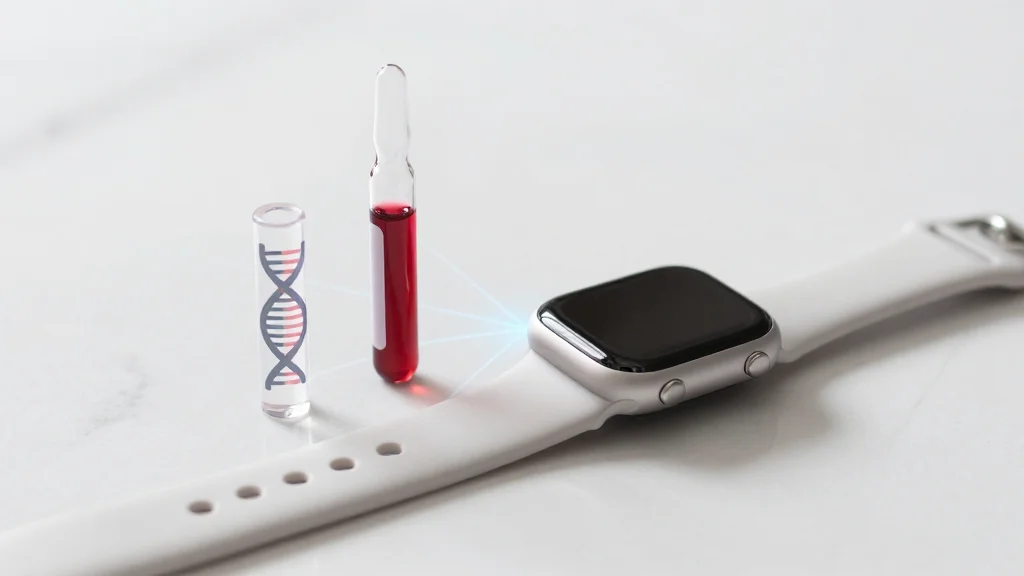
From Symptoms to Prediction: A New Era of Healthcare?
Key Takeaways
- •Longevitix aggregates labs, wearables, notes into unified patient view
- •AI generates physician-ready summaries and personalized intervention plans
- •Platform targets longevity, concierge, functional and preventive medicine clinics
- •Enables scalable, evidence‑based continuous care across disparate data sources
Pulse Analysis
The rapid growth of preventive and longevity medicine has created a data deluge: clinicians must interpret countless biomarkers, continuous wearable streams, and evolving research without a single source of truth. Traditional electronic health records struggle to integrate these heterogeneous inputs, leading to fragmented insights and slower decision‑making. As patients demand proactive, personalized health strategies, the industry faces pressure to develop tools that can synthesize real‑time data into coherent clinical narratives.
Enter Longevitix, an AI‑powered clinical intelligence platform designed to bridge this gap. By ingesting laboratory results, wearable metrics, intake questionnaires, and historical clinical notes, the system generates a consolidated, physician‑ready view of each patient. Advanced algorithms prioritize abnormal findings, suggest evidence‑based interventions, and produce patient‑friendly reports, enabling clinicians to move from reactive symptom treatment to predictive health management. The platform’s focus on boutique care models—longevity clinics, concierge practices, functional medicine, and med‑spas—aligns with a market that values high-touch, data‑driven personalization.
The broader implications are significant. Unified data pipelines can reduce unnecessary testing, improve outcomes, and create new revenue streams through subscription‑based continuous monitoring services. However, adoption hinges on integration with existing EMR systems, data privacy compliance, and clinician trust in AI recommendations. If Longevitix can demonstrate measurable improvements in patient health and operational efficiency, it may set a new standard for AI‑enabled preventive care, prompting larger health networks to follow suit and accelerating the shift toward a predictive, data‑centric healthcare ecosystem.
From symptoms to prediction: A new era of healthcare?
Comments
Want to join the conversation?