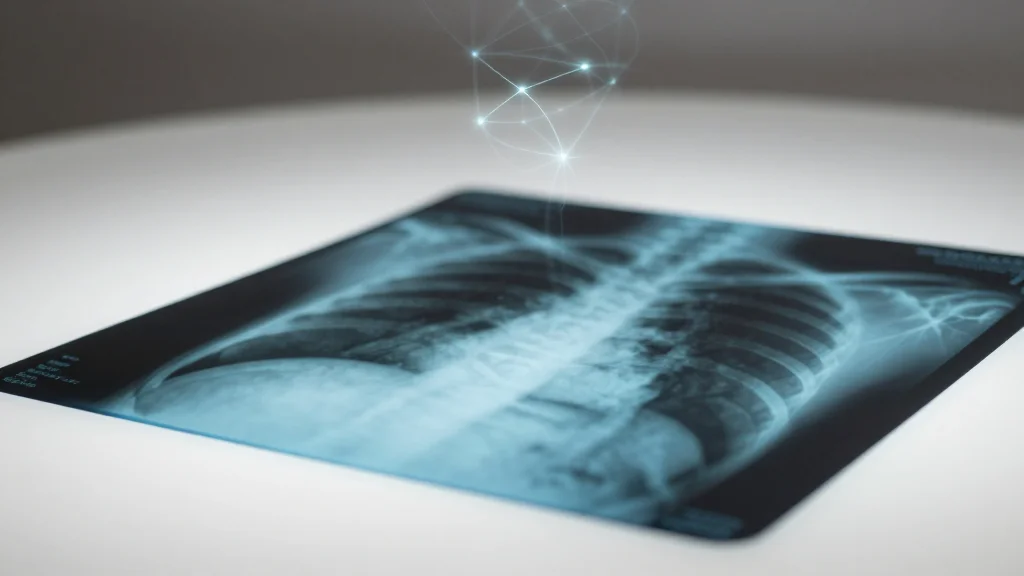
AI Repurposes Routine Chest X-Rays to Catch Silent Bone Loss Before Fracture
Why It Matters
The AI‑driven method expands osteoporosis detection to populations previously excluded from screening, enabling earlier intervention and reducing fracture‑related healthcare costs. Its low‑cost, infrastructure‑light model could reshape preventive care pathways worldwide.
Key Takeaways
- •AI reads chest X-rays to detect osteoporosis risk.
- •Over half of abnormal bone density cases had normal BMI.
- •Method flags men, younger adults missed by current guidelines.
- •Utilizes existing X-ray infrastructure, adding no extra cost.
- •Supports equitable osteoporosis screening across Asian health systems.
Pulse Analysis
Osteoporosis remains a silent threat, with many patients developing fractures before the disease is diagnosed. Traditional screening relies on age, gender, and risk‑factor thresholds, leaving men, younger adults, and normal‑weight individuals largely untested. The recent study from St. Paul’s Hospital and National Taiwan University demonstrates how a deep‑learning algorithm can extract bone‑density signals from chest radiographs—images already captured during routine health checks. By repurposing this ubiquitous data source, the AI model uncovers hidden cases, showing that over 50% of detected abnormalities occur in people with a normal BMI, a demographic routinely overlooked by guideline‑driven DXA referrals.
The implications for health systems are significant. In Taiwan’s National Health Insurance framework, DXA scans are allocated based on strict criteria, creating bottlenecks and inequities. An AI‑augmented chest X‑ray workflow adds no extra imaging cost, leverages existing radiology infrastructure, and can be deployed at scale across hospitals and clinics. Early identification of at‑risk patients enables timely DXA confirmation and therapeutic intervention, potentially reducing fracture incidence and associated expenditures. Moreover, the technology aligns with broader public‑health goals of preventive screening equity, offering a model that other Asian nations with high chest‑X‑ray utilization could adopt.
Looking ahead, integration of AI‑derived bone‑density assessments into electronic health records could automate referral pathways, prompting clinicians to order confirmatory DXA tests only when the algorithm signals elevated risk. Regulatory acceptance and prospective validation in diverse populations will be critical to ensure accuracy and mitigate bias. Nonetheless, the convergence of AI, existing imaging assets, and preventive health policy positions this innovation as a catalyst for a new era of cost‑effective, population‑wide osteoporosis screening, with potential spill‑over benefits for other opportunistic disease detections.
AI repurposes routine chest X-rays to catch silent bone loss before fracture
Comments
Want to join the conversation?
Loading comments...