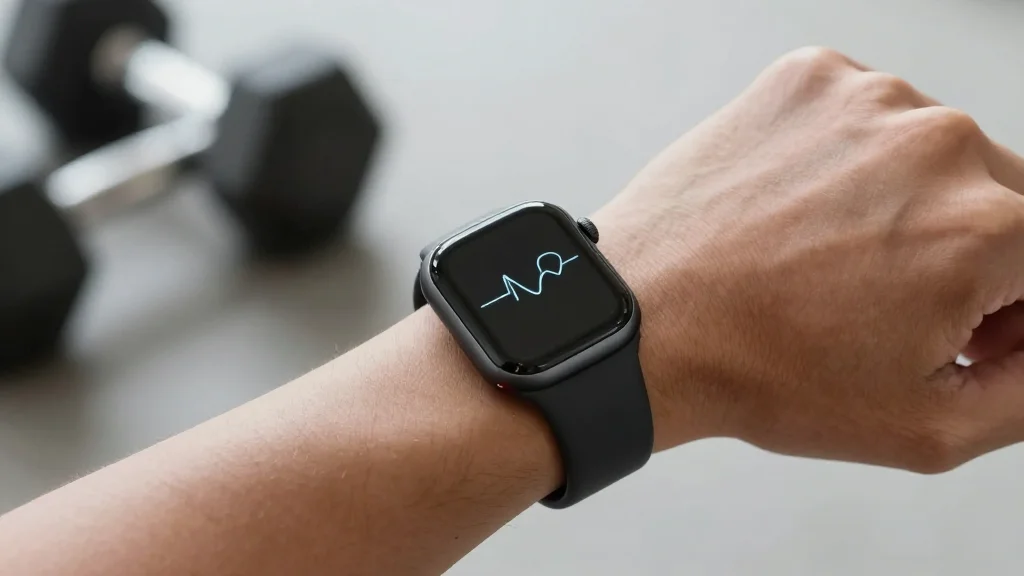
Amazfit Bip 6 Beats $249 Apple Watch SE 3 in Health Tracking Tests

Companies Mentioned
Why It Matters
The test highlights a shift in consumer expectations: reliable health data is no longer exclusive to high‑priced smartwatches. Affordable devices like the Amazfit Bip 6 can democratize access to continuous health monitoring, potentially expanding the data pool for public health research and employer‑sponsored wellness initiatives. If low‑cost wearables continue to close the feature gap, insurers may increasingly reimburse or subsidize such devices, accelerating adoption among populations that previously found premium wearables unaffordable. This could reshape revenue models for both hardware manufacturers and health‑tech service providers.
Key Takeaways
- •Amazfit Bip 6 priced at $79 versus Apple Watch SE 3 at $249
- •Bip 6 includes SpO₂ sensor; SE 3 does not
- •Battery life: up to 14 days on Bip 6 vs ~18 hours on SE 3
- •Display brightness: 2,000 nits on Bip 6 vs 1,000 nits on SE 3
- •Bip 6 tracks 140+ activity types, SE 3 tracks standard workouts
Pulse Analysis
The Amazfit versus Apple showdown illustrates a broader inflection point in the wearable market. Historically, health‑focused wearables have been dominated by premium players whose pricing reflected both hardware sophistication and ecosystem lock‑in. However, the Bip 6’s ability to deliver comparable—or in some cases superior—health metrics at a fraction of the cost signals that manufacturers can achieve economies of scale without sacrificing core sensor quality.
From a strategic perspective, Apple’s advantage now lies less in raw sensor count and more in software integration, app availability, and brand loyalty. For health‑tech investors, the takeaway is clear: funding rounds should prioritize companies that can bundle essential health sensors with long battery life and open‑platform compatibility.
Looking forward, we anticipate a two‑track evolution. Premium brands will double down on AI‑driven health insights, leveraging their data ecosystems to offer predictive analytics and telehealth integration. Simultaneously, budget manufacturers will focus on expanding sensor suites and improving data accuracy to meet regulatory thresholds for medical‑grade use. The convergence of these tracks could produce a hybrid market where consumers choose devices based on ecosystem preference rather than pure hardware capability, reshaping distribution channels and partnership models across the health‑tech landscape.
Amazfit Bip 6 Beats $249 Apple Watch SE 3 in Health Tracking Tests
Comments
Want to join the conversation?
Loading comments...