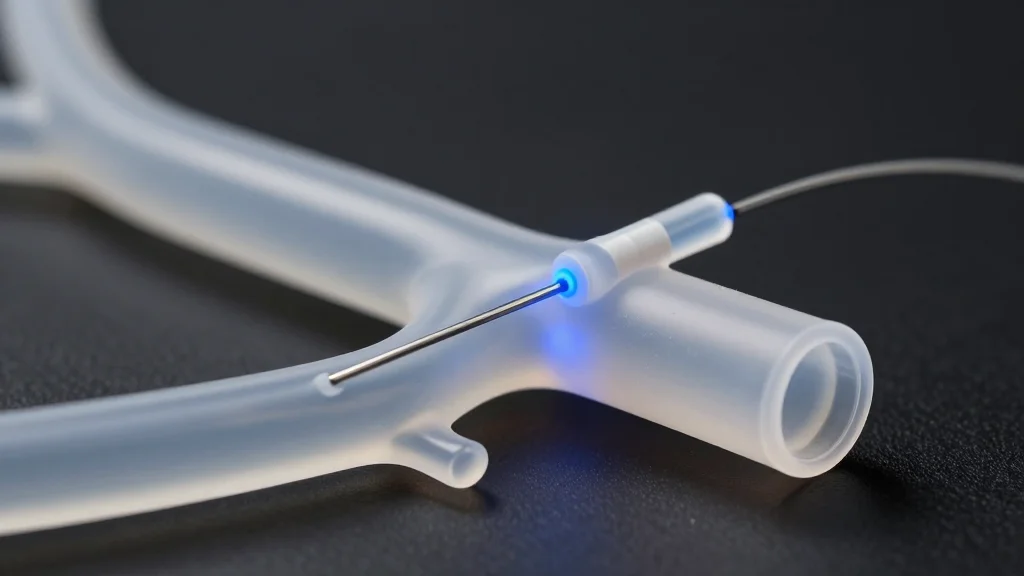
Conavi Medical Secures FDA Clearance for Hybrid IVUS‑OCT Imaging System

Why It Matters
The FDA clearance signals a pivotal shift toward integrated intravascular imaging, a field traditionally divided between ultrasound and optical technologies. By merging IVUS and OCT, Conavi’s system could provide clinicians with a more complete picture of arterial disease, potentially improving decision‑making for stent placement and lesion treatment. This advancement may also accelerate the adoption of precision cardiology, where detailed vessel characterization guides personalized therapeutic strategies. Beyond clinical impact, the clearance underscores the growing appetite among regulators and investors for hybrid medical devices that consolidate functionality while maintaining safety standards. Successful market uptake could encourage other innovators to pursue multi‑modality platforms, spurring competition and driving down costs across the cardiovascular imaging market.
Key Takeaways
- •FDA clears Conavi Medical’s hybrid IVUS‑OCT intravascular imaging system
- •Device delivers simultaneous, co‑registered imaging in a single pullback
- •Includes lesion and stent analysis tools that integrate data from both modalities
- •Limited U.S. market release planned for select centers in H2 2026
- •Hybrid platform aims to streamline procedures and improve diagnostic accuracy
Pulse Analysis
Conavi’s FDA clearance arrives at a moment when cardiovascular imaging is under pressure to deliver more data with less procedural burden. Historically, IVUS has been prized for its depth penetration, while OCT offers micron‑scale resolution of the lumen surface. Clinicians have had to choose between the two or perform sequential scans, increasing procedure time and cost. By unifying these modalities, Conavi not only addresses a technical gap but also aligns with a broader industry trend toward workflow consolidation.
From a market perspective, the clearance could catalyze a re‑evaluation of existing imaging contracts. Large health systems that have invested heavily in standalone IVUS or OCT platforms may face pressure to adopt hybrid solutions to stay competitive. However, adoption will hinge on reimbursement pathways; insurers will need convincing evidence that the combined technology reduces downstream costs, such as repeat revascularizations. Early adopters in academic centers will likely generate the data needed to shape payer policies.
Looking ahead, Conavi’s roadmap suggests an ambition to extend hybrid imaging beyond coronary arteries into peripheral and neurovascular territories. If the company can replicate its regulatory success and demonstrate clear clinical benefits, it may set a new standard for intravascular diagnostics. Competitors will be forced to either develop their own hybrid systems or partner with technology firms to integrate complementary modalities, potentially reshaping the competitive landscape of cardiovascular imaging for the next decade.
Conavi Medical Secures FDA Clearance for Hybrid IVUS‑OCT Imaging System
Comments
Want to join the conversation?
Loading comments...