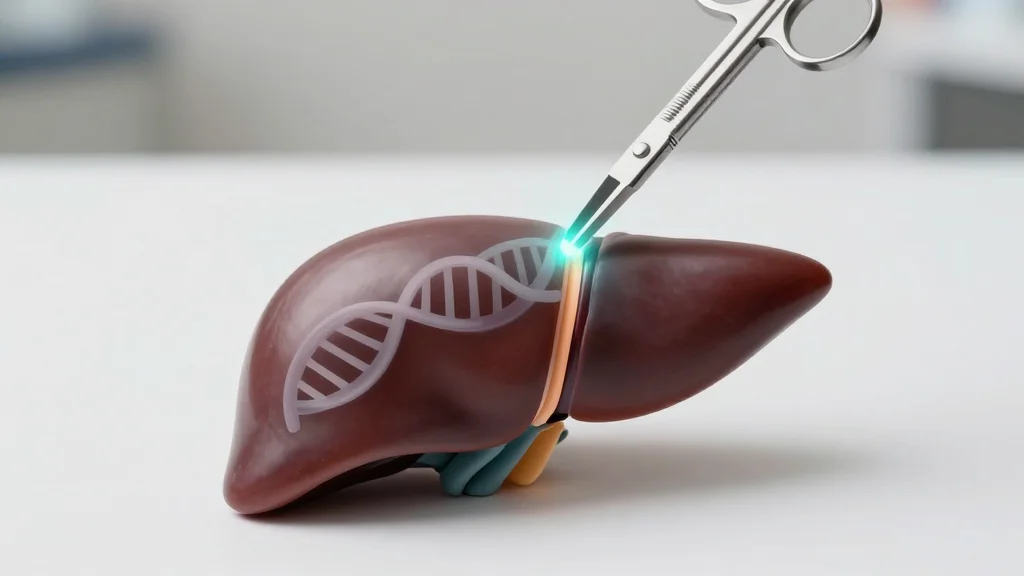
CRISPR Therapeutics' One‑Time Gene Edit Cuts LDL by 49% in Early Trial

Companies Mentioned
Why It Matters
A durable, one‑time gene‑editing solution could eliminate the need for lifelong medication, improving adherence and reducing cumulative drug costs. By targeting the genetic root of hypercholesterolemia, the therapy promises a preventive approach that could lower the incidence of heart attacks and strokes, reshaping public‑health strategies for cardiovascular disease. Moreover, successful commercialization would validate CRISPR as a therapeutic platform beyond rare diseases, accelerating investment in genome‑editing pipelines across the biotech sector. The breakthrough also forces regulators, insurers, and clinicians to confront ethical and safety considerations unique to permanent genome modifications. Establishing robust long‑term monitoring frameworks will be essential to maintain public trust and to ensure that the promise of a single‑dose cure does not outpace evidence of safety.
Key Takeaways
- •Highest dose reduced LDL cholesterol by 49% and triglycerides by 55% in a 15‑patient trial
- •Therapy targets ANGPTL3, a liver gene that blocks lipid clearance
- •Study published in the New England Journal of Medicine, November 2024
- •CRISPR Therapeutics funded the trial; stock rose 7% on the news
- •Larger multi‑center trial to begin Q4 2026, with results expected late 2027
Pulse Analysis
The LDL‑49% result marks the first time a permanent, in‑vivo CRISPR edit has shown clinically meaningful lipid reduction in humans. Historically, CRISPR’s commercial narrative has been dominated by ex‑vivo therapies for rare blood disorders; this trial flips the script, positioning the technology for common, high‑prevalence conditions. The competitive landscape now includes not only traditional small‑molecule statins but also next‑generation biologics like alirocumab and evolocumab, which command premium pricing but require biannual injections. A one‑time gene edit could render those recurring revenue streams obsolete, prompting incumbent pharma to either acquire CRISPR assets or double down on alternative pathways such as RNA‑based silencing.
From a market‑entry perspective, the modest trial size is both a strength and a liability. The dramatic LDL drop creates a compelling proof‑of‑concept that can attract partnership dollars, yet regulators will demand extensive safety data to mitigate concerns about off‑target effects and immune reactions. The upcoming larger trial will be the decisive inflection point; a clean safety profile could unlock Breakthrough Therapy designation, fast‑track approval, and a premium launch price. Conversely, any adverse events could stall the entire gene‑editing lipid market, reinforcing skepticism that has lingered since early CRISPR attempts in 2021.
Strategically, the therapy could catalyze a shift toward precision preventive cardiology. Physicians may begin to screen high‑risk families for ANGPTL3 or PCSK9 variants and offer gene editing as a first‑line intervention, moving the treatment paradigm from reactive to proactive. This shift would have ripple effects on diagnostic testing, insurance underwriting, and even lifestyle counseling, as the notion of a permanent genetic fix becomes mainstream. The next 12‑18 months will therefore determine whether CRISPR Therapeutics moves from a scientific curiosity to a market‑changing reality.
CRISPR Therapeutics' One‑Time Gene Edit Cuts LDL by 49% in Early Trial
Comments
Want to join the conversation?
Loading comments...