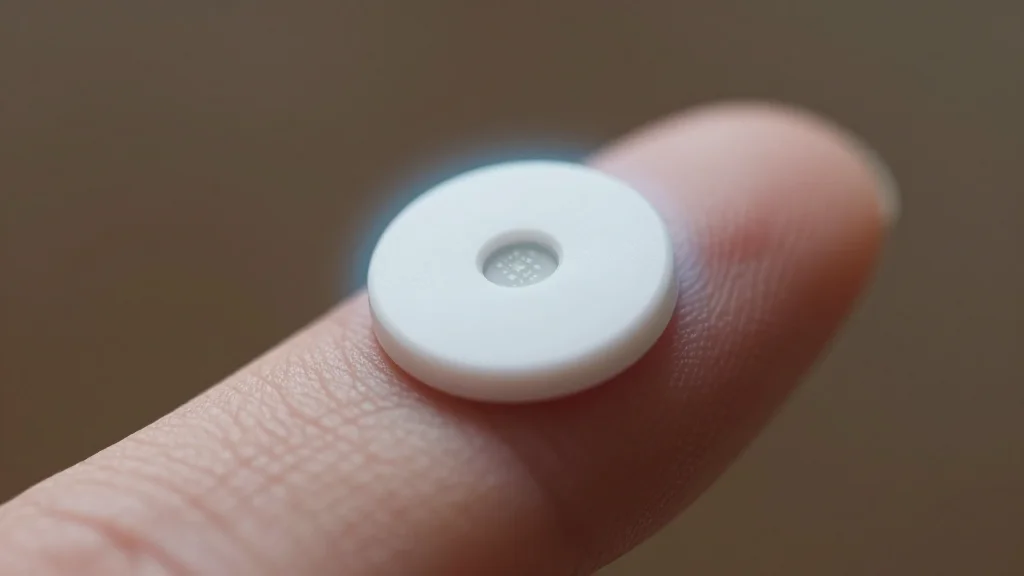
Dexcom Unveils G8 CGM, a 50% Smaller Sensor Set for 2027 Launch

Companies Mentioned
Why It Matters
The G8’s launch could reshape remote diabetes management by delivering a less obtrusive, more accurate sensor that adapts to individual physiology. If the device lives up to its promises, clinicians may rely on continuous data streams to fine‑tune insulin therapy, reducing emergency visits and improving quality of life. Beyond glucose, Dexcom’s pursuit of ketone sensing signals a broader industry shift toward multi‑analyte wearables that address the full metabolic profile of patients. Success in this arena would set a new benchmark for health‑tech companies, prompting faster innovation cycles and potentially spurring insurance coverage expansions for advanced monitoring solutions.
Key Takeaways
- •Dexcom’s G8 sensor is 50% smaller than the G7
- •Built on a new silicon‑chip design with adaptive algorithms
- •Baseline wear time set at 15 days, matching G7 rollout
- •Regulatory submissions planned for 2027, launch targeted for late 2027/early 2028
- •Multi‑analyte version in development to add ketone measurement
Pulse Analysis
Dexcom’s G8 represents a strategic pivot from incremental upgrades to a platform‑level overhaul. By shrinking the sensor’s form factor, the company addresses a long‑standing barrier to adoption—device visibility—while the adaptive algorithm tackles variability in interstitial fluid readings that have plagued earlier CGM generations. This dual focus on hardware and software could translate into higher data reliability, a critical factor for clinicians who have been cautious about over‑reliance on CGM data for insulin dosing decisions.
The timing of the G8 launch aligns with a broader surge in remote patient monitoring investments, as payers and providers seek tools that can reduce hospital readmissions and support value‑based care models. Dexcom’s move to embed multi‑analyte capabilities, even if delayed, signals an intent to capture emerging market segments such as keto‑diet monitoring and broader metabolic health tracking. Competitors like Abbott are racing to introduce dual‑sensor devices, suggesting a forthcoming arms race in sensor sophistication that could compress product cycles and drive down costs.
If Dexcom secures regulatory clearance on schedule, the company stands to solidify its leadership in the CGM market, which currently commands a valuation exceeding $30 billion globally. However, the success of the G8 will hinge on real‑world performance data and payer reimbursement decisions. A positive clinical signal could accelerate adoption across both Type 1 and Type 2 diabetes populations, while any setbacks in accuracy or user experience could open a window for rivals to capture market share. The next 12‑18 months will be decisive for Dexcom’s ambition to turn the G8 into a cornerstone of the next generation of digital diabetes care.
Dexcom Unveils G8 CGM, a 50% Smaller Sensor Set for 2027 Launch
Comments
Want to join the conversation?
Loading comments...