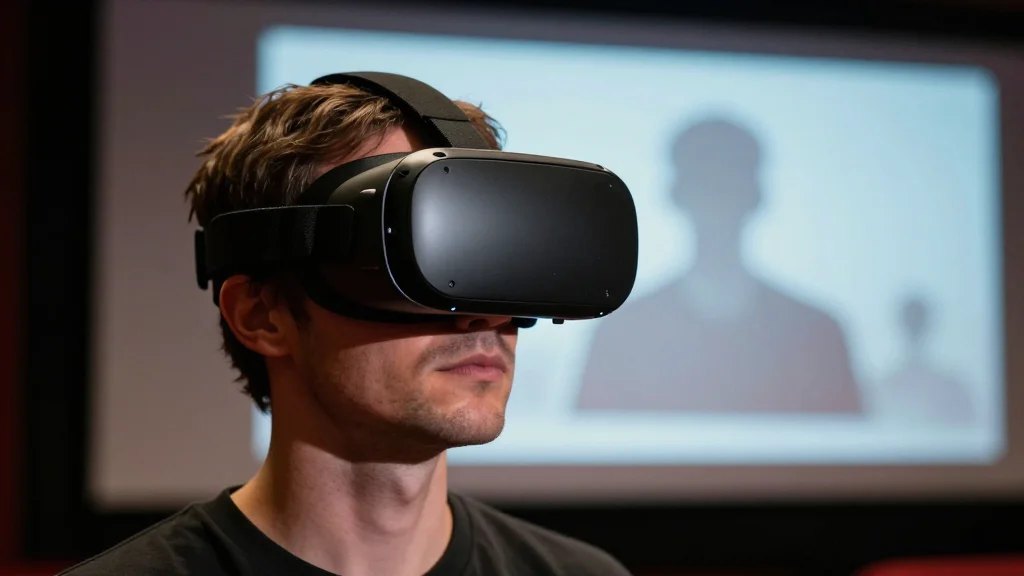
How Virtual Reality Therapy Could Change the Way Mental Disorders Are Treated
Why It Matters
VR‑based exposure can accelerate treatment outcomes for anxiety disorders, opening a scalable, data‑driven pathway for mental‑health providers to reach patients who otherwise avoid therapy.
Key Takeaways
- •VR enables controlled exposure to anxiety triggers in therapy
- •Studies show VR improves outcomes for phobias, PTSD, social anxiety
- •Equipment cost and therapist training remain barriers to adoption
- •Evidence for depression and addiction treatment with VR is limited
- •Hybrid therapy models combine VR with traditional face-to-face sessions
Pulse Analysis
Virtual reality is reshaping exposure therapy by delivering immersive, repeatable environments that mimic real‑world stressors without the logistical hurdles of arranging actual flights or public‑speaking events. Clinicians can adjust stimulus intensity in real time, monitor physiological responses, and safely guide patients through graded exposure, which research shows reduces avoidance behaviors and accelerates habituation. This precision aligns well with the core principles of cognitive‑behavioral therapy, making VR a compelling tool for treating specific anxiety disorders such as phobias, post‑traumatic stress, and social anxiety.
Despite its promise, widespread implementation faces practical obstacles. High‑end headsets and specialized software can cost several thousand dollars per clinic, and many providers lack the technical expertise to integrate VR into existing treatment protocols. Training programs are emerging, but the learning curve remains steep, and insurers are still evaluating reimbursement models for digital therapeutics. Moreover, side effects like motion sickness can limit suitability for certain patients, underscoring the need for careful screening and session customization.
Looking ahead, the most viable path appears to be a hybrid care model that blends traditional therapist‑led sessions with VR‑augmented modules. Such an approach leverages the emotional engagement of virtual environments while preserving the relational depth of face‑to‑face interaction. Ongoing research is expanding beyond anxiety to explore VR’s role in depression, addiction, and skill‑building for daily life challenges. As hardware prices decline and evidence bases grow, VR is poised to become a mainstream component of mental‑health treatment portfolios, offering scalable, data‑rich interventions that can reach underserved populations.
How virtual reality therapy could change the way mental disorders are treated
Comments
Want to join the conversation?
Loading comments...