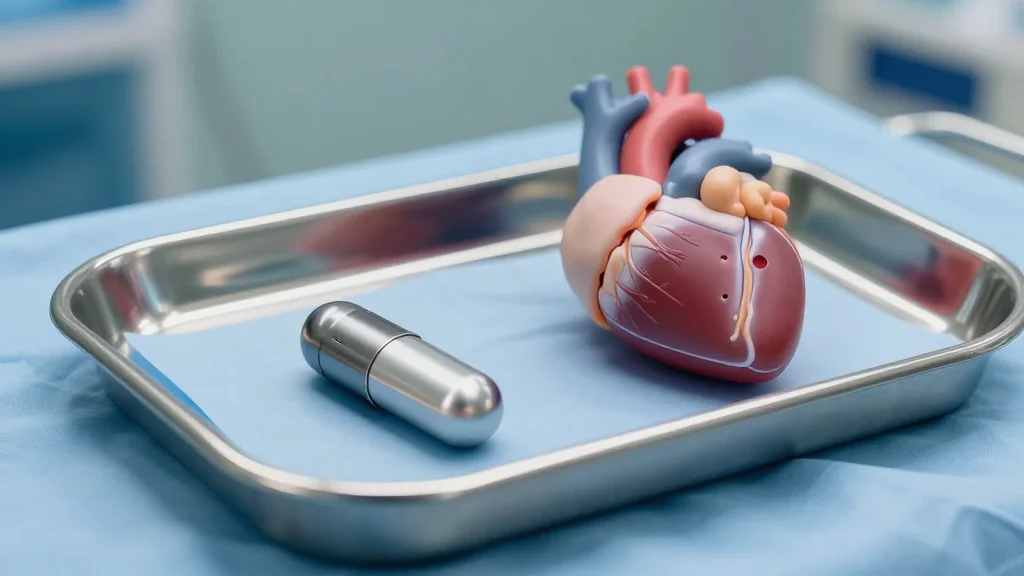
Leadless, Dual-Chamber Pacemakers for NB Patients
Companies Mentioned
Why It Matters
Leadless dual‑chamber pacing offers a less invasive, lower‑complication alternative for a growing segment of cardiac patients, positioning New Brunswick as a regional leader in advanced cardiac care.
Key Takeaways
- •Abbott's AVEIR DR is the first dual‑chamber leadless pacemaker in Canada
- •Device size equals a AA battery, implanted via leg vein
- •Two independent units communicate wirelessly to synchronize atrial and ventricular pacing
- •Eliminates leads, reducing infection risk and visible scarring
- •NB Heart Centre expects 5‑10 procedures annually, expanding leadless options
Pulse Analysis
The introduction of Abbott’s AVEIR DR dual‑chamber leadless pacemaker marks a pivotal shift in cardiac rhythm management. While single‑chamber leadless devices have been available for several years, the ability to coordinate atrial and ventricular pacing without any trans‑venous leads was previously unattainable. By housing two miniature units—each roughly the size of a AA battery—inside the heart chambers, the system delivers therapy that more closely mirrors the heart’s intrinsic electrical pattern, a critical factor for patients with atrioventricular block or heart‑failure‑related bradycardia.
For clinicians at Horizon’s New Brunswick Heart Centre, the technology translates into tangible procedural benefits. Implantation occurs through a small puncture in a leg vein, avoiding the chest incision and sub‑cutaneous pocket required for conventional pacemakers. This minimally invasive approach reduces procedural time, shortens hospital stays, and most importantly, mitigates the risk of lead‑related infections—a leading cause of pacemaker revisions. Early adopters, including Dr. Bassel Lakkis, anticipate improved patient comfort and quality of life, with fewer follow‑up interventions and a lower likelihood of visible scarring.
Industry‑wide, Abbott’s i2i communication platform positions the company at the forefront of leadless pacing innovation. As the global cardiac rhythm management market expands—projected to exceed $10 billion by 2030—leadless dual‑chamber solutions could capture a significant share, especially in aging populations where infection risk is a major concern. Canada’s adoption, beginning with New Brunswick’s pilot program, may accelerate regulatory approvals and reimbursement pathways, encouraging other provinces and U.S. centers to follow suit. The rollout underscores a broader trend toward minimally invasive cardiac therapies that prioritize patient‑centred outcomes while driving growth for device manufacturers.
Leadless, dual-chamber pacemakers for NB patients
Comments
Want to join the conversation?
Loading comments...