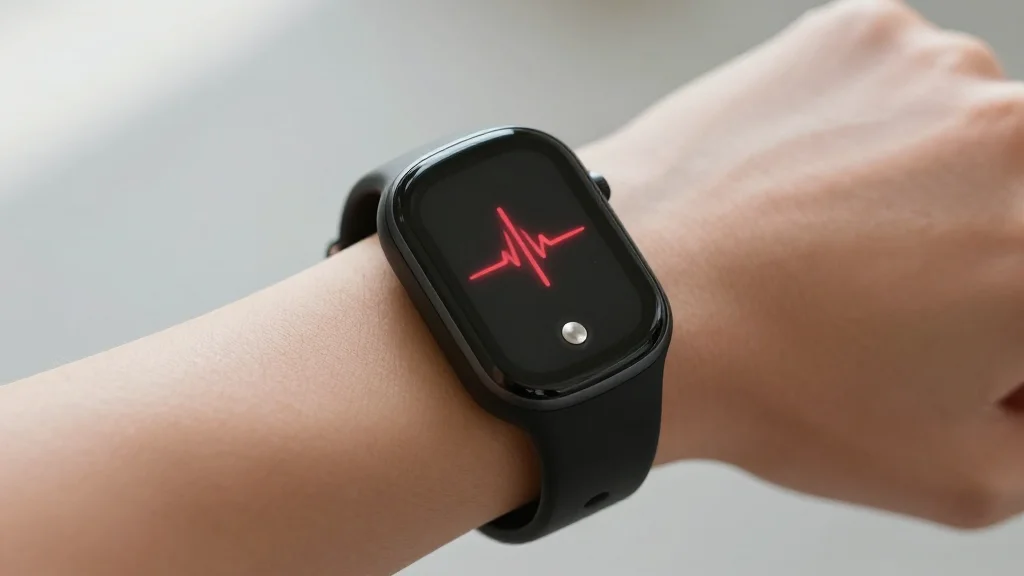
New Smart Technology in Wearable Wristband May Detect Cardiac Arrest
Why It Matters
Real‑time, wearable detection could serve as a digital witness for unwitnessed cardiac arrests, potentially reducing response times and improving survival rates. The technology bridges a gap between consumer wearables and clinical emergency response systems.
Key Takeaways
- •Wristband detected 92% of cardiac arrests in clinical study
- •100% detection for ventricular fibrillation, 90% for pulseless VT
- •Only nine false positives over 125 monitoring hours
- •Potential to alert emergency services and nearby responders instantly
Pulse Analysis
The emergence of photoplethysmography (PPG) sensors in consumer wearables has opened a new frontier for cardiac monitoring, but most devices stop at rhythm irregularities or heart‑rate alerts. The DETECT‑1b study pushes the envelope by validating a wrist‑based algorithm that can recognize the abrupt cessation of effective circulation characteristic of cardiac arrest. By continuously measuring blood‑flow changes at the wrist, the device offers a non‑invasive, always‑on solution that could function as a digital first responder, especially in settings where traditional monitoring is unavailable.
Results from the Dutch cohort are striking: a 92% overall detection rate for shockable rhythms, with perfect identification of ventricular fibrillation—a rhythm that accounts for a large share of sudden cardiac deaths. Equally important is the low false‑positive rate—nine alerts across more than five days of continuous recording—suggesting the technology can differentiate true arrests from benign motion artifacts. Compared with existing smart watches that merely flag atrial fibrillation, this wristband adds a life‑saving layer, potentially transforming how out‑of‑hospital cardiac events are recognized and reported.
Looking ahead, integration with emergency dispatch centers and volunteer responder platforms could create a seamless alert chain, shaving precious minutes off response times. However, real‑world validation remains essential; factors like motion, skin tone, and ambient light can affect PPG accuracy. Regulatory approval, data‑privacy safeguards, and partnerships with EMS agencies will shape commercial rollout. If these hurdles are cleared, the market for medically‑grade wearables could expand dramatically, offering insurers, hospitals, and patients a proactive tool to combat one of the leading causes of mortality worldwide.
New smart technology in wearable wristband may detect cardiac arrest
Comments
Want to join the conversation?
Loading comments...