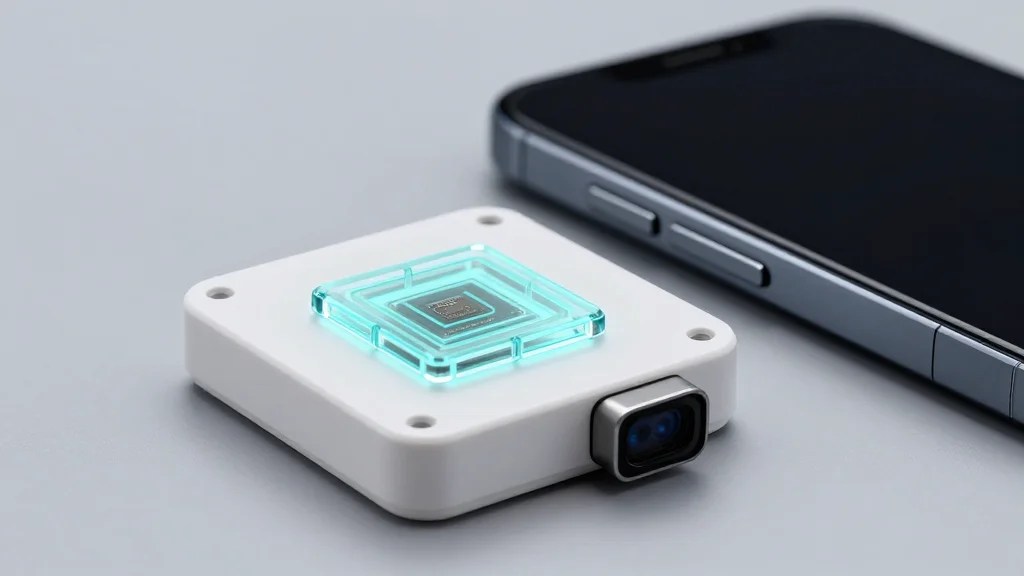
NTU Unveils AI‑Powered Biochip That Detects Disease Biomarkers in 20 Minutes

Why It Matters
The ability to deliver molecular‑level results in 20 minutes addresses a critical bottleneck in current diagnostic pathways, where delays can impede timely treatment decisions. By marrying AI with nanophotonics, the NTU biochip could democratize access to high‑precision testing, especially in low‑resource environments that lack full laboratory infrastructure. If the technology scales, it may also influence investment trends, prompting venture capital and corporate R&D to prioritize AI‑enabled, rapid‑turnaround diagnostic platforms. Such a shift could accelerate the adoption of personalized medicine, where real‑time biomarker data informs therapy selection at the point of care.
Key Takeaways
- •NTU's AI‑enabled biochip detects microRNA biomarkers in ~20 minutes.
- •Nanophotonic sensor coupled with deep‑learning image analysis replaces PCR amplification.
- •Prototype includes a camera and mobile app for on‑device data processing.
- •Early testing published in *Advanced Materials* shows high sensitivity for cancer‑related microRNAs.
- •Further validation and regulatory approval are required before clinical rollout.
Pulse Analysis
The NTU biochip arrives at a moment when the health‑tech market is hungry for rapid, AI‑driven diagnostics. Traditional nucleic‑acid tests, while accurate, are hampered by long processing times and the need for centralized labs. By compressing the workflow into a 20‑minute, handheld solution, NTU tackles both speed and accessibility, two variables that have historically limited the reach of molecular diagnostics.
Historically, breakthroughs in point‑of‑care testing have hinged on simplifying chemistry—think lateral flow assays for infectious diseases. NTU’s approach flips the script: it simplifies the readout through AI rather than chemistry. This could open a new competitive frontier where hardware and software co‑evolve, prompting established diagnostics firms to either acquire similar capabilities or double down on AI integration.
From an investment perspective, the prototype’s early validation in a high‑impact journal signals credibility that may attract series‑A funding or strategic partnerships with device manufacturers. However, the path to market is fraught with regulatory hurdles, especially for AI‑based medical devices that must demonstrate consistent performance across diverse populations. Success will depend on rigorous multi‑site trials and clear explainability of the AI models to regulators.
If NTU can navigate these challenges, the ripple effects could be profound: faster cancer screening, quicker infectious disease triage, and a new benchmark for what clinicians expect from point‑of‑care tools. The technology could also catalyze a wave of hybrid devices that blend nanophotonics, AI, and mobile connectivity, reshaping the diagnostic value chain from sample collection to actionable insight within a single patient visit.
NTU Unveils AI‑Powered Biochip That Detects Disease Biomarkers in 20 Minutes
Comments
Want to join the conversation?
Loading comments...