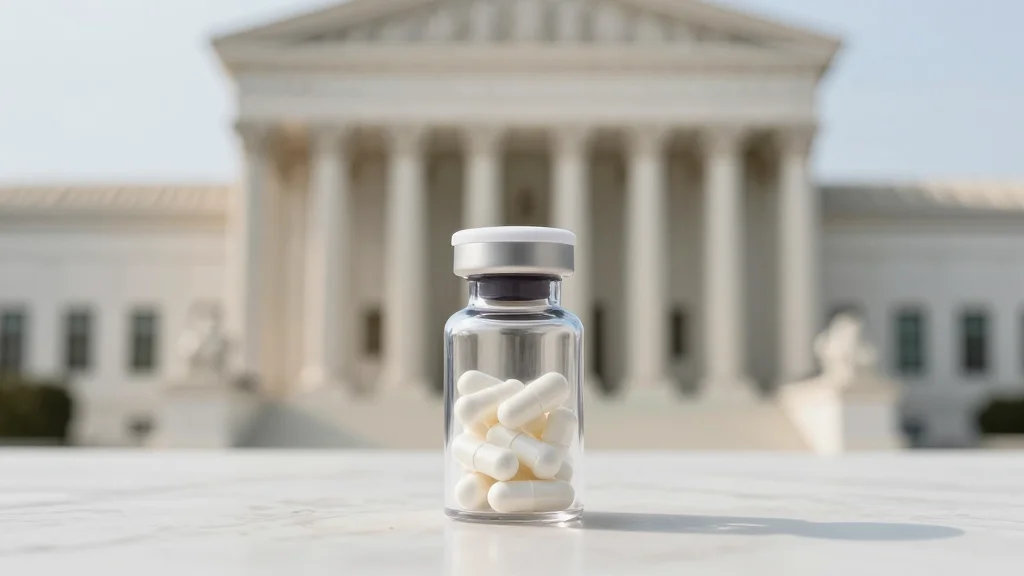
Pharma Makers Petition Supreme Court to Halt 5th Circuit Ban on Telehealth Abortion Pills

Why It Matters
The Supreme Court’s decision on the 5th Circuit ruling will determine whether telehealth can continue to serve as a viable delivery channel for medication abortion—a service that has expanded access for millions of women, especially in rural or restrictive‑law states. By potentially re‑imposing in‑person dispensing, the ruling could reverse a decade‑long trend toward digital health integration, raising costs and logistical barriers for patients and providers alike. Beyond abortion care, the case signals how state‑level challenges can curtail federal regulatory flexibility for digital health innovations. A precedent that favors state‑driven restrictions could embolden similar lawsuits targeting remote prescribing of other FDA‑approved therapies, threatening the broader telemedicine ecosystem that has grown rapidly since the COVID‑19 pandemic.
Key Takeaways
- •Danco Laboratories and GenBioPro filed emergency petitions with the U.S. Supreme Court to pause a 5th Circuit ruling that bans telehealth and mail‑order mifepristone.
- •The 5th Circuit decision reinstates an in‑person‑only requirement for the abortion pill, overturning a 2021 FDA rule that enabled remote prescribing.
- •Mary Ziegler warned the ruling could reveal the full impact of abortion bans; Brittany Fonteno called the decision politically driven and unsafe.
- •Telehealth‑enabled medication abortion accounts for about 25% of U.S. abortions; the ruling threatens to increase travel and costs for patients.
- •The Supreme Court is expected to hear arguments in late May or early June, with a stay potentially preserving current telehealth access.
Pulse Analysis
The fight over mifepristone’s telehealth distribution is a litmus test for the broader health‑tech regulatory landscape. Over the past decade, digital health platforms have leveraged FDA flexibility to expand remote prescribing, from chronic disease management to mental‑health apps. The 5th Circuit’s injunction, however, demonstrates how a single state‑driven lawsuit can upend federal policy, especially when the issue intersects with politically charged domains like reproductive rights.
If the Supreme Court grants a stay, it will reinforce the principle that federal agencies retain discretion to modernize drug delivery in line with technological advances, preserving a pathway for future telehealth innovations. Conversely, a denial could trigger a cascade of state‑level challenges to other FDA rules—potentially stalling the rollout of AI‑based diagnostics, remote monitoring devices, and digital therapeutics that rely on similar regulatory leeway. Stakeholders in the health‑tech sector should therefore monitor the case closely, as its outcome will likely influence litigation strategies and lobbying efforts across the industry.
Strategically, pharmaceutical firms and telehealth providers may need to diversify compliance frameworks, preparing for a scenario where state courts can impose stricter distribution rules. This could involve building regional supply chains, investing in clinic partnerships, or lobbying for federal legislation that explicitly protects digital health delivery models. The Supreme Court’s ruling will not only shape abortion access but also set a precedent for how health‑tech innovations navigate the complex interplay between federal authority and state sovereignty.
Pharma Makers Petition Supreme Court to Halt 5th Circuit Ban on Telehealth Abortion Pills
Comments
Want to join the conversation?
Loading comments...