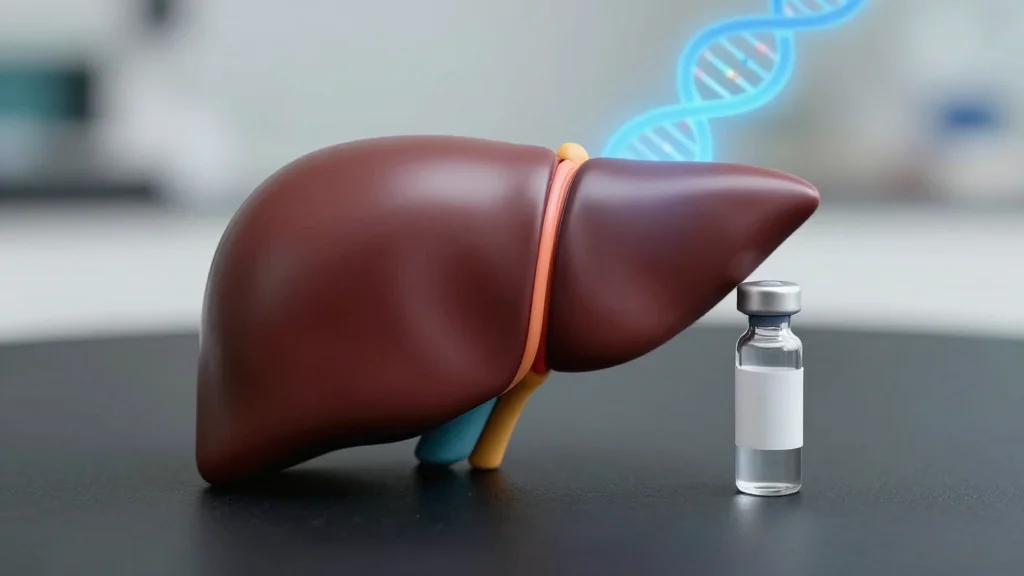
Precision BioSciences Reports First cccDNA Elimination in Hepatitis B Patients

Why It Matters
Eliminating cccDNA tackles the fundamental obstacle that has prevented a cure for chronic hepatitis B for decades. By demonstrating that a gene‑editing platform can achieve durable viral genome disruption in patients, Precision BioSciences opens a new therapeutic paradigm that could be extended to other DNA‑based viruses, such as hepatitis D and certain oncogenic viruses. The breakthrough also underscores the growing convergence of synthetic biology and clinical medicine, highlighting how precise molecular tools are moving from the lab to the bedside. Beyond the scientific impact, a curative hepatitis B therapy would alleviate a massive global health burden. The World Health Organization estimates that over 250 million people live with chronic hepatitis B, with an annual death toll of roughly 900,000 from liver disease. A one‑time curative treatment could dramatically reduce long‑term healthcare costs, lower the incidence of liver cancer, and improve quality of life for millions, especially in low‑ and middle‑income regions where the disease is most prevalent.
Key Takeaways
- •ELIMINATE‑B trial shows a 10‑fold reduction in cccDNA transcripts after two PBGENE‑HBV doses
- •Residual cccDNA carries indel mutations that permanently disable viral polymerase
- •pgRNA validated as a reliable biomarker for cccDNA clearance
- •Precision BioSciences plans a Phase 2 trial with up to 150 patients later in 2026
- •Shares of DTIL rose 12 % in after‑hours trading following the data release
Pulse Analysis
The ELIMINATE‑B results represent a watershed moment for gene‑editing therapeutics, but the path to market will be rigorous. Historically, the hepatitis B field has been dominated by nucleos(t)ide analogues that require lifelong adherence. Precision's approach, if confirmed in larger trials, could redefine treatment economics by shifting from chronic drug spend to a curative, potentially reimbursable, one‑time intervention. However, the technology's novelty introduces regulatory uncertainty; the FDA will likely demand extensive off‑target safety data, especially given the irreversible nature of genome editing.
Competitors such as Gilead and Novartis are advancing capsid inhibitors and RNAi‑based therapies that aim to reduce cccDNA indirectly. Precision's direct editing strategy could give it a competitive edge, but it also faces the challenge of scaling viral vector manufacturing to meet global demand. The company's ability to partner with large‑scale biomanufacturing firms will be critical to translating early success into commercial viability.
From an investor perspective, the 12 % share jump reflects market optimism, yet the modest size of the trial and the need for further data temper enthusiasm. The next 12‑18 months will be decisive: robust Phase 2 safety signals and clear efficacy endpoints could propel DTIL into a leadership position in curative virology, while any setbacks could re‑anchor the market to more conventional therapies. In any case, the ELIMINATE‑B data have already forced the broader biotech community to reconsider the feasibility of eradicating persistent viral genomes, a shift that could accelerate innovation across multiple disease areas.
Precision BioSciences reports first cccDNA elimination in hepatitis B patients
Comments
Want to join the conversation?
Loading comments...