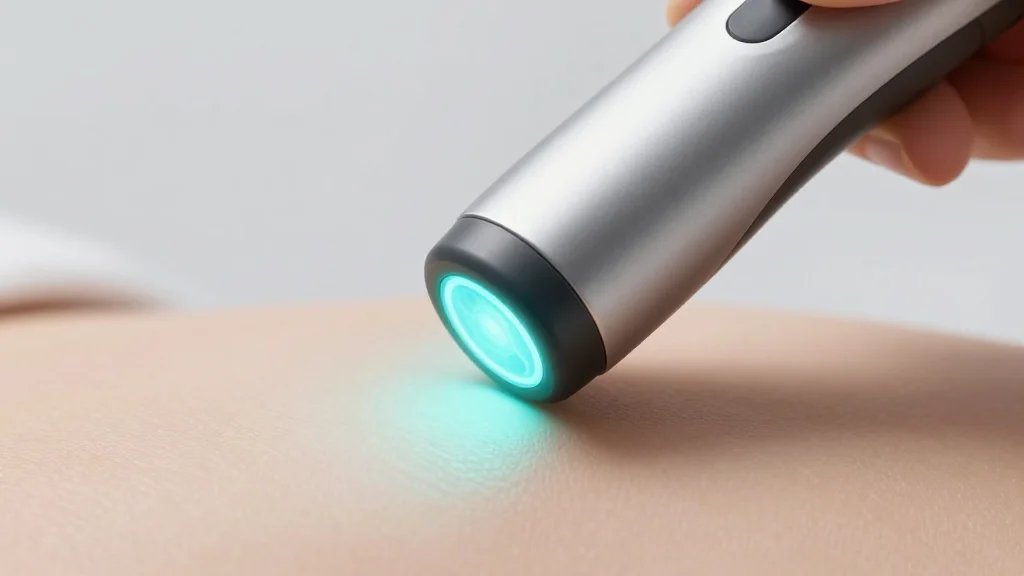
Rice and MD Anderson Unveil PrecisionView Handheld AI Microscope for Early Cancer Detection

Why It Matters
PrecisionView tackles two persistent barriers in cancer diagnostics: the need for high‑resolution imaging across broad tissue areas and the invasiveness of biopsies. By merging AI with optical design, the device offers clinicians a faster, less painful way to identify suspicious lesions, which could translate into earlier interventions and higher survival rates. Moreover, its affordability and portability make it a viable tool for low‑income and remote communities that lack access to sophisticated imaging infrastructure. Beyond oncology, the underlying AI‑optics framework could be adapted for other point‑of‑care applications, such as infectious disease screening or dermatological assessments, amplifying its impact across the broader health‑tech ecosystem.
Key Takeaways
- •PrecisionView is a handheld, pen‑sized AI endomicroscope developed by Rice University and MD Anderson.
- •Provides a field of view ~5× larger and depth of field ~8× greater than conventional microscopes while maintaining cellular resolution.
- •AI redesigns the optics, eliminating the traditional trade‑off between depth of field and resolution.
- •Aims to reduce invasive biopsies for epithelial cancers such as cervical and oral cancers.
- •Multicenter clinical trials slated for later 2026 to validate diagnostic performance.
Pulse Analysis
The launch of PrecisionView signals a maturation of AI from a post‑processing tool to a core component of imaging hardware. Historically, AI has been layered atop existing devices to enhance image quality or automate interpretation. By embedding deep‑learning models directly into the optical pathway, Rice and MD Anderson have unlocked a new design space where hardware constraints can be algorithmically mitigated. This paradigm shift could accelerate a wave of AI‑first medical instruments, prompting equipment manufacturers to invest in co‑development rather than retrofitting.
From a market perspective, the device arrives at a time when payers and providers are under pressure to cut diagnostic costs while improving outcomes. Early‑stage, non‑invasive screening tools that can be deployed outside traditional labs align with value‑based care models and may attract reimbursement pathways similar to other point‑of‑care tests. However, the path to widespread adoption will require robust evidence of clinical utility and clear regulatory pathways. If PrecisionView can demonstrate comparable or superior sensitivity to histopathology in large trials, it could redefine screening guidelines and reduce the burden on pathology services.
Looking ahead, the AI‑optics approach could be extended beyond oncology. The same technology could enable rapid detection of bacterial colonies, parasitic infections, or even metabolic markers in blood smears, broadening its commercial appeal. Competitors will likely accelerate their own AI‑driven hardware programs, making the next few years a critical battleground for intellectual property and standard‑setting in AI‑enhanced medical imaging.
Rice and MD Anderson Unveil PrecisionView Handheld AI Microscope for Early Cancer Detection
Comments
Want to join the conversation?
Loading comments...