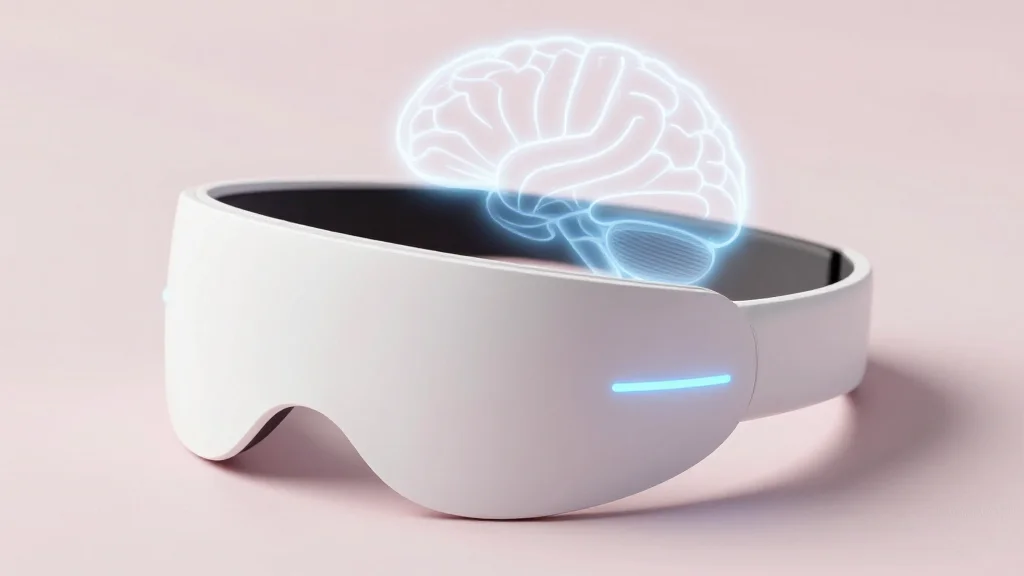
Samphire Neuroscience Launches $441 AI‑powered Headband Lutea to Ease PMS

Why It Matters
Lutea illustrates how consumer‑grade hardware can intersect with AI to create personalized, hormone‑aware therapies, a segment that has historically been underserved by traditional pharmaceuticals. By offering a non‑invasive, at‑home option, the device could broaden access to symptom relief for millions of women who experience PMS, perimenopause or postpartum hormonal shifts. If Lutea demonstrates sustained user adherence and measurable symptom reduction, it may encourage regulators to develop clearer pathways for neuro‑stimulation wearables, accelerating innovation across the women’s health tech ecosystem. Conversely, a lack of rigorous clinical evidence could invite skepticism, underscoring the need for robust data to validate digital therapeutic claims.
Key Takeaways
- •Samphire Neuroscience launched Lutea, a $441 AI‑powered wearable headband for PMS relief
- •Device delivers 20‑minute daily neurostimulation to DLPFC and M1 pathways
- •25% discount (promo code FORMOM25) available until May 10
- •Target users include perimenopausal women, new mothers, and those with hormone‑related pain
- •Early reviewers report mood improvement and pain reduction after weeks of use
Pulse Analysis
The introduction of Lutea signals a shift from purely software‑based digital therapeutics toward hybrid solutions that combine hardware, AI and neuroscience. Historically, the digital health market has focused on chronic disease management and mental health apps; Lutea’s hardware component differentiates it by promising a physiological effect rather than just data tracking. This could attract a segment of consumers willing to pay a premium for tangible, device‑based outcomes, especially as women’s health continues to attract venture capital.
However, the device’s success hinges on more than marketing hype. Without peer‑reviewed clinical trials, the claims rest on anecdotal reviews, which may limit acceptance among clinicians and insurers. If Samphire can secure third‑party validation, Lutea could become a template for future neuro‑stimulation wearables targeting cyclical hormonal changes, prompting larger med‑tech players to invest in similar R&D pipelines.
From a market perspective, Lutea’s pricing strategy places it alongside high‑end wellness gadgets like the Oura Ring, yet its therapeutic positioning may carve out a niche that blends wellness with medical intent. Should consumer adoption meet expectations during the promotional period, we may see accelerated partnerships with retail chains and potential reimbursement discussions, reshaping how digital therapeutics are monetized in the women’s health space.
Samphire Neuroscience launches $441 AI‑powered headband Lutea to ease PMS
Comments
Want to join the conversation?
Loading comments...