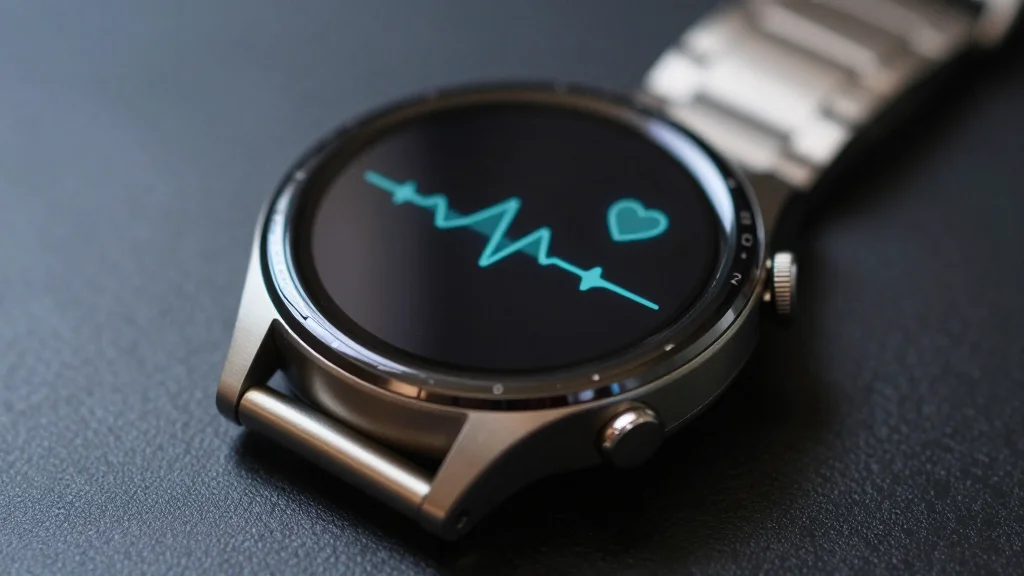
Samsung Adds AI‑Powered Health Insights to Upcoming Galaxy Watch

Why It Matters
The integration of AI‑derived health scores into a mainstream wearable marks a step toward democratizing preventive care. By translating complex biometric streams into simple, actionable recommendations, Samsung could empower millions to detect early signs of stress, sleep disruption or cardiovascular strain before they become clinical issues. This shift also pressures other manufacturers to deepen their analytics, potentially accelerating the overall maturity of consumer health technology. Moreover, Samsung’s ecosystem‑wide approach—linking watch data with phone, tablet and earbud inputs—illustrates a broader industry trend of converging health data silos. If successful, the model could set new expectations for data continuity, encouraging insurers, employers and healthcare providers to consider consumer wearables as credible sources for longitudinal health monitoring.
Key Takeaways
- •Samsung Health app update launches June 8 with AI‑driven health features
- •New "Vitals" analysis tracks five overnight bio‑signals against a personal baseline
- •"Heart Health Score" combines sleep, stress, activity and body‑composition data
- •Redesigned interface groups insights into Sleep, Activity, Nutrition, Mindfulness and Vitals
- •Features are wellness‑only; not intended for medical diagnosis
Pulse Analysis
Samsung’s latest health rollout reflects a strategic pivot from pure hardware competition to a data‑centric ecosystem battle. Historically, Samsung has leveraged its scale in smartphones and TVs to cross‑sell accessories, but the health arena demands deeper algorithmic expertise. By embedding AI that synthesizes multi‑modal signals—cardiovascular, respiratory, thermoregulatory and hematologic—Samsung is attempting to close the functionality gap with Apple’s health stack while differentiating through broader ecosystem integration.
The move also aligns with a growing investor appetite for health‑tech platforms that can monetize longitudinal data. AI‑generated scores create opportunities for personalized coaching, premium content subscriptions, and partnerships with insurers seeking real‑world evidence. However, the path is fraught with regulatory ambiguity; wellness apps that border on diagnostic claims risk scrutiny from agencies like the FDA. Samsung’s explicit disclaimer may shield it legally, but it could also limit consumer trust compared with devices that have cleared medical‑device pathways.
Looking ahead, the success of Samsung’s AI health features will hinge on user engagement and data quality. If the Galaxy Watch can deliver consistent, low‑false‑positive alerts, it may foster habitual health monitoring and open doors to clinical collaborations. Conversely, over‑alerting could erode confidence and drive users back to simpler step counters. The upcoming launch will be a litmus test for whether AI‑enhanced wearables can transition from novelty gadgets to indispensable health partners.
Samsung Adds AI‑Powered Health Insights to Upcoming Galaxy Watch
Comments
Want to join the conversation?
Loading comments...