Top Medtech Stories From ADA’s Scientific Sessions
Companies Mentioned
Why It Matters
These innovations could dramatically improve glycemic control, lower patient burden, and expand market opportunities across the diabetes‑care ecosystem. Wider reimbursement and regulatory clearance will accelerate adoption of autonomous therapy platforms.
Key Takeaways
- •Insulet unveiled Omnipod 6, filing FDA submission this year
- •Insulet's fully closed-loop system targets Type 2 diabetes without bolus
- •MiniMed's closed-loop device supports Type 1 and Type 2, retains bolus
- •Abbott earned CE mark for Europe's first glucose‑ketone sensor
- •Dexcom's large study seeks broader insurance coverage for CGM
Pulse Analysis
The American Diabetes Association’s Scientific Sessions have become a proving ground for next‑generation med‑tech, and this year’s agenda was dominated by automated insulin‑delivery systems. Researchers showcased fully closed‑loop platforms that could eliminate manual bolusing, a long‑standing barrier for both Type 1 and Type 2 patients. By removing the need for meal‑time announcements, these devices promise tighter glycemic control while reducing user burden. The conference therefore highlighted a shift from incremental sensor improvements toward integrated therapy solutions that blend continuous glucose monitoring with autonomous insulin dosing.
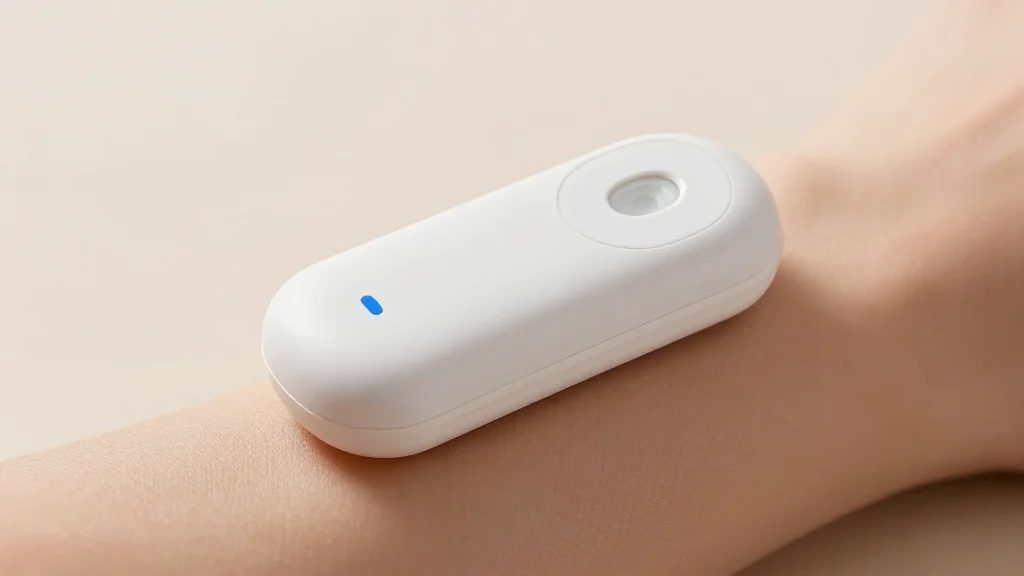
Insulet used the stage to present pivotal data on its Omnipod 6 patch pump, a disposable system slated for an FDA filing later this year. The company also unveiled a fully closed‑loop prototype designed exclusively for Type 2 diabetes, eliminating all bolus inputs. Meanwhile, Medtronic’s MiniMed division demonstrated a dual‑mode loop that retains a manual bolus option, catering to both Type 1 and Type 2 cohorts. Abbott announced Europe’s first CE‑marked glucose‑ketone sensor, expanding continuous monitoring beyond glucose alone, while Dexcom released results from a large‑scale study aimed at securing broader payer coverage for its CGM devices.
The commercial ramifications are significant. A FDA‑cleared Omnipod 6 could accelerate adoption of patch‑pump therapy, a market segment projected to exceed $2 billion by 2030. Abbott’s glucose‑ketone sensor opens a new revenue stream and may spur competitors to pursue multi‑analyte platforms. Dexcom’s push for expanded reimbursement could lift CGM penetration among non‑insulin‑using patients, a demographic that currently represents a sizable unmet need. Collectively, these advances suggest a near‑term acceleration in closed‑loop adoption, tighter integration of metabolic data, and a reshaping of diabetes care economics.
Top medtech stories from ADA’s Scientific Sessions
Comments
Want to join the conversation?
Loading comments...