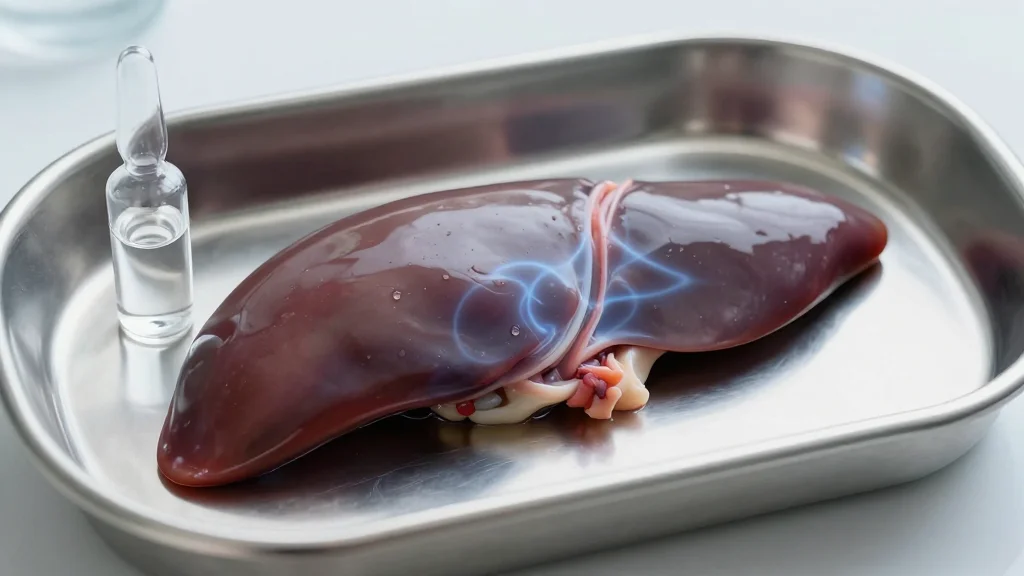
Trial Shows Donor-Derived Cells Can Eliminate Immunosuppressants in Liver Transplants

Companies Mentioned
Why It Matters
The ability to induce immune tolerance before transplantation could fundamentally alter the risk‑benefit calculus of organ donation. Patients would avoid the chronic toxicities of immunosuppressants, reducing hospitalizations for infections, malignancies, and metabolic disease. Health systems would see lower long‑term costs, and the psychological burden on recipients would lessen, potentially improving adherence to post‑operative care. Beyond liver transplants, the approach signals a shift toward precision immunology in surgery. By customizing cellular therapies to each donor‑recipient pair, clinicians may eventually tailor tolerance protocols for a range of solid‑organ transplants, addressing one of the most persistent barriers to expanding the donor pool.
Key Takeaways
- •13 living‑donor liver transplant patients received donor‑derived regulatory dendritic cells before surgery.
- •Four patients stopped all immunosuppressive drugs; three have remained drug‑free for over three years.
- •Tolerance induction rate of 37.5% among eligible patients, compared with a historic 13% without cell therapy.
- •No serious adverse events linked to the DCreg infusions were reported in the trial.
- •Next steps include multicenter enrollment and scaling manufacturing for broader clinical use.
Pulse Analysis
The trial’s success hinges on a paradigm shift from blanket immunosuppression to targeted immune education. Historically, transplant medicine has relied on drugs that blunt the entire immune response, accepting the trade‑off of heightened infection and malignancy risk. By introducing donor‑specific regulatory dendritic cells, the Pittsburgh team leverages the body’s own tolerance mechanisms, a strategy that aligns with the broader move toward cell‑based therapies seen in oncology and autoimmune disease.
From a market perspective, the data could catalyze investment in biotech firms specializing in cellular immunomodulation. Companies that have built platforms for dendritic cell manufacturing may see heightened interest, while larger pharmaceutical players could pursue partnerships to integrate such therapies into existing transplant protocols. The competitive advantage will likely rest on the ability to produce standardized, off‑the‑shelf DCreg products that retain donor specificity without prohibitive cost.
Looking ahead, the key challenges will be scalability and regulatory acceptance. Manufacturing personalized cell products for each donor‑recipient pair demands robust logistics and quality control, especially if the approach expands to deceased‑donor organs where timing is tighter. Nonetheless, the trial provides a proof‑of‑concept that could accelerate a new class of tolerance‑inducing therapies, potentially reshaping the economics and clinical outcomes of organ transplantation worldwide.
Trial Shows Donor-Derived Cells Can Eliminate Immunosuppressants in Liver Transplants
Comments
Want to join the conversation?
Loading comments...