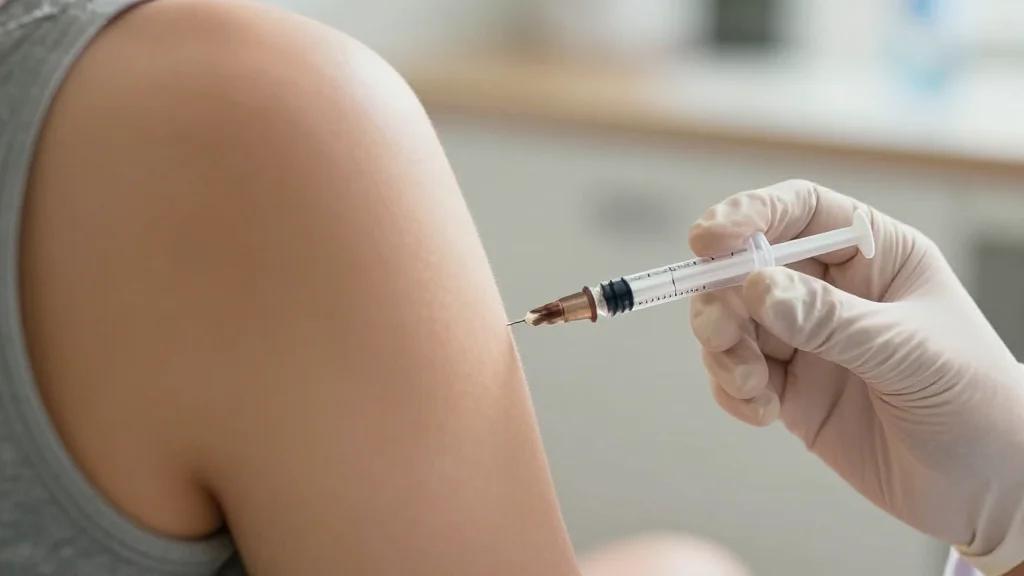
UK NHS Rolls Out One‑minute Injectable Cancer Therapy, Slashing Visits for 14,000 Patients

Why It Matters
The NHS’s adoption of a one‑minute injectable pembrolizumab marks a rare convergence of pharmaceutical innovation and health‑system efficiency. By dramatically shortening appointment times, the change tackles two persistent challenges: patient burden and limited clinical capacity. For patients, fewer hours in a hospital chair mean less disruption to work, family and mental health, which can improve overall treatment adherence and outcomes. For the NHS, the freed capacity helps address growing oncology demand without proportional increases in staffing or infrastructure, a critical advantage as cancer cases rise across the UK. If the rollout proves clinically equivalent and cost‑effective, it could set a precedent for other health systems worldwide. The model demonstrates that drug manufacturers and public health providers can collaborate to redesign delivery pathways, turning high‑cost, high‑complexity therapies into streamlined, patient‑centric services. This could accelerate the broader shift toward outpatient, home‑based cancer care and reshape reimbursement models that currently favour infusion‑center revenue.
Key Takeaways
- •NHS will replace two‑hour pembrolizumab infusions with a one‑minute sub‑cutaneous injection.
- •Approximately 14,000 patients in England start pembrolizumab each year and will be eligible for the new format.
- •Appointment time is cut by up to 90 %, freeing thousands of chair‑hours per month.
- •Professor Peter Johnson highlighted the benefit of patients "getting back to living their lives" rather than waiting in a hospital chair.
- •The rollout is part of a wider NHS effort to modernise cancer care and improve system capacity.
Pulse Analysis
The NHS’s decision to adopt a sub‑cutaneous pembrolizumab formulation is more than a logistical tweak; it signals a strategic pivot toward value‑based oncology. Historically, high‑cost immunotherapies have been tied to infusion centres, creating a revenue stream for hospitals but also a bottleneck for capacity. By decoupling the drug from the infusion suite, the NHS is effectively re‑engineering the cost structure: drug acquisition costs remain unchanged, but ancillary expenses—pharmacy compounding, infusion equipment depreciation, and nursing time—drop sharply. This could pressure other health systems to renegotiate pricing or seek similar delivery innovations to stay competitive.
From a market perspective, the move validates Merck’s investment in a sub‑cutaneous version of Keytruda, a product that required years of clinical development to demonstrate bio‑equivalence. Success in the UK may accelerate regulatory approvals in the US and EU, prompting insurers to favour the injection for its lower administration cost. Competitors such as Bristol‑Myers Squibb and Roche may fast‑track their own injectable immunotherapies to avoid losing market share.
Looking ahead, the real test will be whether the streamlined delivery maintains the same efficacy and safety profile as the IV infusion. Early data suggest comparable outcomes, but large‑scale, real‑world evidence will be essential. If the NHS confirms parity, the model could become the new standard, reshaping oncology clinics into more patient‑friendly, high‑throughput environments and potentially redefining how health‑systems allocate scarce resources.
UK NHS rolls out one‑minute injectable cancer therapy, slashing visits for 14,000 patients
Comments
Want to join the conversation?
Loading comments...