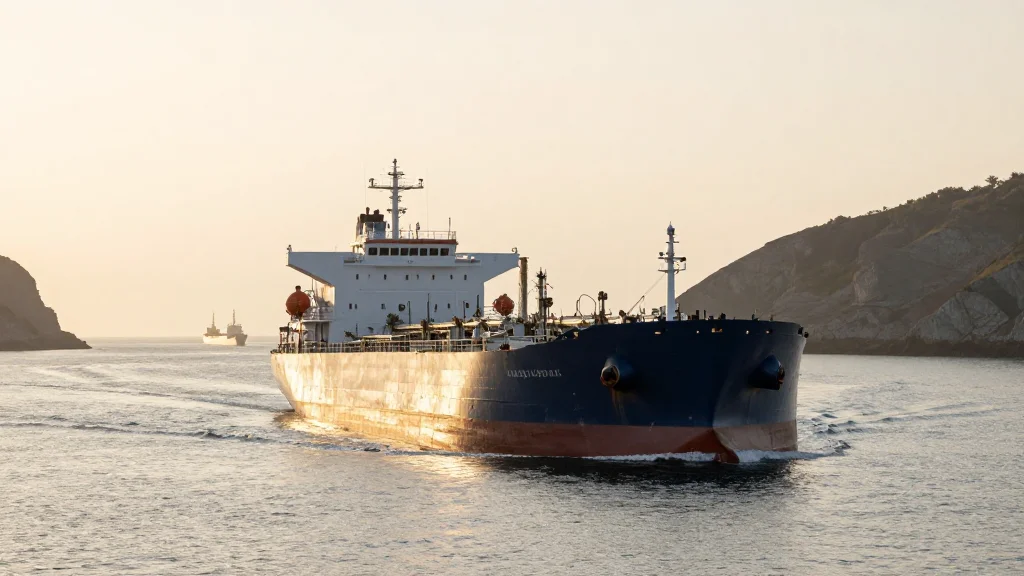
Citadel CEO Ken Griffin Warns a Six‑to‑twelve‑month Hormuz Shutdown Would Trigger a Global Recession

Companies Mentioned
Why It Matters
Griffin’s warning spotlights the intersection of geopolitics and macro‑economic risk for hedge funds, where a single chokepoint can reshape global growth forecasts. A prolonged Hormuz shutdown would not only keep oil prices at multi‑year highs but also amplify inflationary pressures, eroding corporate margins and consumer spending. For fund managers, the scenario forces a reassessment of oil‑sensitive positions and a potential shift toward defensive assets, including renewable energy and commodities that could act as inflation hedges. Moreover, the statement amplifies the narrative that hedge‑fund leaders are now key voices in policy debates, influencing both market sentiment and investor behavior. As Citadel’s portfolio reflects deep bets in technology and consumer sectors, a recession triggered by energy shocks could test the resilience of those holdings, prompting a broader industry conversation about risk management, diversification, and the role of alternative energy in future portfolios.
Key Takeaways
- •Ken Griffin warned a 6‑12 month Hormuz closure would cause a global recession.
- •Strait of Hormuz carries 20‑25% of world oil and LNG shipments, about 1.8 million barrels per day blocked.
- •Oil prices have risen above $100 a barrel, with Brent hitting $127 per barrel.
- •Citadel’s Q4 2025 portfolio is valued at $0.67 trillion, with $3.2 billion in Amazon and $4 billion in Nvidia.
- •Griffin predicts a massive shift toward wind, solar and nuclear if the closure persists.
Pulse Analysis
Griffin’s alarm is more than a headline; it signals a potential re‑pricing of risk across the hedge‑fund universe. Historically, oil‑driven supply shocks have precipitated recessions, but the current confluence of a geopolitical flashpoint and already elevated energy prices creates a perfect storm. Funds that have leaned heavily on growth‑oriented tech exposures may see earnings compressed as input costs rise, while those with exposure to commodities or renewable energy could capture upside from a structural shift in energy sourcing.
The broader market reaction has been muted, reflecting a belief that diplomatic channels may still open the strait. Yet the duration of the closure is the critical variable. A short‑term disruption would likely be absorbed, but a six‑month or longer hiatus would force central banks to confront higher inflation, potentially tightening monetary policy at a time when growth is already fragile. Hedge funds that can quickly pivot—by increasing exposure to inflation‑linked assets, employing oil futures hedges, or reallocating capital to clean‑energy innovators—will be best positioned to weather the fallout.
In the longer view, Griffin’s comments may accelerate the industry’s transition toward ESG‑aligned strategies. If investors anticipate a sustained move away from fossil fuels, capital could flow more rapidly into renewable infrastructure, battery technology, and nuclear projects, reshaping the asset allocation landscape for hedge funds. The next quarter will reveal whether the market treats Griffin’s warning as a cautionary note or a catalyst for a strategic overhaul.
Citadel CEO Ken Griffin warns a six‑to‑twelve‑month Hormuz shutdown would trigger a global recession
Comments
Want to join the conversation?
Loading comments...