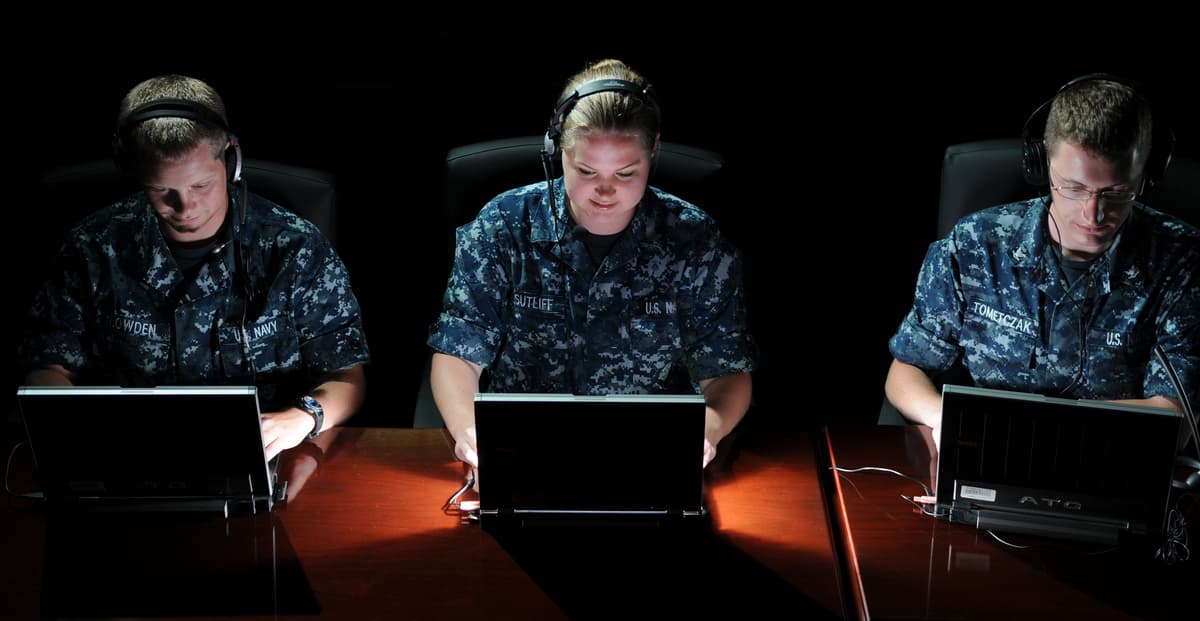
AI-Powered Tool Helps Navy Talk Thousands of Sailors Out of Leaving
Why It Matters
By leveraging AI to anticipate and address turnover, the Navy cuts recruitment costs, preserves critical skill sets, and strengthens operational readiness in a tight labor market.
Key Takeaways
- •Full Power Navy pilot kept 3,300 at‑risk sailors in service.
- •Retention rates rose 20% among high‑need sailors (5‑20 years).
- •Project Compass emails boost applications from two to three per sailor.
- •AI matches sailors to billets using data aggregated from 100 silos.
- •Better retention helps Navy meet stretch goals without extra recruiting.
Pulse Analysis
Retention has long been a strategic pain point for the U.S. Navy, where specialized ratings and mid‑career talent are costly to replace. Traditional outreach relied on generic incentives and manual tracking, often missing the nuanced reasons sailors consider leaving—most notably geographic preferences and family stability. The introduction of AI‑powered decision‑support tools marks a shift toward predictive personnel management, allowing commanders to intervene before a sailor files a separation request. By flagging at‑risk individuals based on service length, rating demand, and personal data, the Navy can proactively propose solutions that align with both career aspirations and life circumstances.
The Full Power Navy pilot, launched in early 2025, integrates disparate personnel databases into a unified profile for each sailor. This data aggregation feeds Project Compass, an algorithmic marketplace that matches sailors with billets matching their skills, location desires, and promotion timelines. Email outreach now reaches up to 15,000 sailors with curated job suggestions, nudging them to submit an extra application on average. Early metrics show a 20% uplift in retention among the targeted cohort and a measurable increase in application volume, indicating higher engagement and better fit between sailors and assignments.
For the broader defense sector, the Navy’s AI‑enhanced retention model offers a blueprint for cost‑effective talent stewardship. Reducing churn lessens the burden on recruiting pipelines, trims training expenditures, and sustains mission‑critical capabilities. As the service moves toward more sophisticated career‑path visualizations—potentially displaying promotability charts and compensation forecasts—the technology could evolve into a full‑fledged career‑planning platform. Such advances not only safeguard readiness but also signal a growing role for artificial intelligence in shaping the future of military human resources.
AI-powered tool helps Navy talk thousands of sailors out of leaving
Comments
Want to join the conversation?
Loading comments...