
Brendan Pierson: Illinois’ New AI-in-HR Rules Go Far Beyond Other States’ Restrictions
Illinois enacted an amendment to its Human Rights Act that forces employers to fully disclose any AI tools used in hiring, promotion, or termination decisions and bans discrimination based on protected classes and ZIP codes. The law took effect in January 2024, with the Illinois Department of Human Rights set to issue detailed regulations soon. Compared with California, New York, Colorado and Texas, the Illinois rules impose broader transparency and anti‑bias obligations, creating a heavier compliance burden. Attorneys warn the expanded scope could spark increased litigation over AI‑driven employment decisions.

The Restructuring of Commercial Talent: Why Seismic Is Rewriting Who Owns Learning for Revenue Roles
Seismic has spent 15 years moving learning and coaching from an HR‑run function into a revenue‑focused infrastructure. The February 2026 merger with Highspot and the appointment of a front‑office‑centric CEO accelerated this shift, creating a unified Revenue OS. AI‑driven coaching...

WEF’s CPO Outlook Report: What Needs to Be Top of the HR Agenda?
The World Economic Forum released its second Chief People Officers Outlook, highlighting how geopolitical tension, economic volatility and rapid tech adoption are reshaping talent strategies. CPOs see a modest improvement in talent availability—42% expect a stronger supply—but opinions on job...

‘Leonardo Da Vinci in Your Pocket’: Why Context Is the Key to AI Success for HR
Workday executives at the Elevate London event warned that AI’s ROI in HR hinges on supplying the right business context, not just data or guardrails. They highlighted AI’s probabilistic nature, which can produce hallucinations and unacceptable errors—especially in payroll where...
How One Company Shrunk Its Performance Review Process From Eight Weeks to 48 Hours
Remote, the HR‑software provider, slashed its performance‑review cycle from eight weeks to just 48 hours after a three‑year overhaul led by Chief People Officer Barbara Matthews. The previous system suffered from rating inflation, misaligned expectations, and low trust, mirroring broader...

AI Hiring Tools Just Flunked Every Standard
The Mercuri Urval Research Institute released a 2025 report declaring that current AI‑based hiring tools do not meet professional selection standards or EU AI Act requirements. The study shows AI tools skip essential assessment steps, inherit multiple bias types, and...

How Formula One Cut Time to Hire by 10 Days by Consolidating Its HR Tech Stack
Formula One streamlined its hiring process by consolidating disparate HR systems onto Workday’s platform and adding the AI‑driven HiredScore tool. The integration cut candidate‑screening time by 16% and reduced overall time‑to‑hire by ten days, while automating 97% of initial resume reviews....

From Point Solutions to Platforms: How AI Is Rewriting HR Tech
AI is reshaping HR technology, turning isolated point solutions into integrated platforms. Generative AI has commoditized traditional features such as ATS workflows and LMS tools, shifting competitive advantage to data scale, workflow orchestration, and decision‑making capabilities. Harbinger’s CTO advises HR...

Why AI-Generated Applications Are Creating a New Hiring Problem (And What HR Can Do About It)
AI‑generated résumés are flooding hiring pipelines, inflating applicant volumes and straining recruiters. Candidates can now produce polished applications in seconds using generative tools, making it harder to verify authenticity and assess true skill fit. The surge has prompted HR leaders...

Agentic AI Is Redefining Human Connection and Leadership Now – HR Can’t Miss the Opportunity
A recent SAP SuccessFactors roundtable revealed that employees are increasingly treating agentic AI as a peer, with 22% preferring AI for celebration, 30% seeking AI for stress relief, and 40% turning to AI for emotional support. HR leaders, however, still...

Agentic AI as the Next Major HR Technology Frontier
Agentic AI—systems that act autonomously, make decisions and collaborate across workflows—has emerged as the next major frontier in HR technology. A recent webinar featuring ADP, Zapier and Charter executives clarified how agentic AI differs from current predictive tools and highlighted...
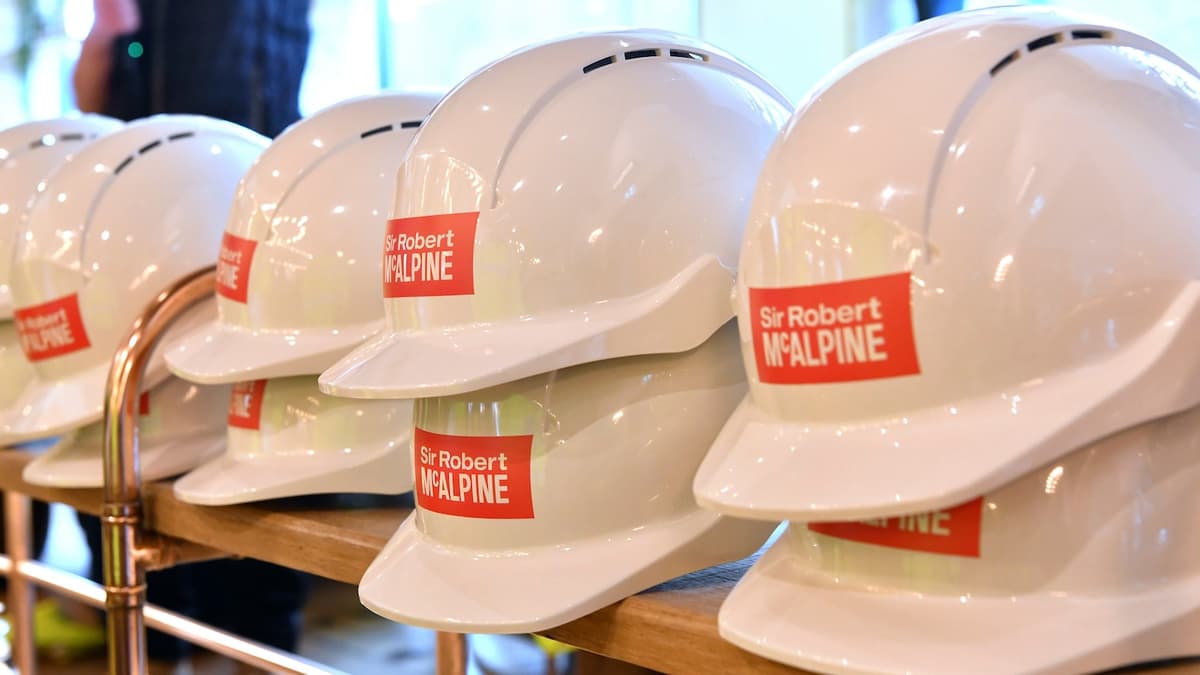
Sir Robert McAlpine Adopts Workforce Planning Platform
Sir Robert McAlpine has implemented Bridgit’s AI‑enabled workforce planning platform, shifting from spreadsheet‑based scheduling to a data‑driven model. The system aggregates the contractor’s historical crew data, certifications, location and availability to surface real‑time skill insights. Planners can query the platform for...

ServiceNow’s Head of TA on HR’s AI Opportunity
ServiceNow’s senior talent‑acquisition leader Sarah Tilley explained how the company leverages generative AI to automate repetitive recruiting tasks while preserving the human element of hiring. She highlighted tools such as AI‑driven interview‑question generation and candidate rediscovery that free recruiters to...

Predictive, Personalized, Preventive in Talent Training
The article outlines an AI‑driven talent development framework that combines predictive analytics, personalized learning paths, and preventive interventions. Predictive training uses data from assessments, work history, and KPIs to spot skill gaps and at‑risk employees before problems arise. Personalized training...

A Fairness Trilemma in Hiring
Economists warn that hiring algorithms face a fairness trilemma: they can achieve at most two of three goals—efficiency, group representation, and formal neutrality—but not all three simultaneously. The article illustrates the dilemma with Amazon’s scrapped AI recruiter and HireVue’s abandonment...