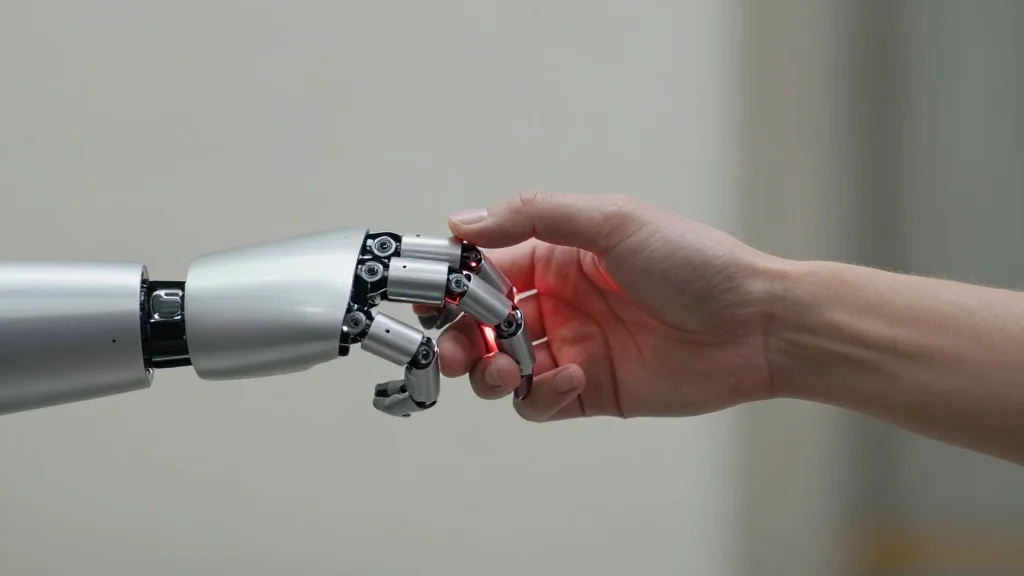
Gartner Warns AI‑driven Strain Threatens HR Teams as Digital Adoption Accelerates

Companies Mentioned

Gartner
Why It Matters
The warning underscores a pivotal inflection point for HR technology: AI can deliver transformative efficiency, but only if firms manage the human side of adoption. Misaligned expectations and premature layoffs threaten not only morale but also the very skill pools needed to sustain AI‑enhanced operations. As AI becomes a core component of talent management, the ability to monitor behavioural impacts and maintain output quality will differentiate high‑performing enterprises from those that falter. For investors and vendors, Gartner’s findings highlight a market need for solutions that embed verification, audit trails and employee‑centred change‑management tools into AI‑driven HR platforms. Companies that can prove they mitigate “AI workslop” and preserve trust are likely to capture a larger share of the growing HRTech spend.
Key Takeaways
- •Gartner warns rapid AI adoption is creating productivity gaps and low‑quality output for HR teams.
- •Premature AI‑driven layoffs risk eroding trust and stripping critical skills.
- •Identifying and fixing a single poor AI‑generated task can take nearly two hours.
- •91% of CIOs and IT leaders devote little or no time to AI’s behavioural side effects.
- •Firms that redesign processes around AI, rather than just hiring tech talent, are more likely to beat revenue targets.
Pulse Analysis
Gartner’s alert arrives at a moment when HRTech investors are pouring capital into generative‑AI tools for recruiting, performance management and employee engagement. The firm’s emphasis on “AI workslop” reveals a hidden cost that many vendors have not yet quantified: the downstream managerial effort required to clean up sub‑par AI output. This creates an opportunity for platforms that embed real‑time quality checks, explainability layers and human‑in‑the‑loop workflows. Companies that can demonstrate a measurable reduction in cleanup time will likely command premium pricing.
The warning about premature layoffs also signals a shift in risk perception. Historically, AI adoption has been framed as a cost‑saving lever, but Gartner’s data suggests that the timing of headcount reductions is misaligned with actual productivity gains. HR leaders who adopt a phased, data‑driven approach—tracking AI‑generated output quality and employee sentiment—will be better positioned to avoid the trust erosion that can trigger attrition and skill shortages. This could drive a new wave of HR analytics solutions focused on behavioural metrics, complementing existing talent‑analytics suites.
Finally, the 91% figure for CIOs neglecting behavioural impacts highlights a governance gap that regulators may soon target. As governments worldwide tighten AI‑ethics and workplace‑fairness regulations, firms that proactively embed behavioural risk monitoring into their AI governance frameworks will not only reduce compliance risk but also gain a competitive advantage in attracting talent wary of opaque AI systems. In short, Gartner’s warning is less a cautionary tale and more a roadmap for the next generation of HRTech solutions that balance automation with human oversight.
Gartner warns AI‑driven strain threatens HR teams as digital adoption accelerates
Comments
Want to join the conversation?
Loading comments...