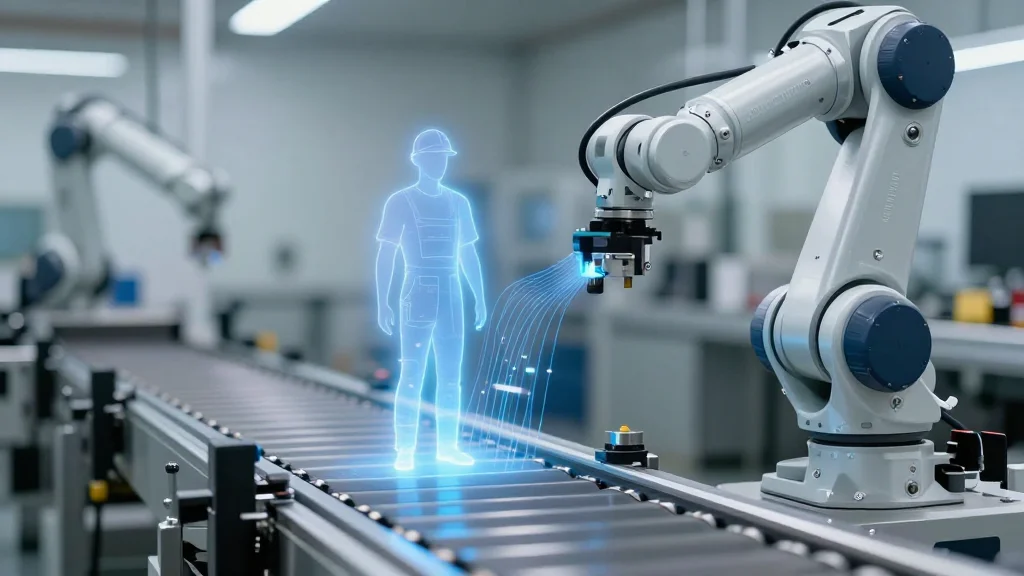
Korean Manufacturers Cut Labor Hours by Up to 92% with Digital Twins

Companies Mentioned
Why It Matters
The adoption of digital twins directly reshapes how companies forecast labor needs, a core function of HRTech solutions. By converting manual monitoring into automated, data‑driven processes, firms can reduce overtime costs, improve employee safety, and shift workforce composition toward more analytical roles. This transition accelerates the demand for HR platforms that can ingest IoT and digital‑twin data, turning equipment health metrics into predictive staffing models. Moreover, the Korean manufacturers' success sets a benchmark for other regions. If similar labor‑hour reductions are achieved globally, HRTech providers will see a surge in demand for integrated workforce‑analytics tools that bridge the gap between operational technology and human capital management, potentially redefining the competitive landscape of the industry.
Key Takeaways
- •Kia's Gwangmyeong EVO plant saved 3,750 labor hours annually, a 92% reduction.
- •Anomaly detection time fell from 120 minutes to 10 minutes using digital twins.
- •Samsung and SK hynix employ Nvidia Omniverse to optimize semiconductor production.
- •Hyundai Steel builds a digital‑twin gas‑leak response system for its cold‑rolling plant.
- •HR departments must redesign staffing models and upskill workers for data‑centric roles.
Pulse Analysis
The Korean rollout illustrates a tipping point where manufacturing efficiency gains intersect with human‑resource strategy. Historically, automation has displaced repetitive tasks, but digital twins add a layer of real‑time insight that reshapes labor planning itself. Companies that can translate machine‑level data into workforce forecasts will gain a competitive edge, as they can dynamically allocate staff, reduce idle time, and avoid costly overtime.
From a market perspective, the move pressures traditional HRTech vendors to expand their data ingestion capabilities. Platforms that previously focused on payroll and talent acquisition now need to integrate with OT systems, offering dashboards that correlate equipment health with labor utilization. Early movers—especially those with strong API ecosystems—are likely to capture new contracts from manufacturers eager to monetize their digital‑twin investments.
Looking ahead, the scalability of digital twins will hinge on data governance and cybersecurity. As factories expose more process data to cloud‑based analytics, the risk of industrial espionage rises, prompting tighter collaboration between HR, IT and security teams. The success of Korea’s pilots will serve as a case study for global manufacturers, and the ripple effect could accelerate a broader shift toward AI‑augmented workforce management across the supply chain.
Korean Manufacturers Cut Labor Hours by Up to 92% with Digital Twins
Comments
Want to join the conversation?
Loading comments...