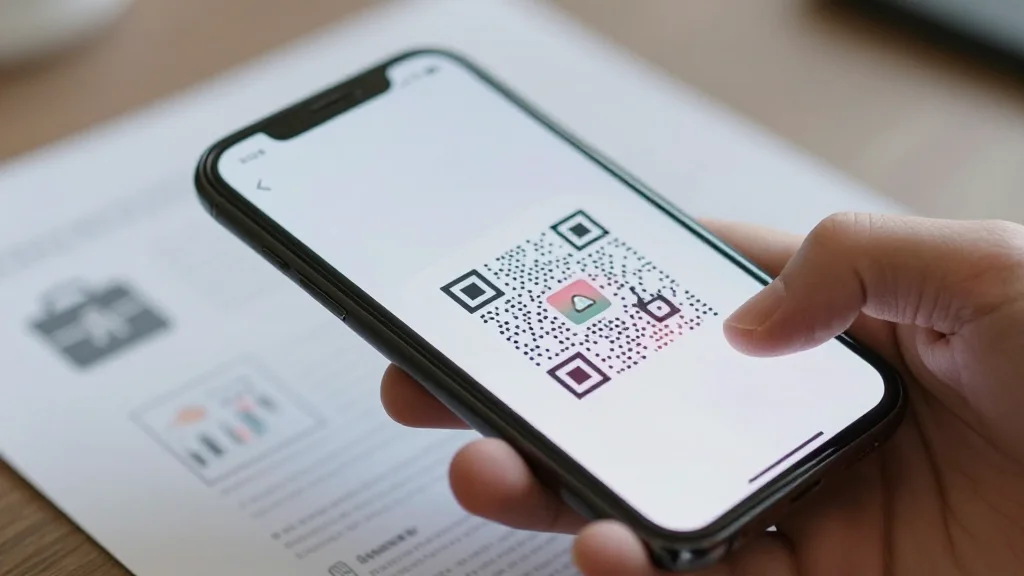
QR Code Phishing Targets Employee Performance Reviews, Raising HRTech Security Alarm

Companies Mentioned
Why It Matters
The QR‑code phishing campaign underscores a new frontier in HRTech security, where attackers exploit the convergence of mobile convenience and routine HR communications. Breaches of performance‑review data can lead to identity theft, wage fraud, and insider threats, compelling HR software vendors to rethink authentication flows and embed anti‑phishing safeguards. Moreover, the incident may prompt regulators to issue guidance on secure employee communications, potentially shaping compliance requirements for HR platforms worldwide. For enterprises, the risk extends beyond immediate credential theft. Compromised HR accounts can grant attackers access to payroll systems, benefits portals, and talent‑management tools, amplifying financial and reputational damage. Proactive measures—such as digital signing of HR emails, employee training on QR‑code risks, and integration of QR‑code verification APIs—could become industry standards, reshaping how HR departments interact with their workforce in a mobile‑first era.
Key Takeaways
- •Phishing emails mimic HR performance reviews and include a QR code that leads to credential‑stealing sites.
- •Messages cite a May 15 2026 deadline, use generic greetings, and originate from an unrelated domain (mario@toituresphenix.com).
- •The tactic, dubbed "quishing," leverages the difficulty of previewing QR links to bypass traditional email filters.
- •Security experts warn that HR platforms store highly sensitive data, making them attractive targets for such scams.
- •Mitigation steps include digital signing of HR communications, employee education on QR risks, and secure portal‑only links.
Pulse Analysis
The emergence of QR‑code phishing in HR communications reflects a broader shift in cyber‑attack vectors toward mobile‑first exploits. Historically, phishing relied on deceptive URLs; the adoption of QR codes adds a layer of opacity that traditional email security tools struggle to parse. For HRTech vendors, this signals an urgent need to embed QR‑code validation into their ecosystems—perhaps through cryptographic signatures that can be verified before a scan is allowed.
From a market perspective, the incident could accelerate demand for security‑focused HR solutions. Vendors that can demonstrate end‑to‑end encryption, MFA tied to device fingerprints, and AI‑driven anomaly detection for unusual access patterns will likely gain a competitive edge. Meanwhile, larger enterprise customers may renegotiate contracts to include stricter security SLAs, driving up the overall spend on HR cybersecurity services.
Looking ahead, regulators may codify best practices for employee communications, similar to the SEC's guidance on phishing awareness for financial firms. If legislation mandates verified sender domains or mandatory MFA for any HR‑related access, the industry could see a wave of compliance‑driven product upgrades. Companies that act now—by rolling out employee training, tightening email authentication (DMARC, SPF, DKIM), and eliminating QR‑only access for sensitive data—will not only avert immediate breaches but also position themselves as trusted custodians of employee information in an increasingly digital workplace.
QR Code Phishing Targets Employee Performance Reviews, Raising HRTech Security Alarm
Comments
Want to join the conversation?
Loading comments...