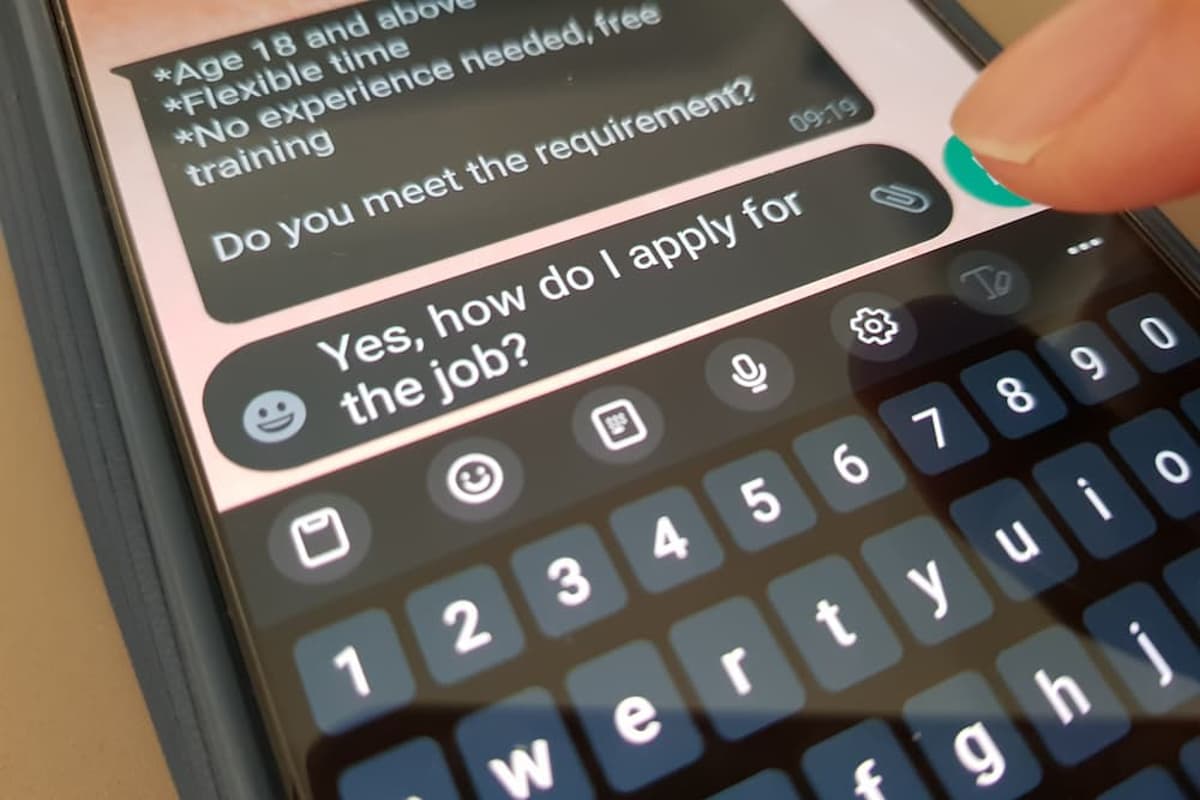
The Hidden Risks of AI-Driven Hiring: How Can HR Leaders Stay Ahead?
Why It Matters
Unchecked AI hiring fraud exposes companies to legal liability, data breaches, and reputational damage, making robust AI governance a board‑level priority.
Key Takeaways
- •75% of talent execs reported candidate fraud in past year
- •67% detected fabricated diplomas, certificates, or IDs
- •EU AI Act labels recruitment tools as high‑risk systems
- •New York, California, Colorado enforce strict AI hiring compliance
- •Black‑box hiring tools risk legal challenges without auditability
Pulse Analysis
The promise of AI in recruiting—speed, scale, and predictive matching—has quickly turned into a double‑edged sword. As organizations process thousands of applications daily, AI‑generated resumes and synthetic identities flood the pipeline. The i4cp survey underscores the magnitude: three‑quarters of senior talent leaders saw fraud in the last twelve months, with fabricated credentials and deceptive geographic claims topping the list. This surge erodes trust in automated screening and forces HR teams to confront a new class of enterprise risk that extends beyond traditional talent acquisition concerns.
Regulators are responding with unprecedented scrutiny. The European Union’s AI Act designates any system used for screening, interviewing, or performance evaluation as high‑risk, mandating impact assessments, bias testing, and continuous monitoring. In the United States, a patchwork of state laws—New York’s annual bias audits, California’s data‑retention mandates, and Colorado’s reasonable‑care standard—creates a compliance maze where the most restrictive jurisdiction often sets the baseline. Companies operating across borders must therefore build AI governance frameworks that satisfy both EU and U.S. requirements, integrating legal, IT, and privacy teams into a unified risk‑management structure.
Practically, HR leaders should prioritize transparency and vendor accountability. Contracts must secure audit rights, detailed documentation of training data, and clear indemnification clauses. Deploying AI‑driven fraud detection tools can help, but they must be calibrated to avoid bias and additional regulatory exposure. Meanwhile, basic safeguards—verified references, in‑person or live‑video interviews, and rigorous background checks—remain essential. When fraud is suspected, immediate suspension of access, data preservation, and cross‑functional investigation are critical to limit liability. By balancing AI’s efficiency gains with disciplined oversight, organizations can protect their talent pipelines and safeguard broader corporate reputation.
The hidden risks of AI-driven hiring: How can HR leaders stay ahead?
Comments
Want to join the conversation?
Loading comments...