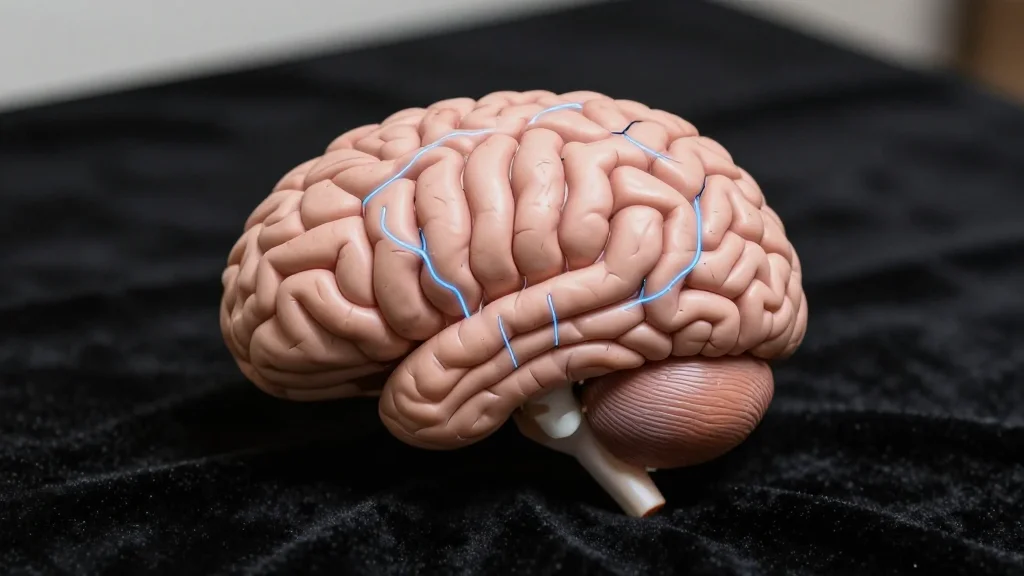
David Eagleman Links Dreaming, Ulysses Contracts, and Plasticity to Boost Self‑Discipline

Why It Matters
Eagleman's synthesis bridges hard neuroscience with everyday self‑improvement tactics, offering a scientifically grounded alternative to anecdotal advice. By framing dreaming, pre‑commitment, and plasticity as interlocking levers, he provides a roadmap for individuals, educators, and product designers to enhance cognition, resilience, and habit formation. In a world where mental‑performance tools are proliferating, grounding these tools in peer‑reviewed research can elevate the credibility of the Human Potential sector and guide responsible innovation. Moreover, the interview spotlights systemic issues—sleep hygiene, environmental enrichment, and equitable access to neuro‑enhancement—that shape collective capacity. Policymakers and health insurers may look to these findings when crafting guidelines for workplace wellness programs or public health campaigns, potentially shifting large‑scale investments toward interventions that preserve brain health across the lifespan.
Key Takeaways
- •David Eagleman explains dreaming protects the visual cortex during REM sleep.
- •Ulysses contracts are pre‑commitment tools that lock in future self‑discipline.
- •Brain plasticity enables continuous learning; lack of stimulation can cause lasting deficits.
- •Self‑improvement market projected at $11 billion in 2026, with growing demand for neuroscience‑backed tools.
- •Ethical debate intensifies over equitable access to neuro‑enhancement technologies.
Pulse Analysis
Eagleman's interview arrives at a pivotal moment for the Human Potential industry, which is transitioning from hype‑driven gadgets to evidence‑based interventions. Historically, self‑help advice leaned heavily on psychology without rigorous neurobiological validation. By anchoring concepts like habit formation and learning in concrete brain mechanisms—REM‑driven maintenance, pre‑commitment circuitry, and synaptic remodeling—Eagleman provides a scientific scaffolding that could legitimize premium products such as neuro‑feedback headsets and AI‑driven sleep coaches.
The competitive landscape will likely see incumbents like Headspace and Calm expanding into sleep‑optimization modules that explicitly reference REM protection, while startups focused on habit‑locking (e.g., commitment‑wallet apps) may integrate biometric verification to enforce contracts. However, the ethical dimension cannot be ignored: if only high‑income users can afford sophisticated neuro‑enhancement, the gap in cognitive capital could widen, prompting regulators to consider standards for transparency and accessibility.
Looking ahead, the next wave may involve hybrid platforms that combine real‑time EEG monitoring with AI‑generated personalized Ulysses contracts, dynamically adjusting constraints based on detected stress or fatigue. Success will hinge on rigorous clinical validation, user trust, and the ability to translate Eagleman's academic insights into scalable, user‑friendly experiences. The interview thus serves as both a catalyst and a cautionary note for investors and innovators eyeing the next frontier of human potential.
David Eagleman Links Dreaming, Ulysses Contracts, and Plasticity to Boost Self‑Discipline
Comments
Want to join the conversation?
Loading comments...