Everest Aspirant Andy Pemberton Turns Farm Into High‑Altitude Training Lab

Why It Matters
Pemberton’s blend of farm‑based obstacle training and endurance workouts illustrates a growing belief that human potential at extreme altitudes hinges on both physical stamina and mental composure. By treating Everest preparation like an Ironman program, climbers are redefining the limits of what non‑professional athletes can achieve, potentially widening participation in high‑risk adventure sports. The shift also pressures guiding companies to offer more holistic coaching that addresses confidence, stress management, and physiological resilience. Moreover, the rise of data‑driven conditioning—tracking heart‑rate variability, lung capacity, and psychological calm—signals a broader move toward quantifying mental fortitude. If successful, these methods could spill over into other high‑performance domains, from military special operations to space tourism, where the interplay of body and mind determines mission outcomes.
Key Takeaways
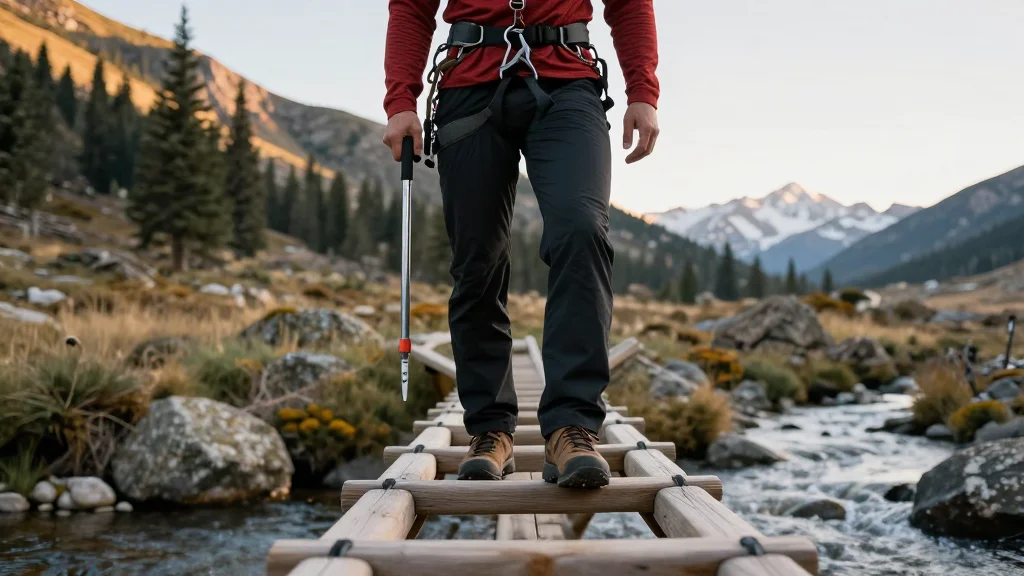
- •Andy Pemberton, 58, built a 25‑foot ladder bridge on his Colorado farm for Everest prep.
- •Pemberton hired a coach in early 2025 and added winter climbs on Longs Peak to his regimen.
- •2025 saw Nepal grant 517 foreign climbing permits, many to first‑time high‑altitude climbers.
- •Everest coaching industry now markets six‑ to twelve‑month endurance‑focused workout plans.
- •Coach Scott Johnson stresses that legs and lungs respond the same to a 10K run as to a high‑altitude climb.
Pulse Analysis
The emergence of farm‑based, endurance‑centric training for Everest aspirants reflects a democratization of extreme‑altitude climbing. Historically, summit attempts were the preserve of seasoned alpinists with years of technical ice‑climbing experience. Today, the commercial guiding boom has lowered entry barriers, prompting a surge of athletes who rely on sports‑science protocols rather than traditional mountaineering apprenticeships. This shift is reshaping the risk calculus: while physical conditioning reduces fatigue‑related accidents, the lack of deep technical skill could introduce new hazards on complex terrain like the Khumbu Icefall.
From a market perspective, the convergence of adventure tourism and performance analytics creates a lucrative niche. Coaching firms are packaging data‑driven programs that promise measurable confidence gains, a selling point for clients who view the summit as a personal branding milestone. As more climbers adopt these regimens, we can expect a feedback loop where success stories—real or perceived—fuel demand for even more sophisticated training tools, such as virtual reality simulations of glacier navigation.
Looking ahead, the critical question is whether this endurance‑first model can sustain safe summit rates as participation climbs. Regulators and guiding companies may need to tighten prerequisite skill assessments, ensuring that mental resilience is matched by technical competence. If the industry balances these elements, the human potential narrative—pushing physical and psychological boundaries—will continue to expand, setting a precedent for other extreme‑environment pursuits.
Everest Aspirant Andy Pemberton Turns Farm Into High‑Altitude Training Lab
Comments
Want to join the conversation?
Loading comments...