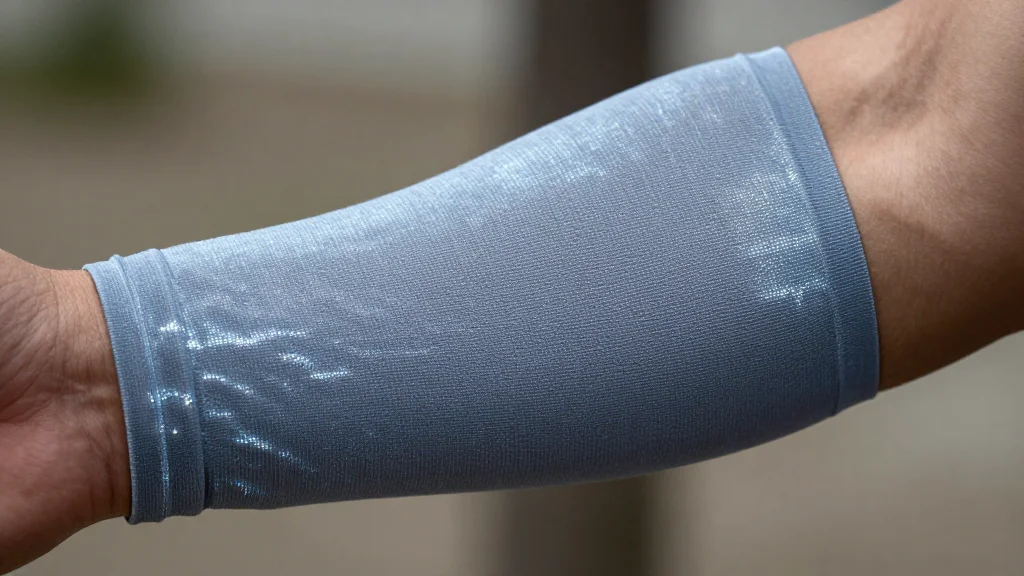
Korean Institute Unveils Fabric Robot That Boosts Strength 40%

Why It Matters
The KIMM fabric robot represents a tangible step toward mainstream human‑augmentation that does not rely on heavy, power‑hungry exoskeletons. By embedding actuation directly into clothing, the technology could democratize strength assistance, making it accessible to seniors, workers, and athletes alike. In societies facing rapid aging, such solutions could reduce injury rates, extend independent living, and alleviate healthcare costs. Beyond personal health, the development signals a shift in the wearable‑robot market toward textile‑based actuation, potentially spurring new supply chains for SMA yarn and prompting standards for safety and performance. If commercialized, the fabric could catalyze a wave of smart garments that blend protection, performance, and augmentation in everyday apparel.
Key Takeaways
- •KIMM’s wearable robot fabric can increase wearer strength by up to 40% in lab tests.
- •Fabric uses 25 µm shape‑memory alloy fibers that contract at 40‑50 °C.
- •Prototype is lightweight, quiet, and consumes minimal power compared to motor‑driven exosuits.
- •Researchers aim to launch garment‑style prototypes within 18 months, targeting elderly and industrial users.
- •The technology could reshape the human‑augmentation market by moving actuation from rigid hardware to textile.
Pulse Analysis
KIMM’s fabric‑muscle breakthrough arrives at a crossroads where demand for assistive wearables is rising but existing solutions remain impractical for mass adoption. Traditional exoskeletons have carved out niche markets—military, rehabilitation, and high‑performance sports—yet their bulk and cost have kept them out of everyday use. By leveraging shape‑memory alloy yarn, KIMM sidesteps the need for external power units and heavy actuators, aligning with a broader industry trend toward soft robotics and e‑textiles.
Historically, soft‑robotic actuators have struggled with force density and control precision. The 40% strength gain reported by KIMM suggests a competitive force output that could rival early‑generation rigid exosuits, while retaining the comfort of clothing. If the manufacturing process scales as promised, economies of scale could drive down unit costs, addressing Dr. Park’s call for affordability. This could open up a new segment of consumer‑grade strength‑enhancing apparel, akin to how fitness trackers moved from niche gadgets to ubiquitous accessories.
However, challenges remain. Thermal actuation at 40‑50 °C must be carefully managed to avoid user discomfort, especially in hot climates or during prolonged activity. Long‑term durability of SMA yarn under repeated heating cycles is untested, and regulatory pathways for medical‑grade assistive garments are still evolving. Competitors in the soft‑robotics space—such as companies developing pneumatic artificial muscles or electroactive polymers—will likely accelerate their own research, creating a competitive race to balance power, comfort, and cost.
If KIMM can secure a commercial partner and validate the technology in real‑world settings, the ripple effects could be profound: a new class of smart workwear that reduces fatigue, a line of senior‑care garments that extend independence, and a platform for future integrations like haptic feedback or biometric monitoring. The coming year will be decisive in whether this fabric robot moves from laboratory curiosity to a cornerstone of the human‑potential ecosystem.
Korean Institute Unveils Fabric Robot That Boosts Strength 40%
Comments
Want to join the conversation?
Loading comments...