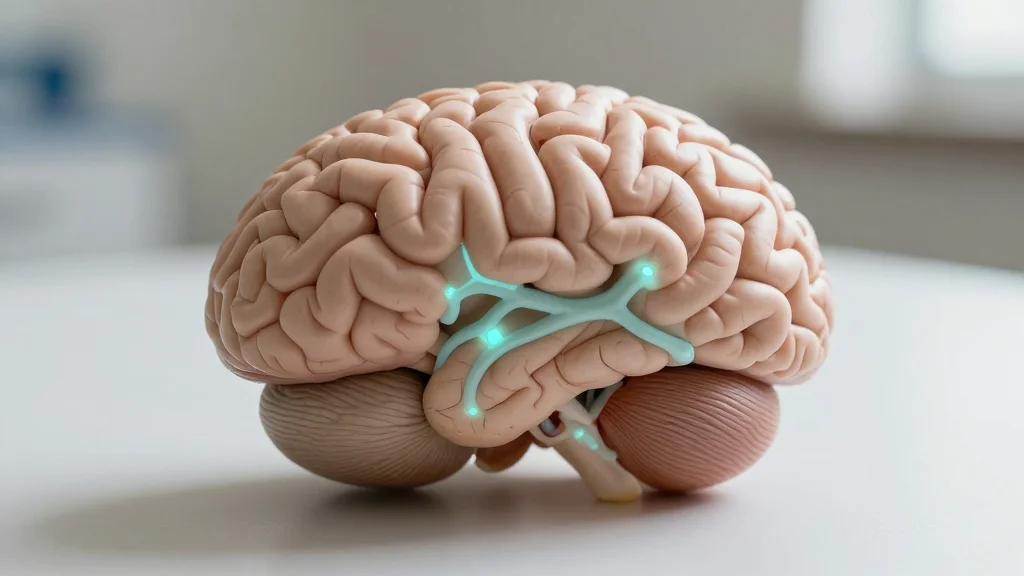
New Studies Reveal Environment and Astrocytes as Key to Concentration and Flow

Why It Matters
Understanding that concentration is heavily influenced by external factors and astrocyte health reframes the conversation around human potential from a purely will‑based narrative to one that incorporates environment, biology, and psychology. This shift empowers educators, employers, and policymakers to design interventions—such as greener office spaces and air‑quality standards—that can elevate collective cognitive capacity. Moreover, linking these neurobiological insights to the well‑studied flow state bridges the gap between hard science and experiential psychology, offering a comprehensive roadmap for individuals seeking sustainable peak performance without relying on unsustainable self‑discipline alone.
Key Takeaways
- •Two German studies identify 73 environmental factors that affect brain age and concentration.
- •Astrocytes are shown to directly regulate focus by filtering distractions.
- •Air pollution and lack of green space are the most harmful environmental variables.
- •Mihály Csíkszentmihályi describes flow as a state where the ego "falls away" and time "flies."
- •Integrating environmental upgrades with flow‑state techniques could boost workplace productivity.
Pulse Analysis
The convergence of exposome research and flow psychology marks a pivotal moment for the human potential sector. Historically, performance optimization has leaned on individual training regimens and mindset coaching. By demonstrating that the surrounding environment and glial cell health are equally, if not more, critical, these studies compel a reallocation of resources toward systemic changes—think air filtration, biophilic design, and potentially astrocyte‑targeted supplements.
From a market perspective, this opens new revenue streams for firms specializing in workplace wellness, environmental monitoring, and neuro‑enhancement therapeutics. Companies that can quantify the ROI of greener office layouts or astrocyte‑supporting nutraceuticals will likely gain a competitive edge. At the same time, the findings may pressure regulators to set stricter indoor air quality standards, echoing past public‑health campaigns that linked environment to health outcomes.
Looking ahead, the real test will be translating these laboratory insights into scalable interventions. If longitudinal data confirm that modest environmental tweaks reliably increase flow incidence and performance metrics, we could see a paradigm shift where the default work environment is engineered for optimal brain health, rather than merely being a backdrop for human effort.
New Studies Reveal Environment and Astrocytes as Key to Concentration and Flow
Comments
Want to join the conversation?
Loading comments...