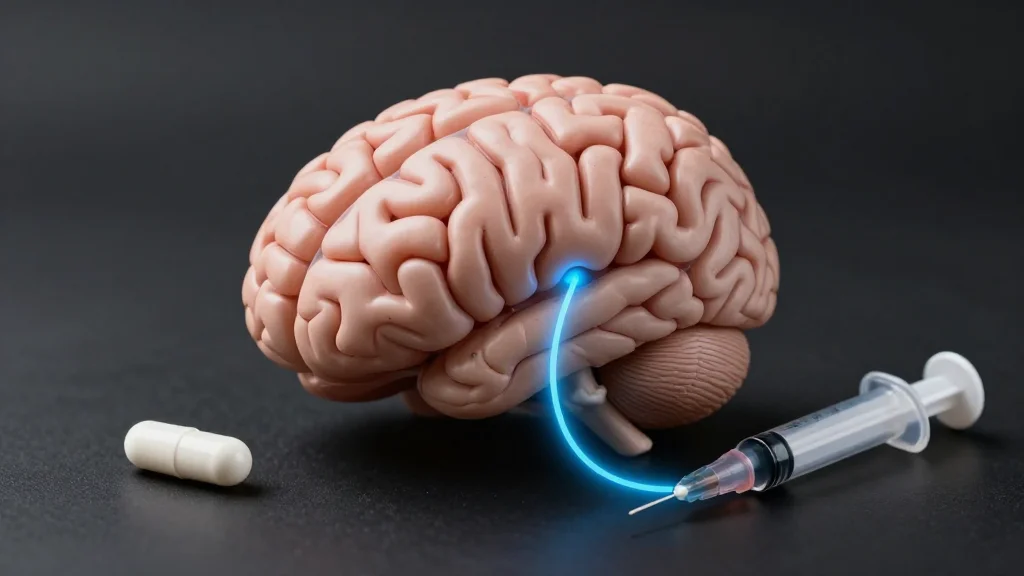
Study Finds Ozempic Reshapes Brain Networks in Months, Prompting Neuro‑Health Concerns

Why It Matters
The discovery that widely prescribed GLP‑1 drugs can alter brain circuitry challenges the prevailing view of these medications as peripheral appetite suppressants. If the neural changes affect reward processing, they could have downstream effects on motivation, mood, and even susceptibility to other addictive behaviors. Understanding these mechanisms is crucial for clinicians who must balance metabolic benefits against potential neuro‑psychological risks, and for regulators tasked with safeguarding long‑term public health. Beyond individual health, the findings could reshape how the biotech industry approaches drug design for metabolic disorders. Future therapies may need to target gut hormones without crossing the blood‑brain barrier, or they may be deliberately engineered to modulate brain circuits for broader therapeutic goals, such as treating substance use disorders. The debate underscores the importance of integrating neuroscience into the evaluation of drugs that were originally marketed for non‑neurological indications.
Key Takeaways
- •GLP‑1 drugs like Ozempic cross the blood‑brain barrier and bind to receptors in reward and salience networks.
- •Brain‑scan study shows a rapid increase in connections within the salience network after only a few months of treatment.
- •The drugs boost GABA activity, dampening dopamine spikes that drive food cravings, leading to the reported loss of “food noise.”
- •Experts warn that altering reward pathways could affect motivation, mood, and learning, though no cognitive deficits have been documented yet.
- •Regulators and clinicians are urged to incorporate neuro‑safety monitoring into future GLP‑1 drug trials and post‑marketing surveillance.
Pulse Analysis
The Ozempic brain‑rewiring story illustrates a broader shift in how we evaluate pharmaceuticals that were once thought to act solely on peripheral systems. Historically, weight‑loss drugs were judged on metabolic outcomes—blood sugar control, weight reduction, cardiovascular risk. This new evidence forces a re‑examination of the central nervous system as an active site of drug action, echoing past lessons from antidepressants and stimulants that later revealed complex neuro‑behavioral side effects.
From a market perspective, the findings could temper the explosive growth of GLP‑1 therapies, which have become multi‑billion‑dollar products for diabetes, obesity, and even experimental uses in neuro‑degeneration. Investors may demand more rigorous safety data, potentially slowing pipeline acceleration. Conversely, the ability of semaglutide to modulate reward circuitry could open a lucrative niche for neuro‑psychiatric applications, positioning GLP‑1 analogues as a platform for treating addiction or compulsive disorders.
Looking ahead, the key question is whether the brain changes are reversible after discontinuation or if they persist, creating a new baseline of neural function. Longitudinal studies will be essential to answer this, and they will likely shape prescribing guidelines, insurance coverage decisions, and public perception. In the meantime, clinicians must navigate a delicate balance: leveraging the powerful metabolic benefits of GLP‑1 drugs while remaining vigilant for subtle cognitive shifts that could affect patient quality of life.
Study Finds Ozempic Reshapes Brain Networks in Months, Prompting Neuro‑Health Concerns
Comments
Want to join the conversation?
Loading comments...