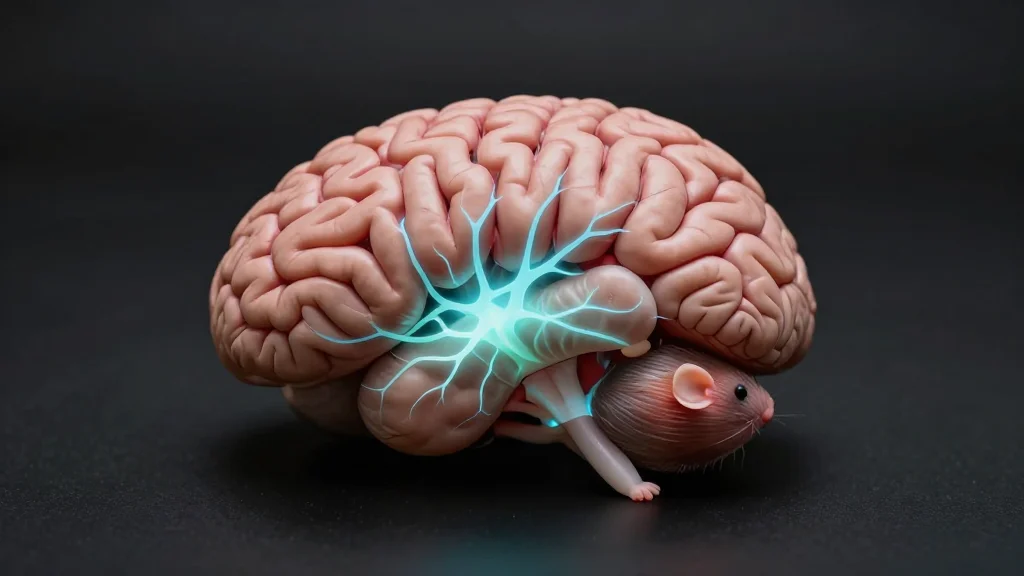
UCSF Study Reverses Memory Loss in Aging Mice by Cutting FTL1 Protein

Why It Matters
Reversing memory loss challenges the long‑standing belief that cognitive decline is irreversible, opening a new frontier for interventions aimed at extending mental performance into later life. For the Human Potential ecosystem, the ability to restore youthful brain function could shift the focus from disease treatment to proactive enhancement, influencing everything from healthcare policy to personal development strategies. Beyond individual benefits, the discovery could reshape public health economics by reducing the burden of dementia and age‑related cognitive disorders, which currently cost societies trillions of dollars annually. A successful translation would also validate the growing investment in molecular geroscience, encouraging further funding for research that targets the root causes of aging rather than its symptoms.
Key Takeaways
- •UCSF researchers lowered the protein FTL1 in aged mice, restoring memory performance to youthful levels.
- •Reduced FTL1 repaired hippocampal dendritic branching and improved spatial memory scores by 30%.
- •Senior author Saul Villeda, PhD, called the outcome “a reversal of impairments.”
- •Experts warn that mouse results may not directly translate to humans due to complexity of human brain aging.
- •UCSF aims to file a patent and seek biotech partnerships for human‑compatible FTL1 therapies.
Pulse Analysis
The FTL1 breakthrough arrives at a moment when the biotech industry is aggressively pursuing senolytics, NAD+ boosters, and epigenetic reprogramming as routes to longevity. Unlike those approaches, which primarily aim to halt or slow deterioration, FTL1 modulation promises an actual restoration of function. Historically, attempts to reverse neurodegeneration have stumbled on the brain’s limited capacity for regeneration; this study suggests that, at least in rodents, the barrier can be lowered by targeting a single molecular node.
From a market perspective, the discovery could catalyze a wave of venture capital into gene‑therapy platforms tailored for the central nervous system. Companies that have built expertise in adeno‑associated virus (AAV) delivery may find a ready-made use case, while traditional pharma could pivot toward small‑molecule inhibitors of FTL1 if the protein’s structure proves druggable. The competitive landscape will likely fragment between those pursuing direct gene suppression and those seeking downstream pathway modulation.
Looking ahead, the key determinant of impact will be the translational pipeline. If early‑phase human trials demonstrate safety and modest cognitive gains, the narrative could shift from speculative longevity to concrete cognitive enhancement, reshaping consumer expectations and regulatory frameworks. Conversely, failure to replicate the mouse results would reinforce skepticism about the feasibility of reversing brain aging, tempering the current optimism within the Human Potential community.
UCSF Study Reverses Memory Loss in Aging Mice by Cutting FTL1 Protein
Comments
Want to join the conversation?
Loading comments...