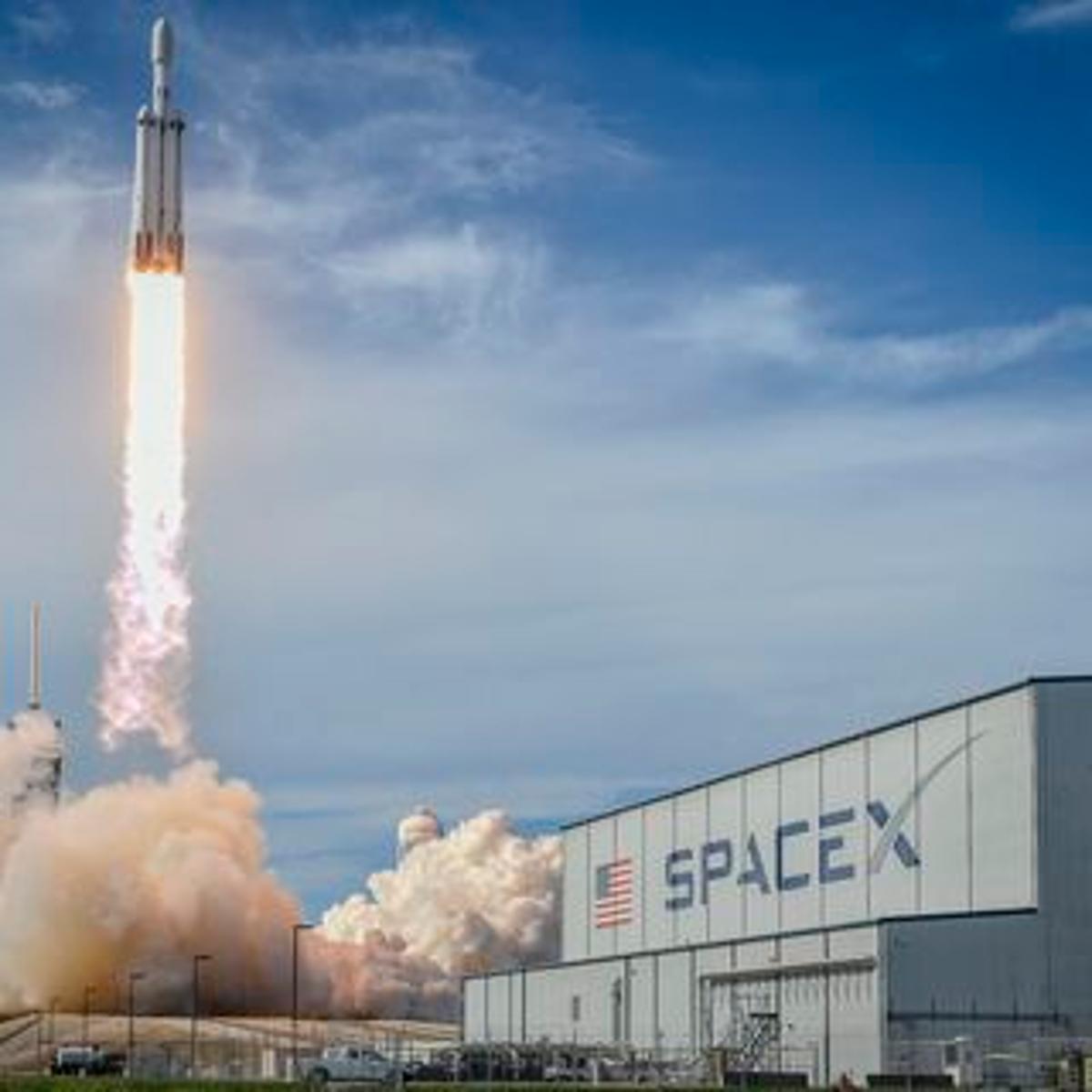
SpaceX Raises $75 Billion in Its IPO
Companies Mentioned


Why It Matters
The record‑size IPO underscores the growing appetite for private‑space assets and cements SpaceX’s financial clout, while Musk’s trillion‑dollar paper net worth reshapes benchmarks for billionaire wealth.
Key Takeaways
- •SpaceX IPO raised $75 billion, pricing 555.56 M shares at $135.
- •Valuation hits $1.77 trillion, making SpaceX among world’s most valuable firms.
- •Elon Musk retains $866 billion stake, becoming paper trillionaire with Tesla assets.
- •Offering oversubscribed; retail investors received unusually large allocations.
Pulse Analysis
The $75 billion public offering by SpaceX marks the largest U.S. IPO on record, eclipsing the previous high set by Saudi Aramco’s 2019 float. By pricing 555.56 million shares at $135, the launch pushed the company’s market capitalization to roughly $1.77 trillion, a valuation that rivals the combined worth of many Fortune 500 firms. Analysts attribute the lofty price to SpaceX’s robust launch cadence, its Starlink broadband network, and the promise of a fully reusable launch system that could reshape satellite deployment economics. The IPO also signals a broader shift as capital‑intensive aerospace ventures seek public‑market liquidity.
The offering was heavily oversubscribed, with retail investors receiving a surprisingly large slice of the allocation—a departure from the typical institutional‑dominated tech floats. This democratization of access reflects heightened public enthusiasm for space‑related assets and the growing perception of SpaceX as a growth engine rather than a speculative gamble. For the broader space sector, the infusion of public capital could lower financing costs for satellite constellations, lunar lander projects, and the upcoming Starship‑based missions, potentially accelerating timelines that previously relied on government contracts.
Looking ahead, SpaceX’s debut on Nasdaq under the ticker SPCX will provide a transparent price signal for its ambitious pipeline, from Starlink’s 5‑Gbps service rollout to Mars colonization plans. The capital raised is expected to fund the scaling of Starship production, expand the Starlink constellation, and support R&D for deep‑space propulsion. Investors will watch closely how the company balances commercial launch demand with long‑term exploration goals, while Musk’s retained $866 billion stake keeps him aligned with shareholder interests. The IPO may also set a precedent for other private aerospace firms, such as Blue Origin, to consider public listings.
SpaceX raises $75 billion in its IPO
Comments
Want to join the conversation?
Loading comments...