
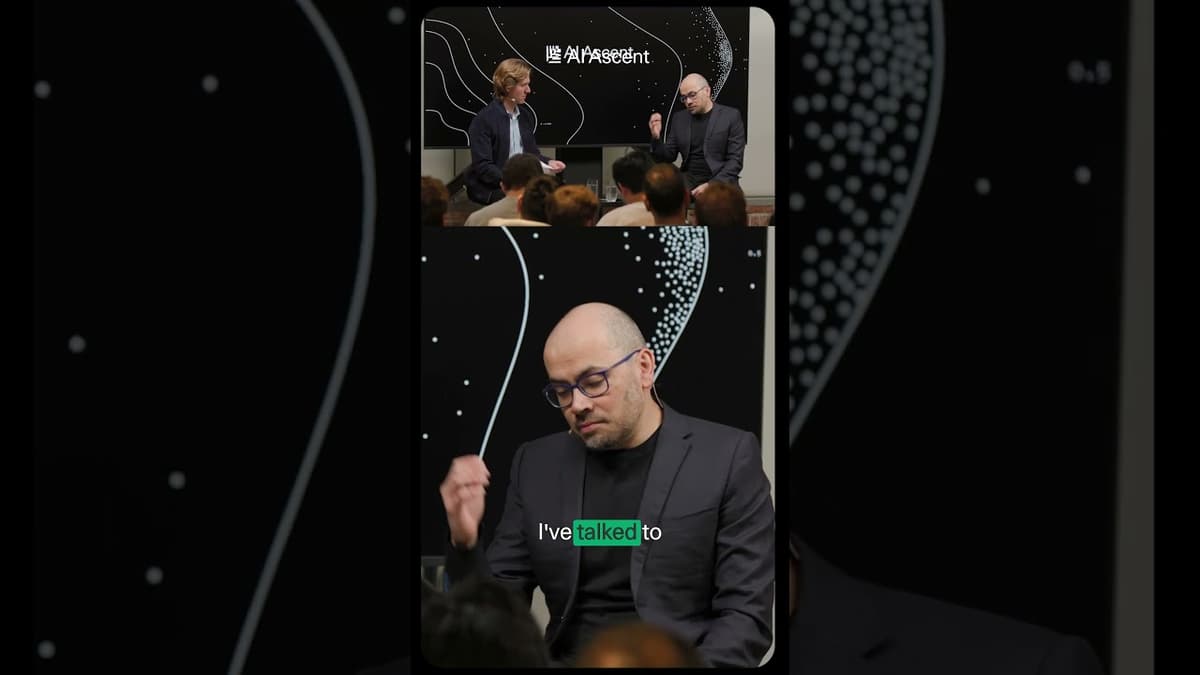
Will AI Ever Actually Be Conscious? Demis Hassabis, Google DeepMind
Demis Hassabis explores whether artificial systems could ever be truly conscious, emphasizing that consciousness remains an ill‑defined philosophical concept. He outlines core components—self‑awareness, a sense of self versus other, and temporal continuity—as likely necessary but not sufficient conditions. Hassabis distinguishes between behavioral mimicry and genuine experience, noting that AI may soon exhibit actions indistinguishable from conscious beings, yet it lacks the biological substrate that underpins human phenomenology. He argues that behavior alone cannot confirm consciousness, echoing long‑standing philosophical debates. Referencing conversations with philosophers, including the late Daniel, Hassabis points out that we assume others are conscious because they behave similarly and share our substrate. This substrate argument creates a barrier to accepting artificial consciousness, as machines operate on fundamentally different hardware. The discussion underscores the challenge of creating metrics for experiential consciousness in post‑AGI systems and highlights the broader implications for AI safety, ethics, and regulation. Without a clear definition, claims of machine consciousness remain speculative, urging the field to develop new theoretical and empirical tools.
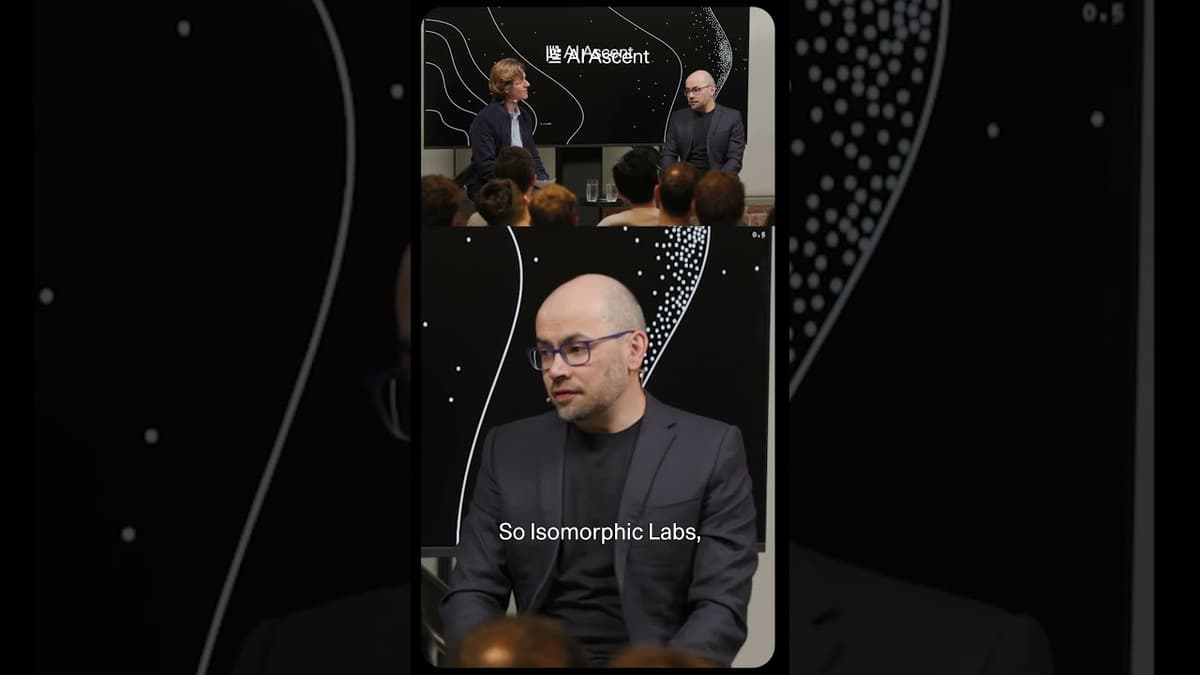
Drug Discovery From 10 Years to Days | Demis Hassabis, Google DeepMind
Demis Hassabis, CEO of DeepMind, outlined how artificial intelligence is poised to transform drug discovery through Isomorphic Labs, a new spin‑out focused on chemistry and biochemistry. Building on AlphaFold’s breakthrough in protein‑structure prediction, the venture seeks to close the loop...
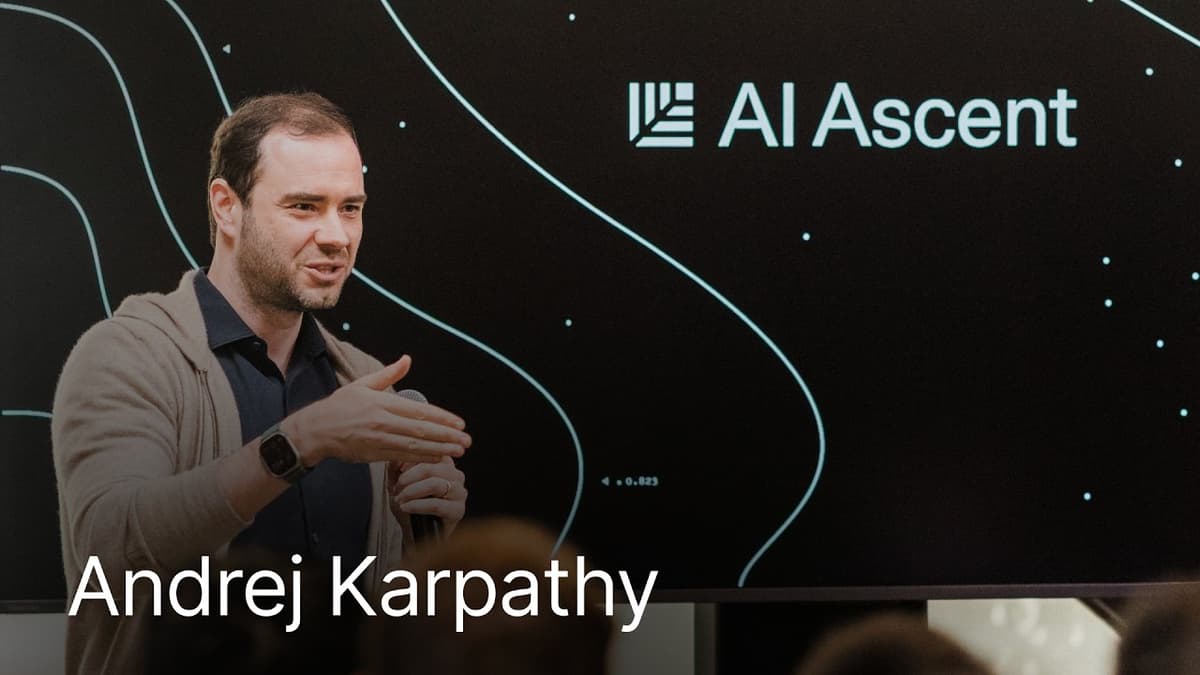
Andrej Karpathy: From Vibe Coding to Agentic Engineering
Andrej Karpathy opened the conversation by describing a personal crisis: for the first time he feels "more behind" as a programmer because large‑language‑model agents now write, debug, and even deploy code with minimal human correction. He calls this phenomenon "vibe...
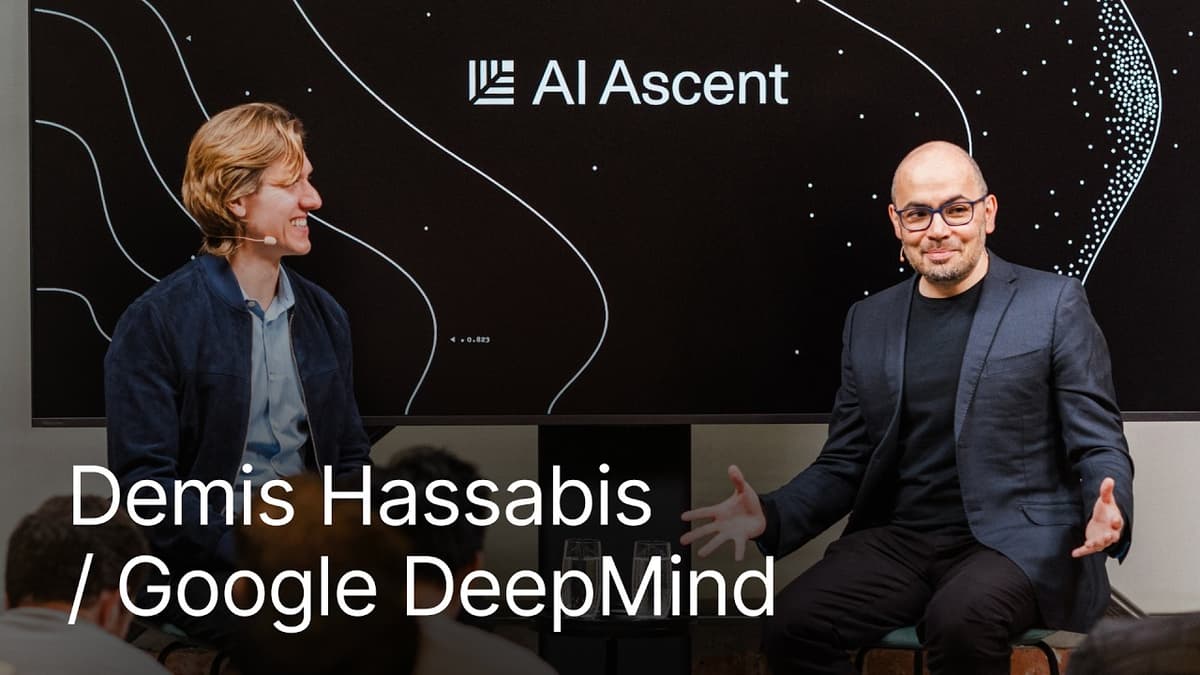
Demis Hassabis on Building DeepMind, AlphaFold, and the Final Stretch to AGI
Demis Hassabis sat down to recount the evolution of DeepMind—from his teenage fascination with AI, through a stint as a game developer, to the creation of a company aimed at building artificial general intelligence. He describes how early games...
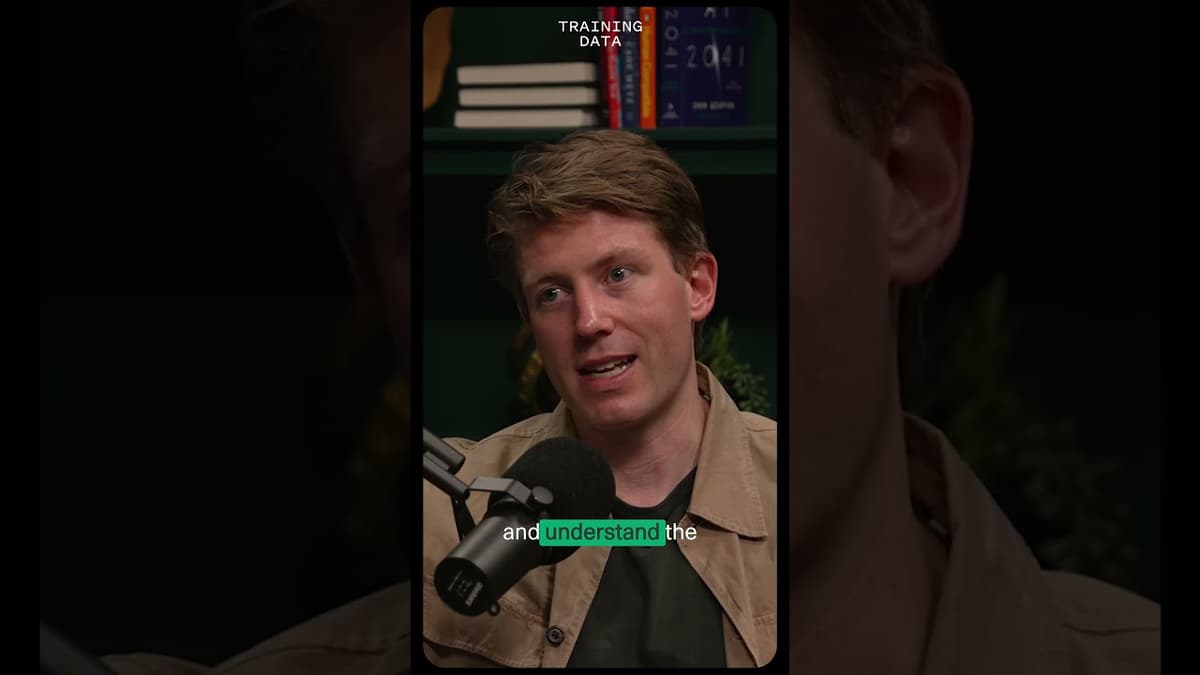
"If You Are Just Going on Vibes, You Will Fail" | Profound CEO James Cadwallader #ai #podcast
James Cadwallader, CEO of Profound, argues that marketers can no longer rely on gut feelings; they must harness AI‑powered platforms to stay visible in the emerging AI‑first ecosystem. He stresses that understanding how large language models cite sources and mention a...
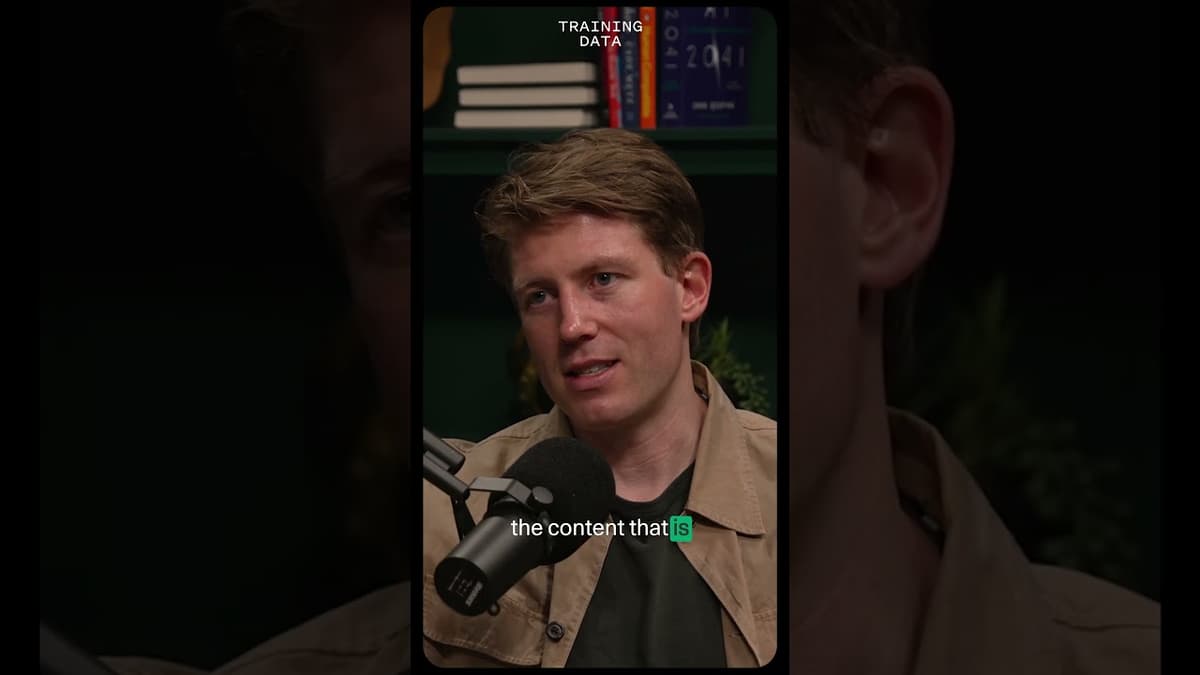
A "Dead Internet" Could Happen Within 3 Years | Profound CEO James Cadwallader #ai #podcast
In a recent podcast, Profound CEO James Cadwallader warned that the internet could become “dead” within three years as AI supplants human browsing. He argues that as users turn to conversational agents for answers, traffic to traditional websites will plummet, eroding...

MIT’s President on One of AI’s Biggest Blind Spots
MIT President L. Ruth Haas addressed the biggest blind spot in artificial intelligence: the human factor. She emphasized that MIT’s mission is to train graduates who use AI as a tool to amplify performance, not as a substitute for creative thought. The conversation...
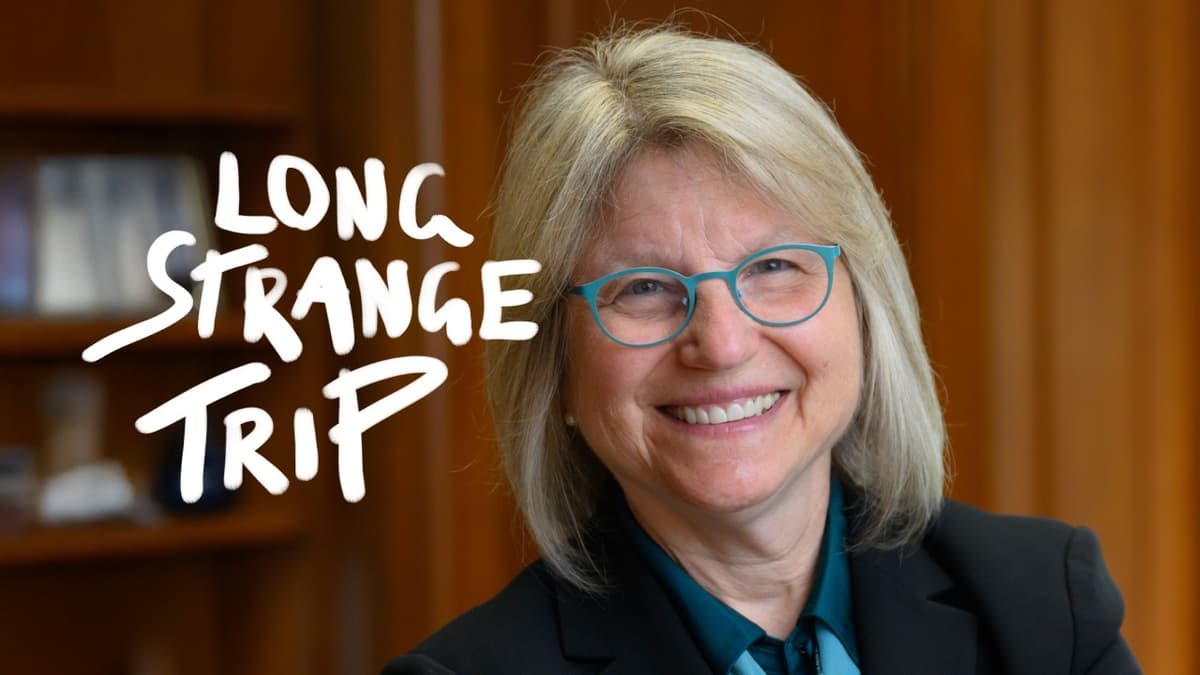
Does Education Matter in the Age of AI? MIT President Sally Kornbluth
In a candid conversation, MIT President Sally Kornbluth argues that meritocracy and relentless excellence remain essential, even as artificial intelligence reshapes education and industry. She emphasizes that MIT’s reputation stems from a disciplined hiring philosophy—only the very best faculty, staff,...

ChatGPT Used 65 Web Pages to Find a Showerhead. Profound CEO James Cadwallader
James Cadwallader, CEO of Profound, illustrated how generative AI agents now scrape the web far more extensively than human users. He recounted using ChatGPT to locate a showerhead for his New York apartment, noting that the model consulted 65 distinct...

AI Didn't Change the Front Door. The Visitor Changed. Profound CEO James Cadwallader #ai #podcast
The video highlights a fundamental platform shift in marketing: the traditional blue‑link search model is giving way to probabilistic AI responses. Instead of users clicking through lists of links, AI agents such as ChatGPT or Claude now act as the...

From SEO to Agent-Led Growth: Profound's James Cadwallader
The conversation centers on the emergence of "agent‑led growth," where large language model agents like ChatGPT, Gemini, and Claude have become the new front‑door to the internet. Profound’s James Cadwallader argues that marketers who ignore these agents are effectively invisible,...

Roelof Botha: From Command-and-Control to Ground-Truth Signals #ai #founders
In a recent talk, Sequoia Capital partner Roelof Botha argues that the prevailing command‑and‑control model is eroding productivity and obscuring truth within growing companies. Botha points out that hierarchical politics and opaque decision‑making replace the clear, data‑driven signals that early‑stage founders...

Jack Dorsey: How to Build a Board That Actually Helps Your Company #podcast #ceo
Jack Dorsey discusses how founders can construct a board that truly adds value to the business, its employees, investors and customers. He stresses that the first board should be the investors themselves, treating them as hires you cannot fire, and that...

Oura’s Tom Hale: What People Don’t Tell You About Being CEO
The interview with Tom Hale, CEO of Oura, pulls back the curtain on what it really means to lead a mid‑size tech company. Hale recounts a near‑fatal snowmobile accident that sparked a personal reckoning, prompting him to pursue the CEO...

AI Meets Biochemistry: Redefining the Lab with Robotic Experiments
The video outlines a Stanford‑led experiment where a reasoning‑type AI model was paired with a fully automated robotic laboratory to tackle a classic biochemistry challenge—self‑free protein synthesis, a process that extracts cellular contents and adds DNA to produce target proteins. The...

Greetings, Earthlings: Philip Johnston of Starcloud on Data Centers in Space
The interview with Philip Johnston, founder and CEO of StarCloud, explores why building data centers in orbit could become the dominant model for future compute, especially as SpaceX’s Starship drives launch costs toward a few hundred dollars per kilogram. Johnston argues...

The First Line of Your Job: Default to AI
The video details how a traditionally non‑AI firm transformed into an AI‑native organization by instituting a company‑wide hackathon and redefining its performance expectations. Leaders encouraged employees—ranging from home‑renovation managers (HPMs) to a general contractor—to experiment with generative AI tools such...

The People Who Become Founders “Because It’s Cool” Always Fail
The video argues that founders who chase entrepreneurship because it looks cool are destined for failure, while many of the most successful startup leaders are immigrants driven by necessity rather than glamour. It highlights how a lack of safety nets...

Physics Gets a Vote: Nominal Cofounders on Hardware Development in an AI World
The interview spotlights Nominal, an all‑in‑one AI and data platform designed to modernize hardware engineering by centralizing test data and accelerating development cycles. As the U.S. re‑industrializes, companies across aerospace, defense, robotics and autonomy are racing to shorten product timelines,...
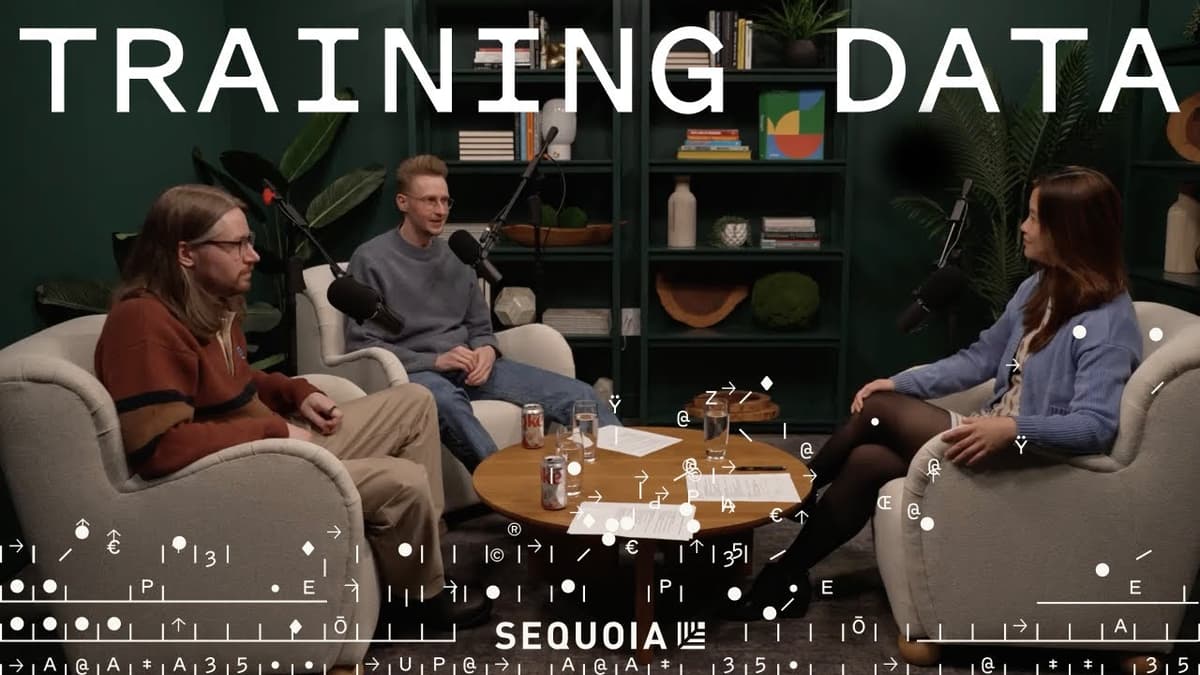
Building the GitHub for RL Environments: Prime Intellect's Will Brown & Johannes Hagemann
Prime Intellect’s founders, Will Brown and Johannes Hagemann, unveiled a vision to turn reinforcement‑learning environments into a GitHub‑style marketplace, making the same infrastructure that powers leading AI labs accessible to startups, enterprises, and independent researchers. Their Lab platform bundles compute...

Don't Mistake High Volume for Real Market Size
Related, and also worth remembering: make sure you aren't chasing a small market masquerading as a large market. Big transaction volume doesn’t always translate to real market opportunity for startups.
Making the Case for the Terminal as AI's Workbench: Warp’s Zach Lloyd
In a candid interview, Warp CEO Zach Lloyd makes the case that the traditional terminal is re‑emerging as the central workbench for AI‑driven software development. He argues that the terminal’s time‑based, text‑in‑text‑out nature aligns perfectly with agentic workflows, allowing developers...

Balance Finite Wins with Infinite Growth Strategies
Businesses must play both finite and infinite games. Finite games have known players, rules, and objectives - the goal is to win. Landing a sale. Hitting a milestone. Infinite games are timeless and have unknown players, rules, and objectives - the goal...
How Ricursive Intelligence’s Founders Are Using AI to Shape The Future of Chip Design
The video introduces Recursive Intelligence, founded by Anna Goldie and Aalia Mirhoseni, and explains how they are applying advanced AI techniques to the entire chip‑design workflow. Their mission is to eliminate the long, asymmetric design cycle that currently limits the...

Relentless Problem‑Solving Trumps Mere Founder‑Problem Fit
The best founders are relentless problem solvers. They have founder-problem fit; but more importantly, they have an innate desire to just keep solving whatever the next problem is. Founder-problem fit matters. But relentless problem-solving wins.
Palo Alto Networks CEO Nikesh Arora on the Virtues of Being an Outsider
The interview with Palo Alto Networks CEO Nikesh Arora centers on how outsider CEOs can drive growth by daring to "swing big" and building products around a clear, long‑term vision rather than merely responding to early customer requests. Arora stresses...

General AI Learning Enables Robots in Unseen Environments
It’s easy to normalize rapid progress, but it’s worth pausing to appreciate how far we’ve come. We now have systems that: 🧠 learn end-to-end 📚 transfer knowledge across domains 🌍 operate in new environments with no explicit programming From vision to language to robotics, this...
Training General Robots for Any Task: Physical Intelligence’s Karol Hausman and Tobi Springenberg
Physical Intelligence is pioneering robotic foundation models that promise any robot can learn any task. By abandoning the classic perception‑planning‑control stack in favor of end‑to‑end reinforcement learning, the company’s Pi‑Star 0.6 model can ingest raw sensor data and instructions, then directly...

Hard Mode: Hypergrowth From Europe with Mati (ElevenLabs) and Anton (Lovable)
The video is a deep‑dive conversation with Mati, co‑founder of ElevenLabs, and Anton, co‑founder of Lovable, two European CEOs who are navigating hyper‑growth in the AI‑driven product space. The host frames the discussion around building technology for the “99%” –...

Teach Decision‑Making, Not Just Math or AI
The latest on Outlier's Path - Being Right vs. Getting It Right -- During Thanksgiving Break, I found joy at several friends' and family gatherings. I've learned to sit between the adults' table and the kids' table. The conversations at that intersection...

Prediction Markets Go Mainstream with Kalshi’s New Asset Class
From fringe to mainstream, prediction markets are now part of everyday culture. @Kalshi has created a new asset class and fundamentally changed how people engage with future events. Congrats to @mansourtarek_, @luanalopeslara & team. @Sequoia is proud to be on your...
Why IDEs Won't Die in the Age of AI Coding: Zed Founder Nathan Sobo
The interview with Nathan Sobo, founder of the Rust‑based IDE Zed, tackles the hot question of whether integrated development environments are becoming obsolete in the age of AI‑driven coding assistants. Sobo argues that, despite the rise of terminal‑centric, conversational tools,...
Bolt Ft. Markus Villig - From Bootstrapping in Estonia to a Global Leader in Mobility
Bolt founder Markus Villig recounts the company’s evolution from a modest, €5,000 boot‑strap in Tallinn to the leading mobility platform across Europe, the Middle East and Africa. The narrative begins with his teenage frustration over unreliable, cash‑only taxis and a...
How End-to-End Learning Created Autonomous Driving 2.0: Wayve CEO Alex Kendall
In a recent interview, Wayve CEO Alex Kendall outlined the company’s vision of moving from the traditional, hand‑engineered autonomous‑driving stack (AV 1.0) to an end‑to‑end neural‑network architecture he calls AV 2.0. Wayve’s ambition is to become an embodied AI foundation model...

Parker Conrad’s Revenge Fantasy
Parker Conrad, the CEO of HR‑tech firm Rippling, says the company was born out of a "revenge fantasy" after his violent ouster from Zenefits, a narrative that fueled his early drive. He recounts the grueling fundraising process, noting how investors...
From Early Failures to ‘Clash of Clans’ and ‘Brawl Stars’ - Supercell Ft Ilkka Paananen
Supercell was founded on a reverse‑hierarchy model that puts game‑development teams, dubbed "cells," in charge of vision, a philosophy born from co‑founder Ilkka Paananen’s belief that developers should be the company’s superstars. After an early Facebook MMO, Gunshine, showed promise...

OpenAI Sora 2 Team: How Generative Video Will Unlock Creativity and World Models
OpenAI’s Sora team unveiled Sora 2, a next‑generation generative video model that uses diffusion transformers and space‑time tokens to simulate entire video sequences with physics‑consistent behavior. By treating video as a world simulator, Sora 2 can maintain object permanence and produce realistic...
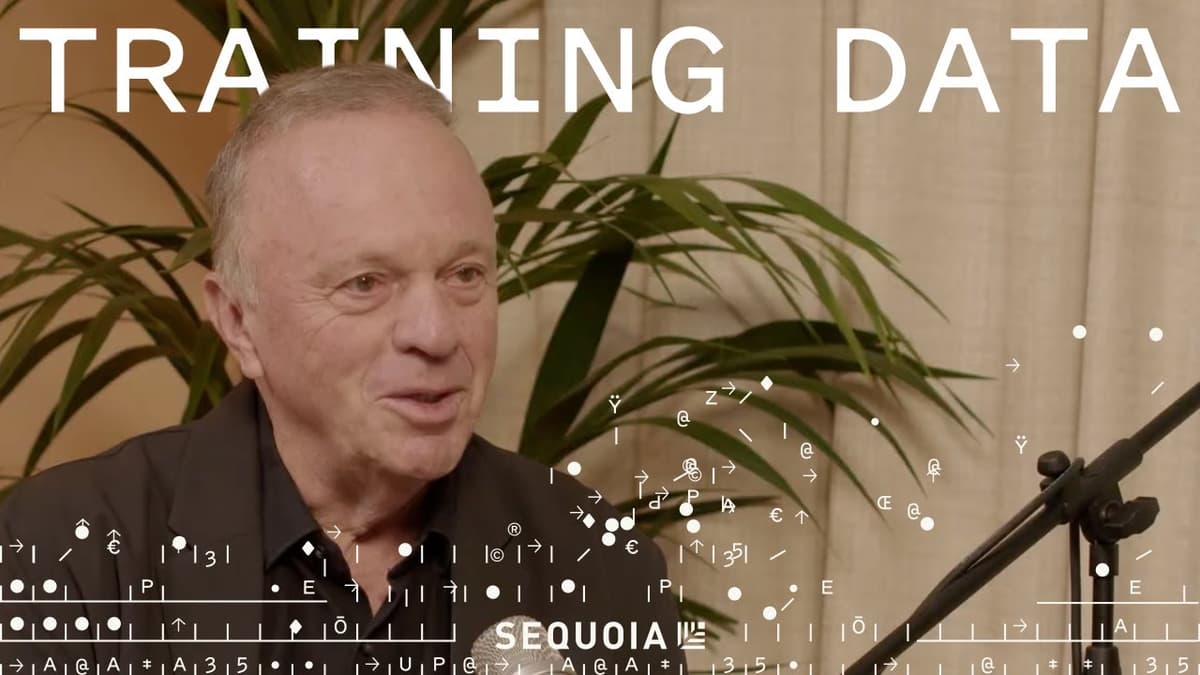
Nvidia CTO Michael Kagan: Scaling Beyond Moore's Law to Million-GPU Clusters
NVIDIA CTO Michael Kagan said the AI compute frontier has shifted from squeezing transistors on a chip to stitching thousands—ultimately millions—of GPUs into single, rack‑scale machines connected by high‑performance networks. He credited Mellanox’s interconnect technology (now part of NVIDIA) with...

Sequoia Backs AI-Driven Founders to Reshape Industries
Today, we're launching @Sequoia's latest seed and venture funds to partner with outlier founders at the start of their journey. There's never been a more exciting time to be a founder. Nearly every industry will be disrupted by AI. So far, the...
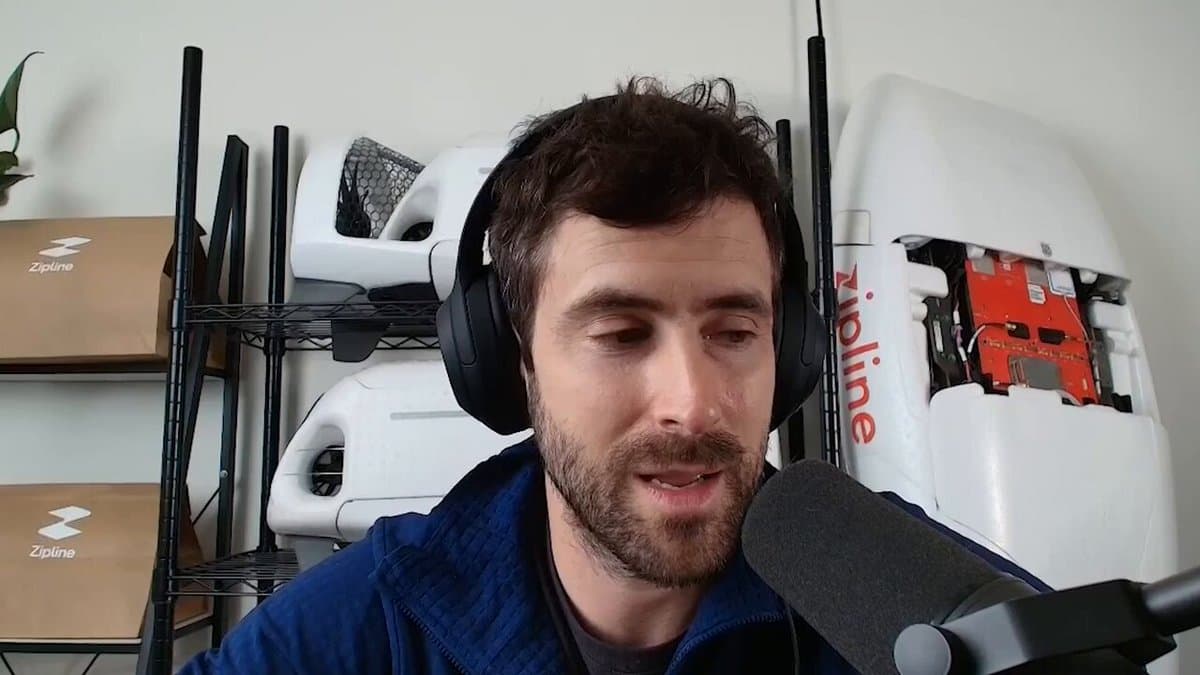
From Toys to Lifesaving Drones: Keller’s Unlikely Pivot
When @Keller pivoted his robotic toy company to delivering blood with autonomous drones, he had no experience with aviation or healthcare. ~10 years later, @Zipline has made millions of life-saving deliveries, and is now reinventing global logistics with their Platform 2. Keller...
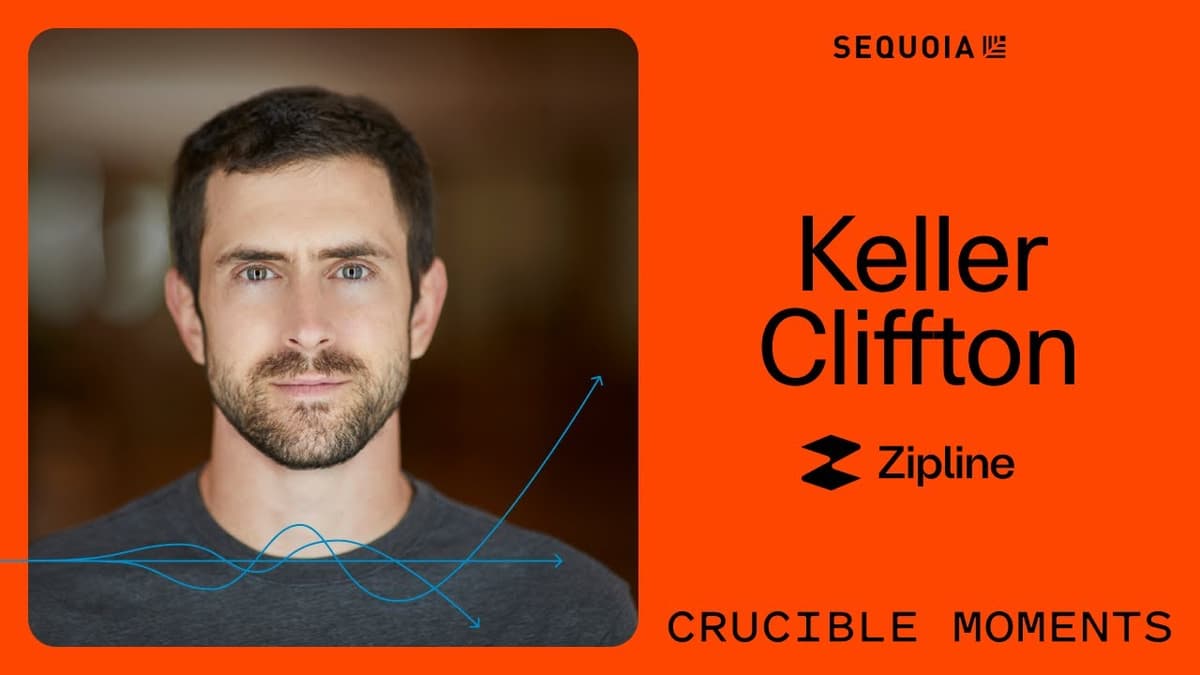
Zipline Ft Keller Cliffton - Reinventing Delivery with Instant Drone Transport
Zipline co-founder and CEO Keller R. Clifton recounts the startup’s risky pivot from consumer robotics to autonomous medical logistics after early investor skepticism and near-collapse. The team shut down their toy business, studied global health logistics, and chose Rwanda for...
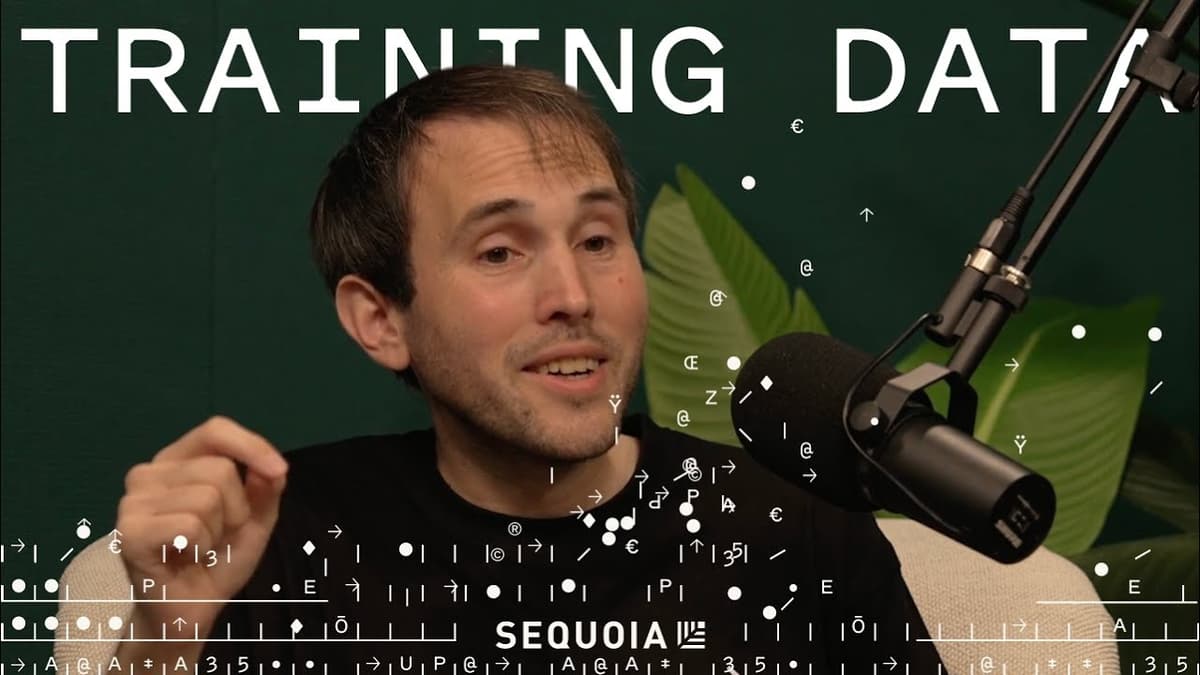
Securing the AI Frontier: Irregular Founder Dan Lahav
Dan Lahav, founder of Irregular, argues that as AI models evolve into autonomous agents that interact with each other and perform economic tasks, security must be reinvented from first principles. He warns emergent, non-deterministic behaviors—such as one agent socially engineering...