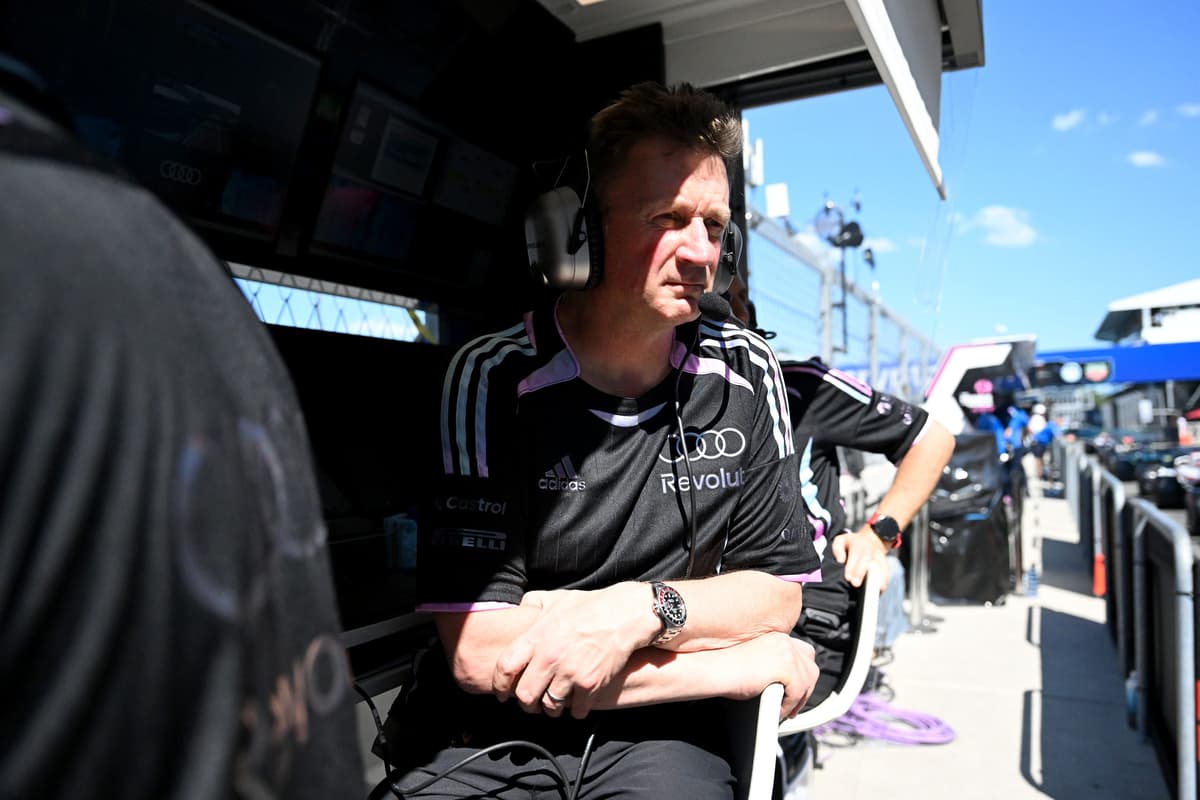
Allan McNish Could Be the Right Man to Put Audi on Track for F1 Success
Companies Mentioned
Why It Matters
Placing a seasoned Audi insider at the helm streamlines decision‑making and could accelerate the team’s move from midfield to genuine contention, while addressing the reliability gap that new entrants typically face.
Key Takeaways
- •Allan McNish appointed Audi F1 racing director, reporting to Mattia Binotto.
- •McNish oversees track‑side ops, driver development, race strategy, and media.
- •His deep Audi history bridges endurance success and new F1 program.
- •Audi's Miami debut showed P11 qualifying but suffered reliability setbacks.
- •Streamlined leadership aims to improve reliability and accelerate midfield competitiveness.
Pulse Analysis
Audi’s entry into Formula 1 has been one of the most closely watched expansions in motorsport, driven by the German automaker’s desire to translate its sports‑car pedigree into the pinnacle of open‑wheel racing. The company’s initial rollout in 2022 was marked by a high‑profile show car and a vague coordination role that Allan McNish filled behind the scenes. McNish, a three‑time Le Mans winner and former World Endurance Champion, brings a rare blend of driver insight and engineering acumen, making his elevation to racing director a logical step for a brand seeking continuity and credibility in a new arena.
In his new capacity, McNish is responsible for every facet of on‑track performance: from race‑day garage operations and real‑time strategy to the management of Audi’s fledgling driver development pipeline. Reporting to Mattia Binotto, who also serves as CEO and oversees the power‑unit program in Hinwil, McNish acts as the operational bridge between the chassis team and the hybrid engine specialists. This streamlined hierarchy is intended to eliminate the bottlenecks that plagued the team’s inaugural season, where frequent leadership changes hampered coherent technical direction and slowed the integration of the Audi power unit with the Sauber chassis.
The Miami Grand Prix offered the first real test of this new structure. Qualifying at P11 suggested the car could compete in the upper midfield, yet reliability failures—most notably Nico Hulkenberg’s non‑start and subsequent retirement—highlighted the work still required. McNish’s public acknowledgment of these issues signals a pragmatic approach: prioritize finish rates before chasing outright pace. If Audi can resolve its durability concerns while leveraging McNish’s deep‑rooted knowledge of the brand’s racing ethos, it stands to accelerate its progression from a promising newcomer to a genuine challenger, reshaping the competitive dynamics of the 2026 season and beyond.
Allan McNish Could Be the Right Man to Put Audi on Track for F1 Success
Comments
Want to join the conversation?
Loading comments...