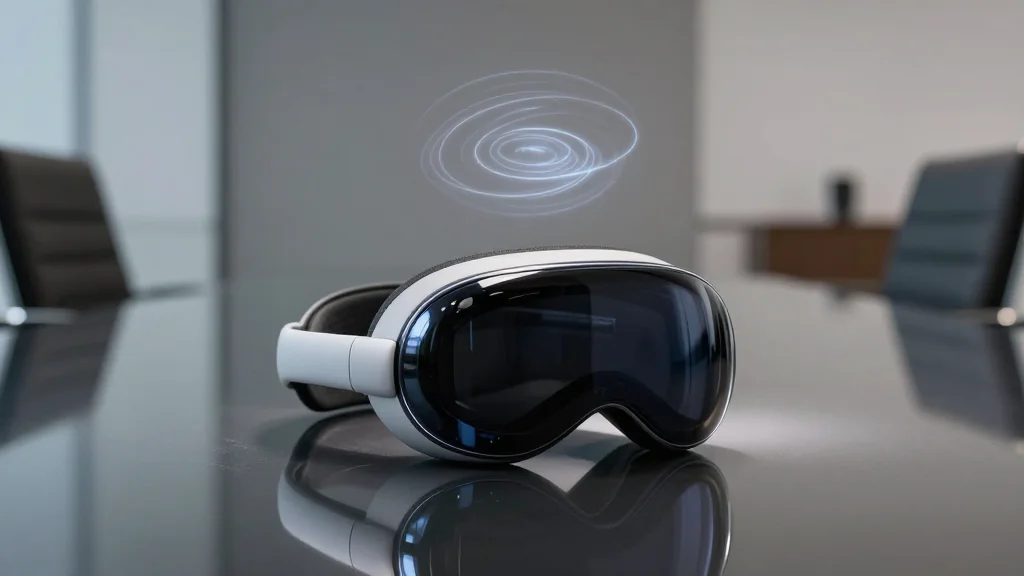
Apple Leaders Admit AI Lag, Hold Emergency Meetings to Rescue Siri

Companies Mentioned



Why It Matters
Apple’s admission of an AI lag is a watershed moment for the broader technology sector because it challenges the perception that the company can always set the pace of innovation. The leadership scramble highlights how critical generative AI has become to product differentiation, user engagement, and future revenue streams. If Apple fails to catch up, it risks ceding market share in smartphones, wearables, and services to rivals that have already integrated advanced conversational agents. The episode also offers a case study in corporate governance: fragmented decision‑making and unclear ownership can cripple even the most resource‑rich firms. Apple’s pivot to a more centralized AI strategy, with a high‑profile leader like Mike Rockwell at the helm, may become a template for other legacy tech companies grappling with rapid AI evolution.
Key Takeaways
- •Apple senior leaders held emergency‑level meetings in early 2025 to address AI shortcomings.
- •Mike Rockwell, former Vision Pro head, was recruited to overhaul Siri and Apple Intelligence.
- •Tim Cook shifted from a delegating role to direct involvement in AI strategy.
- •Apple Intelligence 1.0 was labeled a "black mark" on Cook’s resume by Bloomberg.
- •Hardware projects dependent on AI have been delayed pending AI capability improvements.
Pulse Analysis
Apple’s AI misstep underscores a broader industry truth: generative AI is no longer an optional add‑on but a foundational technology that underpins product ecosystems. Historically, Apple’s advantage lay in tightly integrated hardware‑software experiences and a privacy‑first ethos. Those strengths, however, do not automatically translate into cutting‑edge AI models, which require massive data, compute investment, and rapid iteration—areas where Google, Microsoft and OpenAI have poured billions.
The leadership reshuffle signals a strategic realignment. By installing Mike Rockwell, a proven product leader, Apple is betting on disciplined execution rather than speculative research. Rockwell’s track record with Vision Pro suggests he can navigate the complex trade‑offs between hardware timelines and software readiness, a critical capability given the reported delays in AI‑dependent devices. Tim Cook’s heightened involvement also hints at a cultural shift: AI is moving from a peripheral lab project to a board‑room priority, likely accelerating budget allocations and talent recruitment.
Looking forward, Apple’s success will hinge on its ability to integrate generative AI without compromising its core brand values of privacy and seamless user experience. If it can deliver a Siri that feels both powerful and secure, Apple could re‑establish its reputation as an innovator. Conversely, a half‑baked rollout could erode consumer trust and accelerate migration to competitor ecosystems. The next 12‑18 months will be a litmus test for whether Apple’s leadership overhaul can translate into a competitive AI offering that aligns with its premium market positioning.
Apple Leaders Admit AI Lag, Hold Emergency Meetings to Rescue Siri
Comments
Want to join the conversation?
Loading comments...