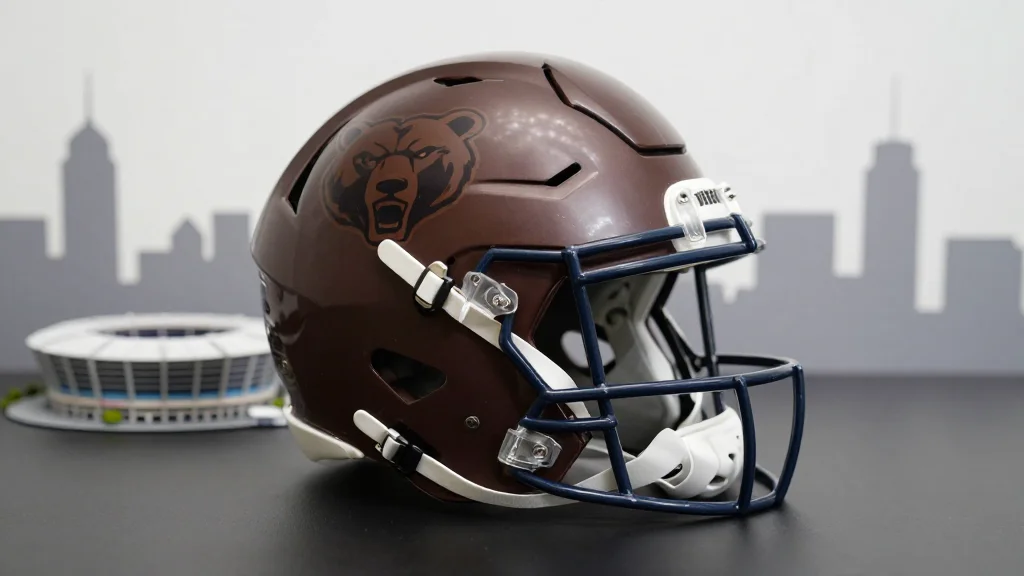
Bears Board Commits $2 Billion to Hammond Stadium, Shifting Franchise Home

Companies Mentioned
Why It Matters
The Bears’ stadium decision underscores how franchise leadership must balance fan loyalty, public financing, and political risk. By opting for Indiana’s tax‑backed model, the ownership group signals a willingness to relocate when state support falters, a move that could prompt other teams to reassess their own stadium negotiations. Beyond the Bears, the deal highlights the growing power of sub‑state entities—like the Northwest Indiana Stadium Authority—to shape major sports projects. The outcome will affect regional tax bases, job creation, and the political capital of Illinois officials who have struggled to align legislative action with the team’s timeline.
Key Takeaways
- •Bears board votes to advance a $2 billion stadium project in Hammond, Indiana.
- •Indiana created a stadium authority funded by hotel, restaurant and toll taxes.
- •Illinois failed to pass a property‑tax‑certainty bill, leaving the Bears without a financing path.
- •Former president Ted Phillips’ $197.2 million land purchase is cited as a costly misstep.
- •The move could make the Bears the fourth NFL team to play home games outside its home state.
Pulse Analysis
The Bears’ leadership choice reflects a broader shift in professional sports toward leveraging state‑level incentives rather than relying on municipal goodwill. Historically, teams have courted city councils for stadium subsidies; the Hammond deal shows a franchise can bypass a reluctant city by appealing directly to a state willing to underwrite debt with dedicated tax streams. This model reduces the political friction that often stalls projects, but it also raises questions about the long‑term fiscal impact on Indiana taxpayers, who will shoulder bond repayments for decades.
From a governance perspective, the board’s decisive vote illustrates the growing influence of CEOs like Kevin Warren, whose NFL experience and private‑sector background enable rapid strategic pivots. The move also puts the McCaskey family’s stewardship under scrutiny: while they preserve ownership of stadium revenue, they risk alienating a century‑old fan base. If the NFL grants approval, the Bears could set a precedent for other franchises—especially those in markets with stagnant public funding—to pursue out‑of‑state solutions, potentially reshaping the geography of league economics.
Looking ahead, the critical variables will be site selection, the final financing structure, and the league’s response to a cross‑state home field. The Bears’ leadership must now manage community backlash, negotiate construction contracts, and ensure that the promised economic benefits materialize for Hammond. Success could validate the board’s gamble; failure would reinforce the argument that public‑private partnerships require more than tax incentives to deliver sustainable value.
Bears Board Commits $2 Billion to Hammond Stadium, Shifting Franchise Home
Comments
Want to join the conversation?
Loading comments...