Sam Altman Says Coding Models Drive $45‑$50 B Compute Bet on OpenAI’s Michigan Data Center

Companies Mentioned

Why It Matters
The interview reveals how OpenAI’s leadership is translating technical breakthroughs into concrete capital projects, signaling a shift from cloud‑based partnerships to owned compute assets. By tying a $45‑$50 billion investment to the performance of coding models, Altman is betting that enterprise productivity gains will lock in long‑term revenue streams, reshaping the economics of AI development. The scale of the Saline data center also raises competitive pressures for rivals such as Microsoft, Google, and Amazon, who must decide whether to match OpenAI’s vertical integration or double down on platform services. Moreover, Altman’s acknowledgment of public anxiety underscores the growing expectation that AI CEOs will address ethical and societal implications alongside growth targets. How OpenAI balances massive infrastructure spending with responsible AI deployment will likely influence policy discussions and investor sentiment across the broader AI leadership landscape.
Key Takeaways
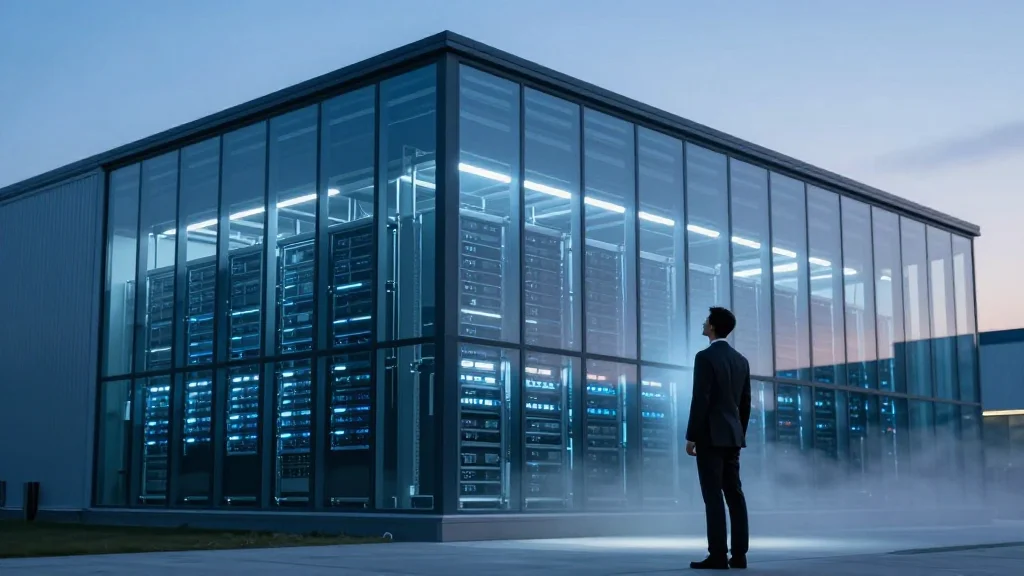
- •OpenAI commits $45‑$50 billion to a one‑gigawatt data center in Saline, Michigan.
- •Coding models identified as the primary driver of compute demand.
- •Site development costs $16 billion; Oracle and partners contribute at least $30 billion.
- •Altman expresses strong confidence in revenue and return prospects.
- •Data center expected to be operational by early 2028, shaping AI infrastructure competition.
Pulse Analysis
Altman's interview marks a rare moment where an AI CEO publicly quantifies the capital intensity of scaling large language models. Historically, AI firms have relied on external cloud providers to absorb compute costs, but OpenAI’s move toward owning a gigawatt‑scale facility signals a strategic pivot toward asset ownership. This mirrors the early 2010s shift in the semiconductor industry, where firms like Intel built fabs to control supply chains and margins. By internalizing compute, OpenAI can potentially lower per‑token costs, improve latency, and secure proprietary hardware configurations that give it a competitive edge.
The emphasis on coding models reflects a market segmentation trend: while generative text and image models capture headlines, the enterprise value is increasingly found in productivity‑boosting tools. Companies that embed OpenAI’s code assistants into development pipelines report up to 30% faster release cycles, a metric that can translate into tangible cost savings. Altman's confidence suggests that OpenAI expects these efficiencies to drive multi‑year contracts, creating a predictable revenue base that justifies the massive upfront spend.
However, the $45‑$50 billion outlay also amplifies risk. If demand for high‑compute services plateaus or regulatory constraints tighten, OpenAI could face under‑utilized assets, similar to the over‑capacity challenges seen in the data‑center market during the 2020‑2021 boom. The leadership challenge will be to balance aggressive scaling with transparent governance, especially as public scrutiny over AI safety intensifies. Altman's acknowledgment of societal anxiety hints that OpenAI may need to pair its infrastructure push with robust safety frameworks to maintain stakeholder trust and avoid backlash that could stall adoption.
Sam Altman Says Coding Models Drive $45‑$50 B Compute Bet on OpenAI’s Michigan Data Center
Comments
Want to join the conversation?
Loading comments...