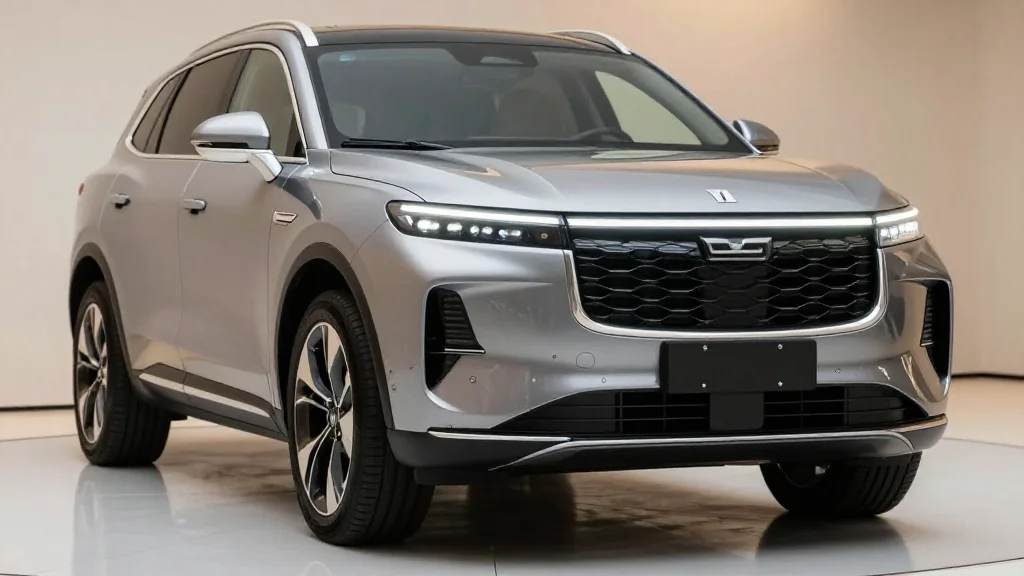
Stellantis Unveils $70 Billion FastLane 2030 Plan to Revive Four Core Brands

Companies Mentioned
Why It Matters
Stellantis' FastLane 2030 plan is a litmus test for how legacy automakers can reinvent themselves amid a rapid shift toward electrification and changing consumer preferences. By committing nearly $70 billion to a focused brand hierarchy, the company is betting that scale, targeted investment and a clear North‑American growth agenda can restore profitability and stem a two‑year share price decline of more than 75%. The outcome will influence how other multi‑brand groups allocate capital, manage brand portfolios and balance short‑term investor expectations with long‑term transformation goals. Moreover, the plan's emphasis on affordable EVs and high‑volume production in the United States could accelerate the broader industry's transition to electric mobility, especially if Stellantis meets its target of launching 29 battery‑electric models by 2030. Competitors will be forced to reassess their own investment strategies and regional footprints, potentially reshaping supply chains, dealer networks and labor markets across the globe.
Key Takeaways
- •Stellantis commits €60 bn ($69.7 bn) to FastLane 2030, focusing on Jeep, Ram, Fiat and Peugeot.
- •Plan includes 60 new vehicle launches, 50 major refreshes and 29 battery‑electric models by 2030.
- •North American sales target rises to 1.9 million units by 2030, a 35% volume increase.
- •European production capacity to be cut by 800,000 units; U.S. capacity to reach 80% utilisation.
- •Shares fell 5.6% to $7.10 after announcement, reflecting investor skepticism.
Pulse Analysis
Stellantis' $70 billion FastLane 2030 initiative is a high‑stakes gamble that hinges on disciplined execution and market acceptance of a dual‑track product strategy. Historically, the group has struggled to extract synergies from its sprawling brand portfolio; the new hierarchy attempts to rectify that by concentrating R&D spend on four global brands while relegating the rest to regional status. This mirrors a broader industry trend where scale is leveraged to fund electrification, yet the risk lies in diluting brand equity if regional marques receive insufficient support.
The capital allocation also underscores a strategic pivot toward the United States, where Stellantis hopes to capture a larger slice of the growing EV market while maintaining a strong ICE presence. The $388 million Detroit megahub is both a symbolic and practical move, signaling a long‑term commitment to U.S. manufacturing jobs—a narrative that could appease labor groups and regulators. However, the share price dip suggests that investors remain wary of the pace and scope of the transformation, especially given the lingering profitability challenges of brands like Chrysler and Dodge.
Looking ahead, the success of FastLane 2030 will be measured not just by headline sales figures but by the ability to deliver on pricing promises for sub‑$40,000 EVs, achieve the targeted capacity utilisation, and sustain margin expansion amid rising raw‑material costs. If Stellantis can navigate these hurdles, it may set a template for other legacy OEMs wrestling with similar brand‑portfolio dilemmas. Conversely, a faltering rollout could accelerate calls for divestitures or deeper restructuring, reshaping the competitive landscape for years to come.
Stellantis Unveils $70 Billion FastLane 2030 Plan to Revive Four Core Brands
Comments
Want to join the conversation?
Loading comments...