The “Safety Myth” That Almost Destroyed Half of Japan — And What It Has to Do With Your Organization
Key Takeaways
- •TEPCO ignored a 15‑meter tsunami warning days before disaster
- •Safety myth silenced engineers, fostering dangerous complacency
- •Onagawa survived thanks to a higher seawall and empowered staff
- •Monopoly protection and regulatory capture amplified TEPCO’s risk‑aversion
- •Psychological safety drives reporting and prevents catastrophic failures
Pulse Analysis
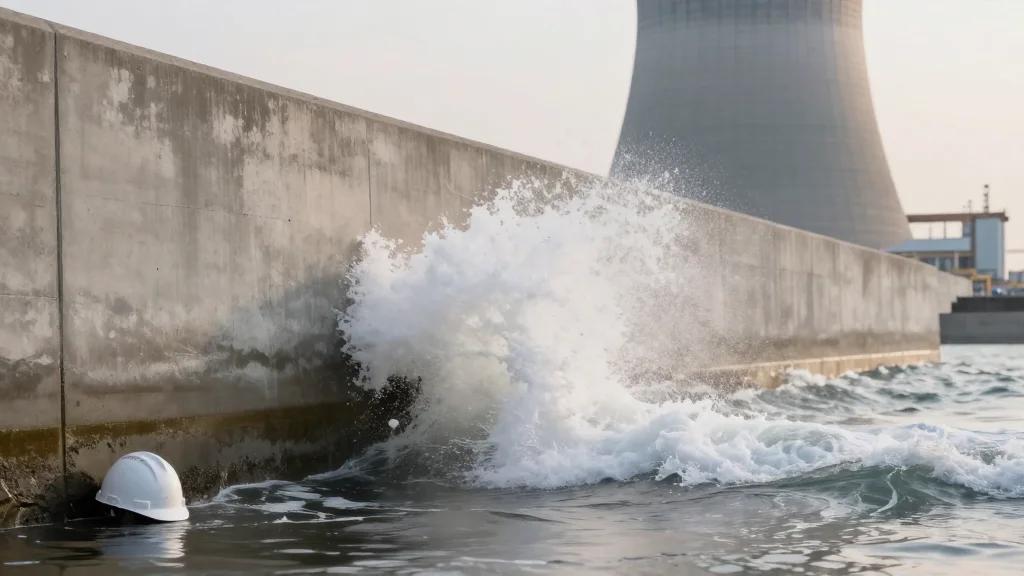
The Fukushima disaster is often cited as a technical failure, yet the underlying cause was cultural. TEPCO received credible forecasts of a 15‑meter tsunami as early as 2000, but a corporate orthodoxy that equated "safety" with meeting minimum regulatory requirements led executives to bury the data. This "safety myth" created a psychological‑safety vacuum where engineers feared career repercussions for raising alarms. The result was a preventable cascade of missed safeguards, from low‑lying diesel generators to inadequate flood barriers, that turned a rare natural event into a nuclear catastrophe.
That same dynamic repeats across high‑stakes industries. NASA’s Challenger and Columbia tragedies, BP’s Deepwater Horizon blowout, and recent healthcare near‑miss scandals all share a pattern: low‑probability, high‑impact risks are down‑played when organizational norms punish dissent. Companies that foster open dialogue—like Toyota with its Andon cord or Virginia Mason Medical Center’s patient‑safety alerts—see a surge in incident reports that paradoxically leads to fewer serious events. The contrast between TEPCO and the nearby Onagawa plant, which survived due to a higher seawall championed by a single engineer, underscores how empowering technical expertise can shift outcomes dramatically.
For leaders, the takeaway is clear: safety cannot be a slogan on a wall. It requires concrete systems that protect whistle‑blowers, align incentives so decision‑makers bear the consequences of failure, and ensure regulators have teeth. Building a culture of psychological safety, investing in redundant protective infrastructure, and treating weak signals as actionable warnings are essential steps. Organizations that embed these practices not only reduce the likelihood of catastrophic loss but also gain a competitive edge through resilient operations and stakeholder trust.
The “Safety Myth” That Almost Destroyed Half of Japan — And What It Has to Do With Your Organization
Comments
Want to join the conversation?