C X O
In this Working Genius podcast episode, Patrick Lencioni and co‑host Cody Thompson introduce the CXO concept – a fresh look at executive roles through the lens of the six‑type Working Genius model. They argue that traditional titles like CEO or COO mask the diverse ways leaders can excel, and that true effectiveness stems from self‑awareness of one’s own genius and the genius of teammates. The conversation highlights several core insights: there is no single “best” genius for leadership; success depends on understanding and leveraging one’s own strengths while deliberately filling gaps with complementary talent. Hiring decisions should prioritize Working Genius fit over conventional experience, and internal structures should allocate tasks based on passion, skill, and capability rather than rigid titles. Memorable moments include the tongue‑in‑cheek claim that the ideal leader type is “SA” – self‑awareness – and the analogy that a marriage works like a household CEO/COO partnership, each playing to their genius. The hosts also stress that “divide and conquer” belongs to task distribution, not to fragmenting the organization into silos. For businesses, the takeaway is clear: redesign roles around Working Genius, de‑emphasize generic titles internally, and use the model to build teams that share collective accountability. This approach promises higher engagement, better alignment, and ultimately stronger results across companies of any size.
Eric Ries: Why Good Tech Companies Go Bad, and How to Stop It #trailer
Eric Ries, creator of Lean Startup, introduces his new book *The Immutable*, which examines why mission‑driven tech firms often devolve into corrupt, investor‑controlled entities. Ries argues that a force he calls ‘financial gravity’—the relentless pressure to prioritize growth and financial returns—gradually...
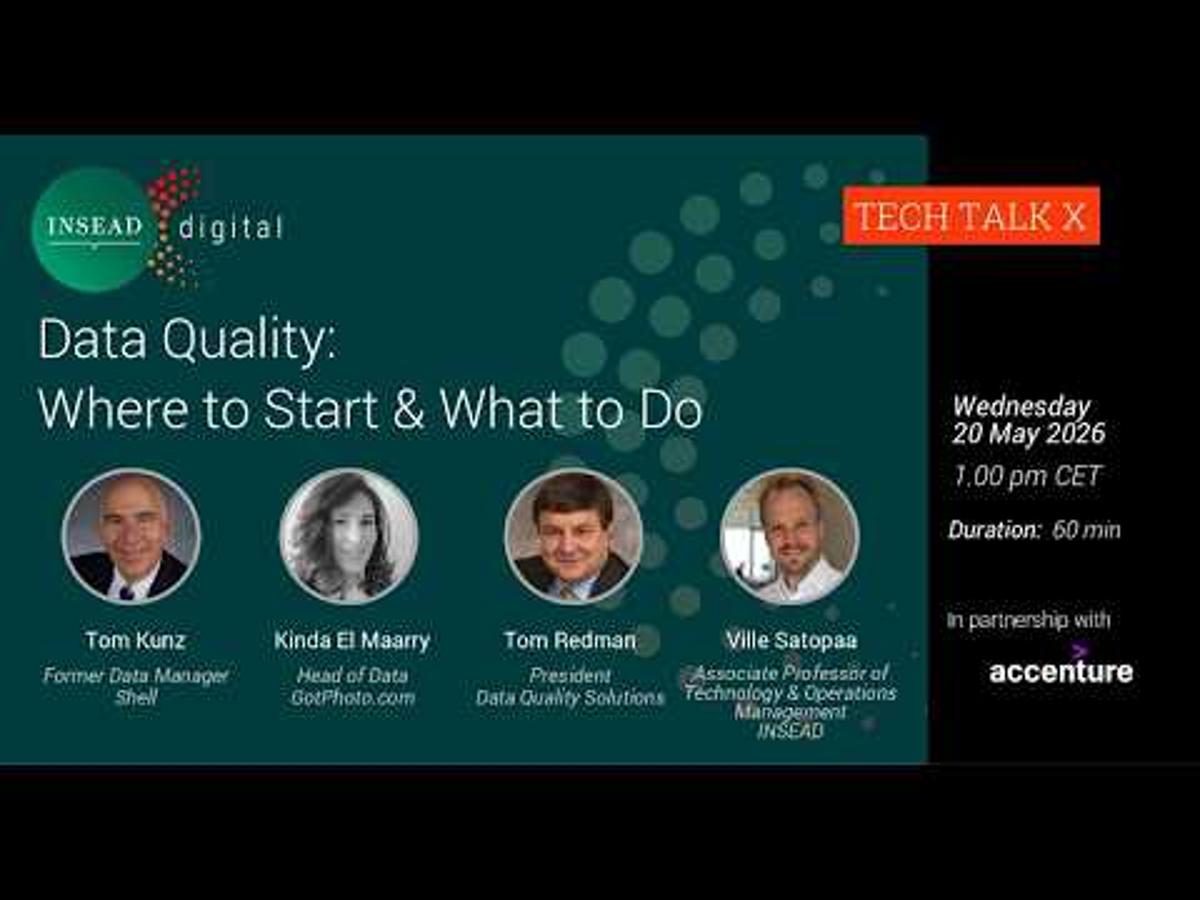
Data Quality: Where to Start & What to Do | Ville Satopää, Tom Redman, Tom Kunz & Kinda El Maarry
The webinar, hosted by NSEAD professor Ville Satopää, centered on why data quality is the linchpin of any successful AI initiative. Panelists—including former Shell data manager Tom Kunz, data‑governance leader Kinda El Maarry, and data‑quality champion Tom Redman—explored how AI systems inherit the strengths...

AI Makes My Job Miserable. How Do I Escape?
Cal Newport warns that large‑language‑model tools are turning ordinary work into a relentless cycle of pseudo‑productivity, making jobs feel miserable rather than eliminating them. He outlines five concrete strategies—ranging from deliberate task batching to digital minimalism—to escape what he calls...
Prioritising a Product Backlog When Everything Is Equally Important
Product management expert Roman Pisla outlines a four-step method to prioritize a product backlog when everything seems urgent. Start by defining who the product serves and its core value through a clear product strategy, then set a specific three-month product...
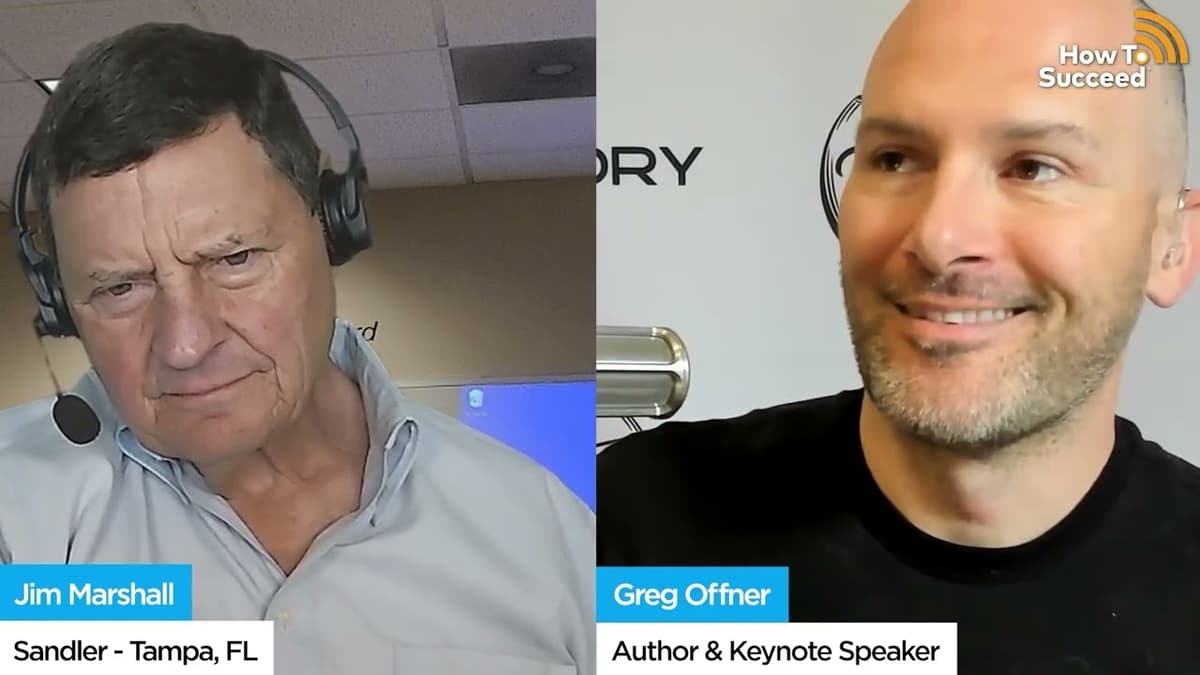
How to Succeed at Creating an Encore Experience with Your Team
The podcast explores the concept of an "encore experience"—a daily, repeatable moment that makes employees eager to return to work. Host Jim Marshall and keynote speaker Greg Offner argue that true performance problems stem from a lack of meaningful experience,...
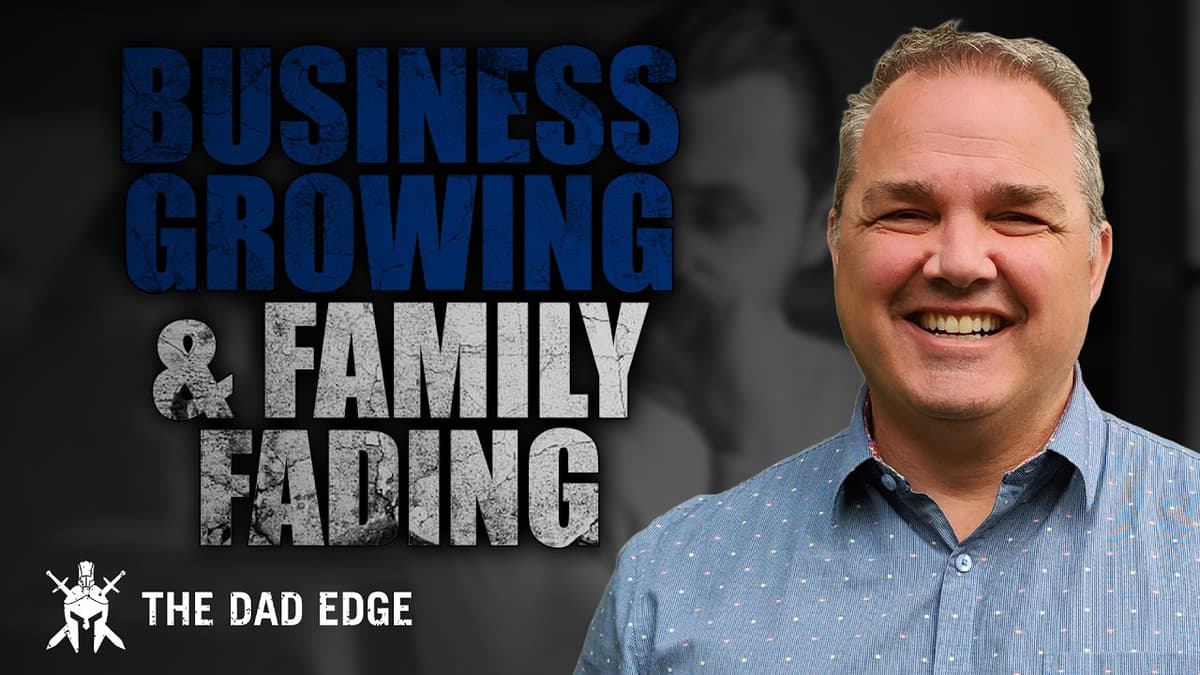
The Real Cost of Building a Business That Runs Your Life Featuring Dominic Rubino
Larry Hagner (Dominic Rubino referenced) recounted walking away from a highly successful franchise business after a chilling moment at the dinner table with his nine-year-old son made him confront the personal cost of constant travel and work. Hagner and a...

John McMahon on Building a Better SKO
On Revenue Builders, John McMahon advised that the primary goals of a sales kickoff (SKO) are to motivate the salesforce, align them with company goals and strategy, and deliver intensive training on skills and product knowledge. He emphasized the underappreciated...
Beforepay IPO: From Peak Hype to Profitability & Risk Focus
Beforepay completed its IPO in January 2022 after its CEO joined in May 2021 to lead the listing and scale the business. The company hit peak market enthusiasm at listing but faced a sharp downturn by June 2022, prompting a...
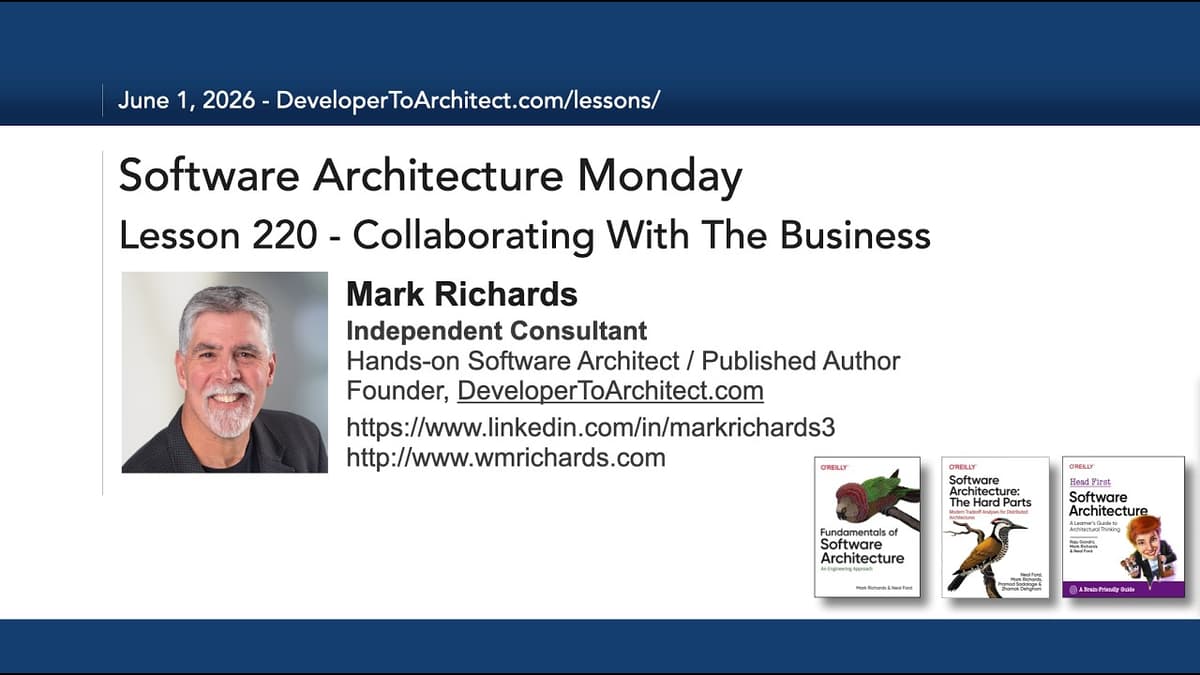
Lesson 220 - Collaborating With The Business
In Lesson 220, Mark Richards advises software architects to collaborate closely with business stakeholders to break the cycle of late-stage, costly system changes. Architects should act as translators and negotiators, explaining technical tradeoffs and prioritizing features so business leaders can...
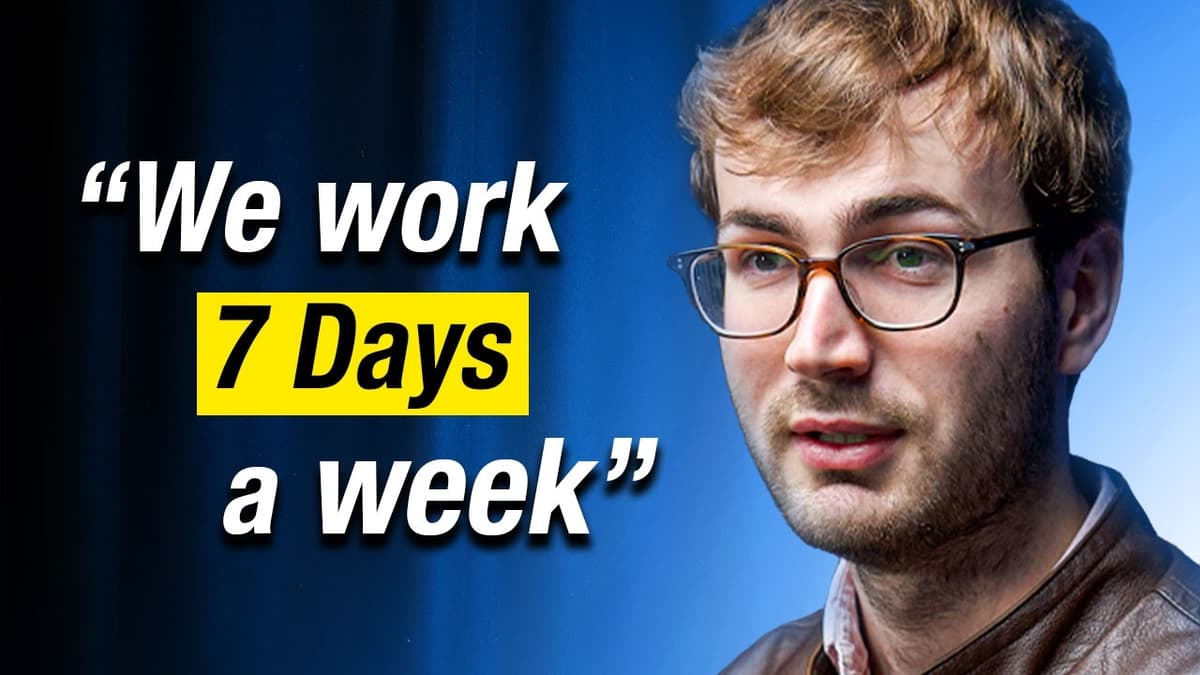
The Most Intense Workplace Culture in America | The Journey From $0 to $2.6BN Valuation
The interview spotlights Corgi Insurance, a fast‑growing startup now valued at $2.5 billion, and its founder‑CEO Nico’s unapologetically extreme workplace philosophy. The company rejects conventional weekends, expects employees to be on‑site seven days a week, and even runs weekend work‑trial interviews...
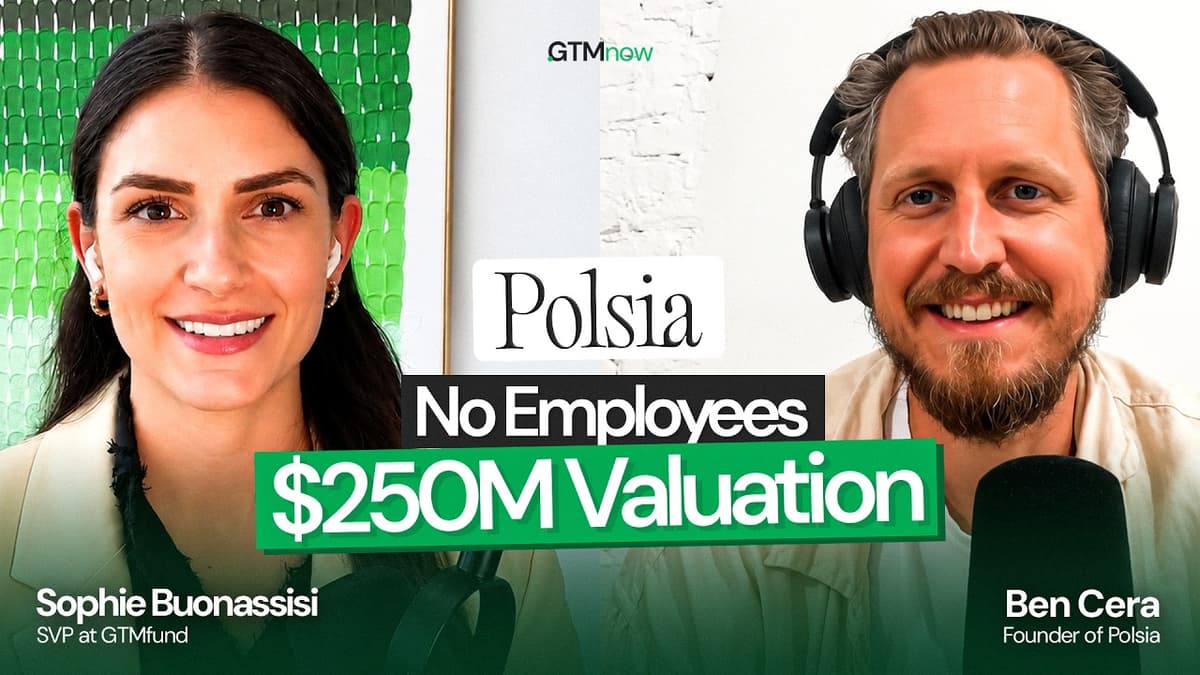
Inside the $250M Company Run Entirely by AI Agents | Ben Cera, Polsia
Pulsia, founded by Ben Cera, announced a $30 million Series A at a $250 million valuation. The startup markets an AI‑driven operating system that can launch and run a company from idea to revenue with virtually no human staff. The platform stitches together large‑language‑model...
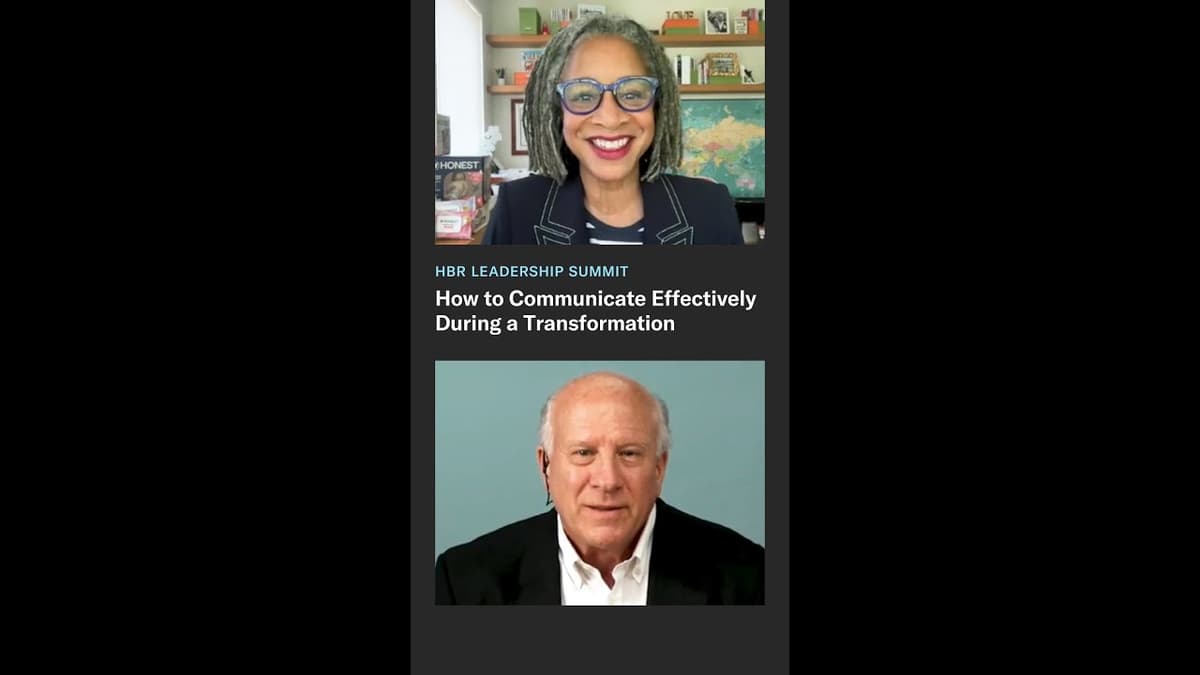
How to Communicate Effectively During a Transformation
The video addresses how leaders can measure and communicate progress during major organizational transformations to keep investors engaged and patient. The speaker emphasizes repetition of core messages, a single‑page manifesto displayed at every meeting, quarterly town‑hall updates, and the use of...
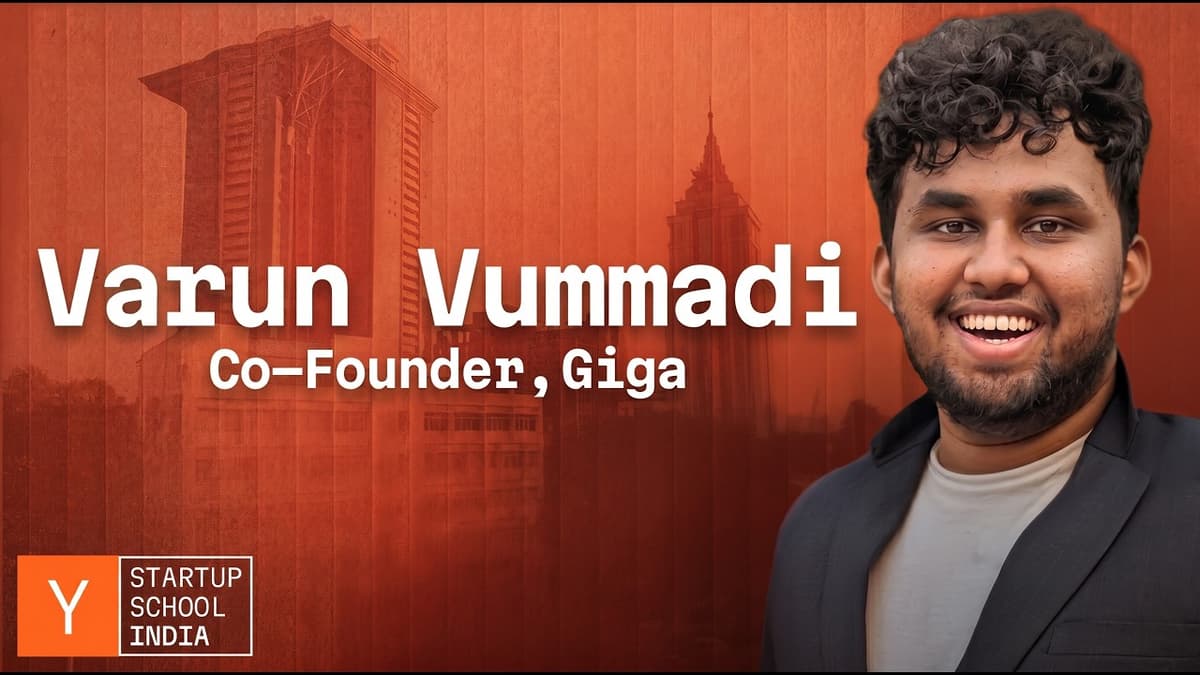
Why Two IIT Engineers Turned Down $550K Jobs To Build A Startup
The video recounts how two IIT‑trained engineers turned down a combined $550,000 salary package to found GigaML, a startup building AI‑driven customer‑support agents. After a surprising Y Combinator interview where partner HJ dismissed their ed‑tech idea, the founders pivoted to fine‑tuning...

InformationWeek Podcast: CIOs on Advocating for Uncertain Tech Bets
On the InformationWeek podcast, CIOs and CISOs discussed how to win executive buy-in for tech bets with uncertain ROI, centering on AI and related developer/security tools. Richard Mackey described deploying agentic AI in contact centers to improve chronic-care patient experience...