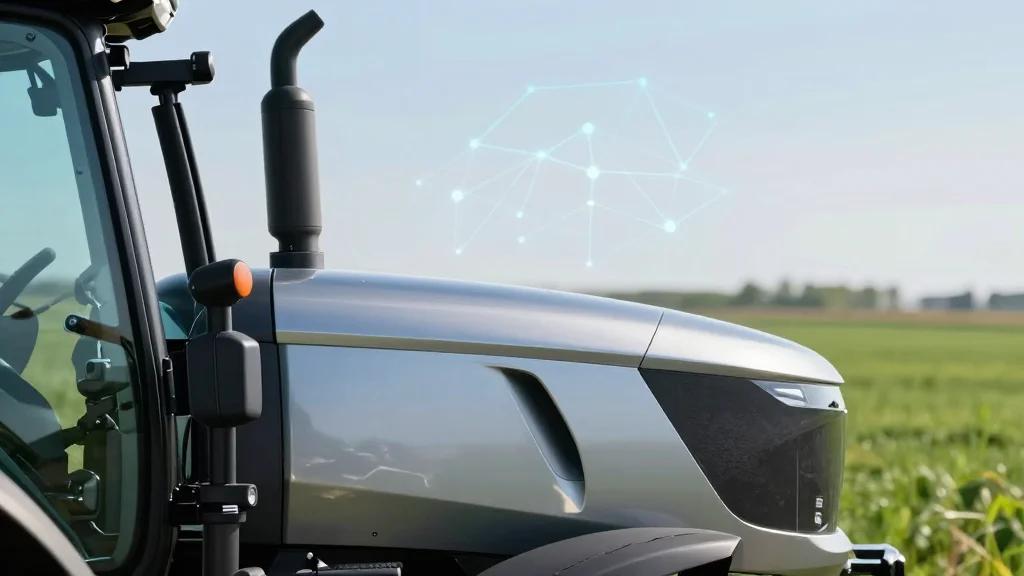
Daedong Group Sets $2.6 Billion AI‑Agriculture Target in 2030 Value‑Up Plan

Why It Matters
Daedong's pivot to AI‑driven farm equipment and platform services reflects a broader trend of traditional manufacturers embracing digital transformation to unlock recurring revenue streams. By integrating hardware with software‑based services, the group aims to smooth earnings volatility inherent in agricultural cycles and capture higher margins associated with subscription models. The plan also signals South Korea's ambition to export advanced agri‑tech solutions, challenging incumbents in the United States, Europe and China. If successful, Daedong's model could serve as a template for other legacy industrial groups seeking to reinvent themselves amid rapid AI adoption. The emphasis on high‑value casting for semiconductors and defense further aligns the conglomerate with national strategic priorities, potentially attracting government support and deepening its role in Korea's high‑tech supply chain.
Key Takeaways
- •Daedong targets 3.59 trillion won ($2.6 billion) in sales and 20% ROE by 2030.
- •New‑business revenue share to reach 25.9% of total sales.
- •Dealer network to exceed 1,700 locations in North America and Europe by 2030.
- •Daedong Gear aims for 1 trillion won ($730 million) sales in EV parts and robotics.
- •Dividend payout ratio to rise to about 20% by 2030.
Pulse Analysis
Daedong's 2030 value‑up plan is a textbook case of industrial digitization, where the convergence of AI, robotics and platform economics is used to re‑engineer a legacy business model. The move mirrors strategies employed by global peers such as John Deere, which has invested heavily in precision agriculture and data services. However, Daedong's aggressive dealer‑network expansion and its explicit focus on subscription revenue differentiate it from competitors that remain more equipment‑centric. By embedding AI at the hardware level and pairing it with a service layer, Daedong can capture data‑driven insights, upsell analytics, and lock customers into longer‑term contracts, thereby improving cash flow stability.
The diversification into EV components and high‑value casting also mitigates sector‑specific risk. South Korea's push for semiconductor self‑sufficiency and defense modernization creates a domestic demand tailwind that Daedong Metals can exploit. This cross‑industry synergy could accelerate the group's margin expansion, especially if the casting business achieves economies of scale and secures long‑term supply contracts with chipmakers and defense firms.
Investors should monitor three risk vectors: the speed of AI integration into rugged farm equipment, the adoption rate of subscription services among traditionally equipment‑focused farmers, and the competitive response from global agri‑tech giants. Early performance indicators—dealer roll‑out milestones, pilot program results, and the first tranche of platform revenue—will be critical in assessing whether Daedong can translate its strategic vision into sustainable financial upside.
Daedong Group Sets $2.6 Billion AI‑Agriculture Target in 2030 Value‑Up Plan
Comments
Want to join the conversation?
Loading comments...