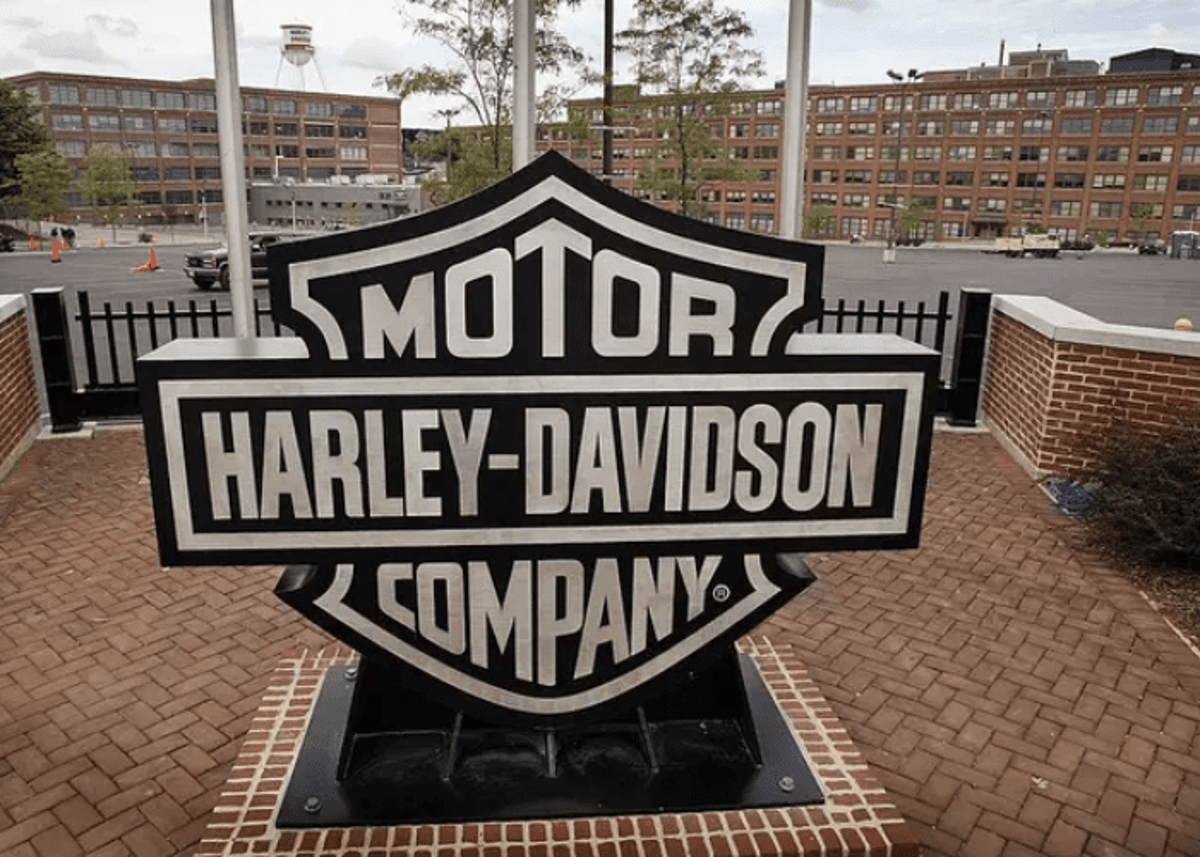
Harley-Davidson Cuts Costs Amid Losses, Signals Strategic Shift Ahead
Why It Matters
The measures are essential for Harley to reverse its loss trajectory and stabilize cash flow. Targeting younger riders could rejuvenate the brand and expand its market share.
Key Takeaways
- •Harley-Davidson aims to cut $150 million in costs via layoffs
- •Operating loss reported for 2025 alongside double‑digit global sales decline
- •New roadmap in May 2026 to target younger, entry‑level riders
- •Tariff pressures expected to raise costs further this year
- •Shift may move focus from premium touring to broader performance segment
Pulse Analysis
Harley-Davidson’s latest financial disclosures underscore a turning point for the iconic brand. An operating loss for 2025, coupled with a double‑digit decline in worldwide sales, reflects broader headwinds that include rising tariffs and a consumer shift toward more affordable, often electric, two‑wheelers. Competitors such as Indian Motorcycle and emerging electric manufacturers have been siphoning market share, pressuring legacy makers to reassess pricing, product mix, and geographic exposure.
In response, Harley has launched a sweeping restructuring that began in early April. The layoff program, spanning factory floors and corporate offices across its global footprint, is projected to save roughly $150 million annually. By trimming excess capacity, the company hopes to improve operating margins and free cash flow, though the reduction in workforce also raises concerns about morale and the ability to meet existing production commitments. Analysts note that the success of these cuts will hinge on how quickly the firm can align its supply chain with the softened demand curve.
Looking ahead, Harley’s May 2026 strategic roadmap is poised to redefine its product philosophy. The plan reportedly emphasizes entry‑level, lower‑priced motorcycles designed to attract younger riders—a demographic that has traditionally shied away from the brand’s premium touring models. Maintaining a foothold in the performance and racing segments will preserve brand heritage while the new models could broaden market appeal and open pathways to future electrification. Investors are watching closely, as a successful pivot could revitalize revenue streams and restore confidence in Harley’s long‑term viability.
Harley-Davidson cuts costs amid losses, signals strategic shift ahead
Comments
Want to join the conversation?
Loading comments...